
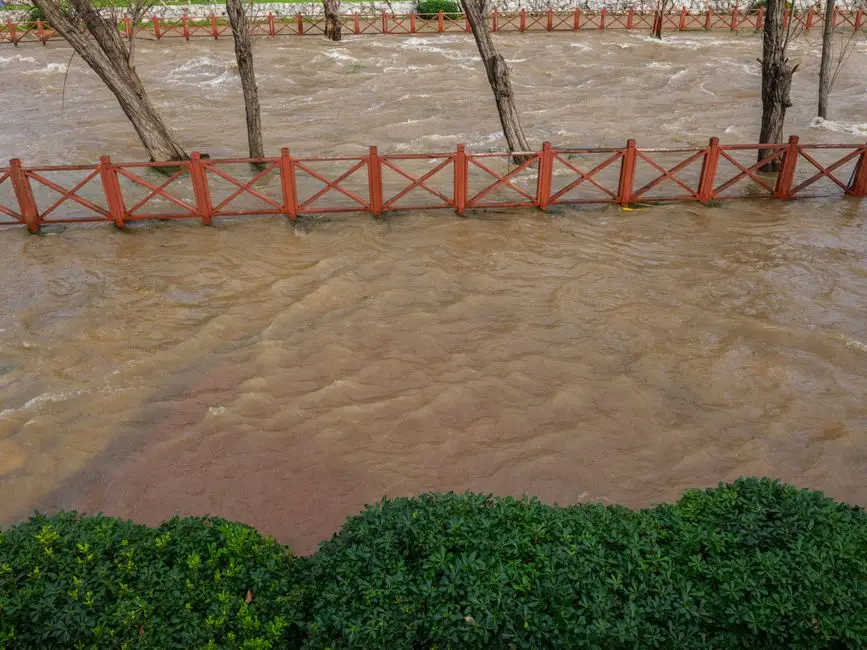
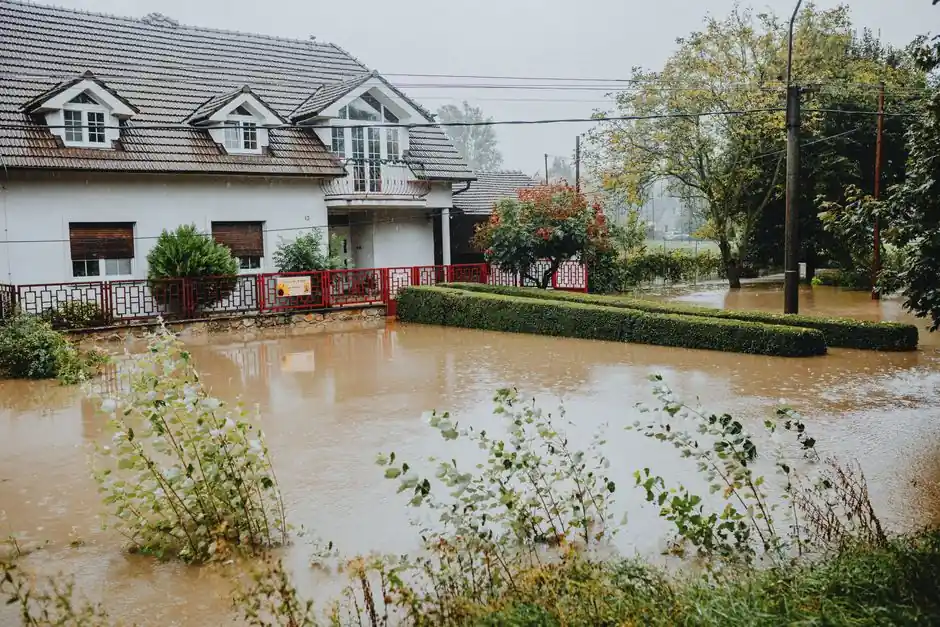
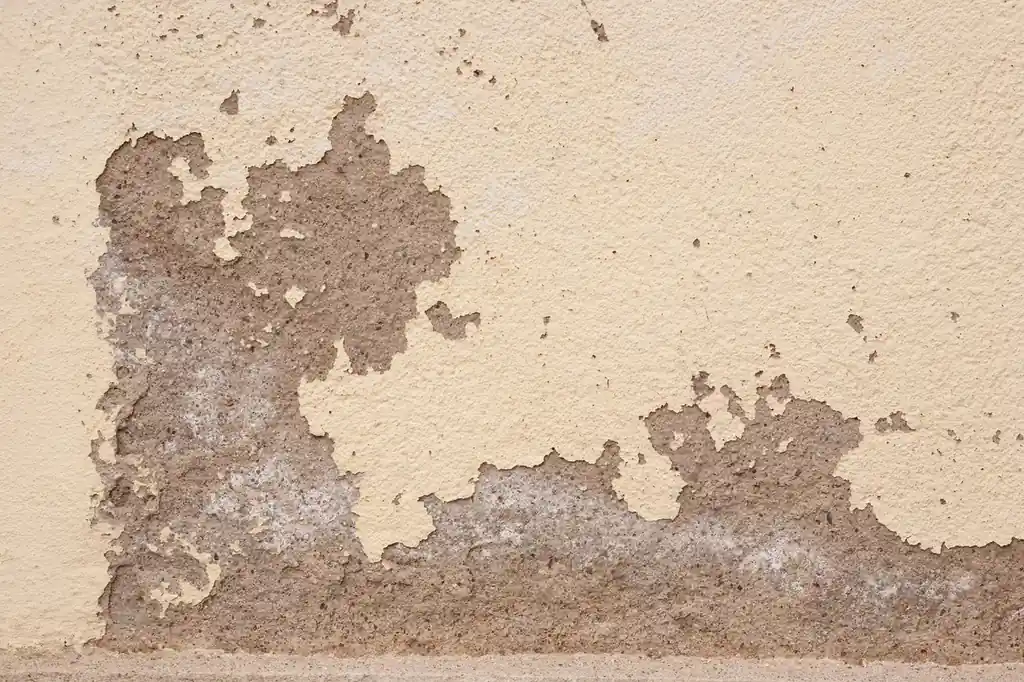
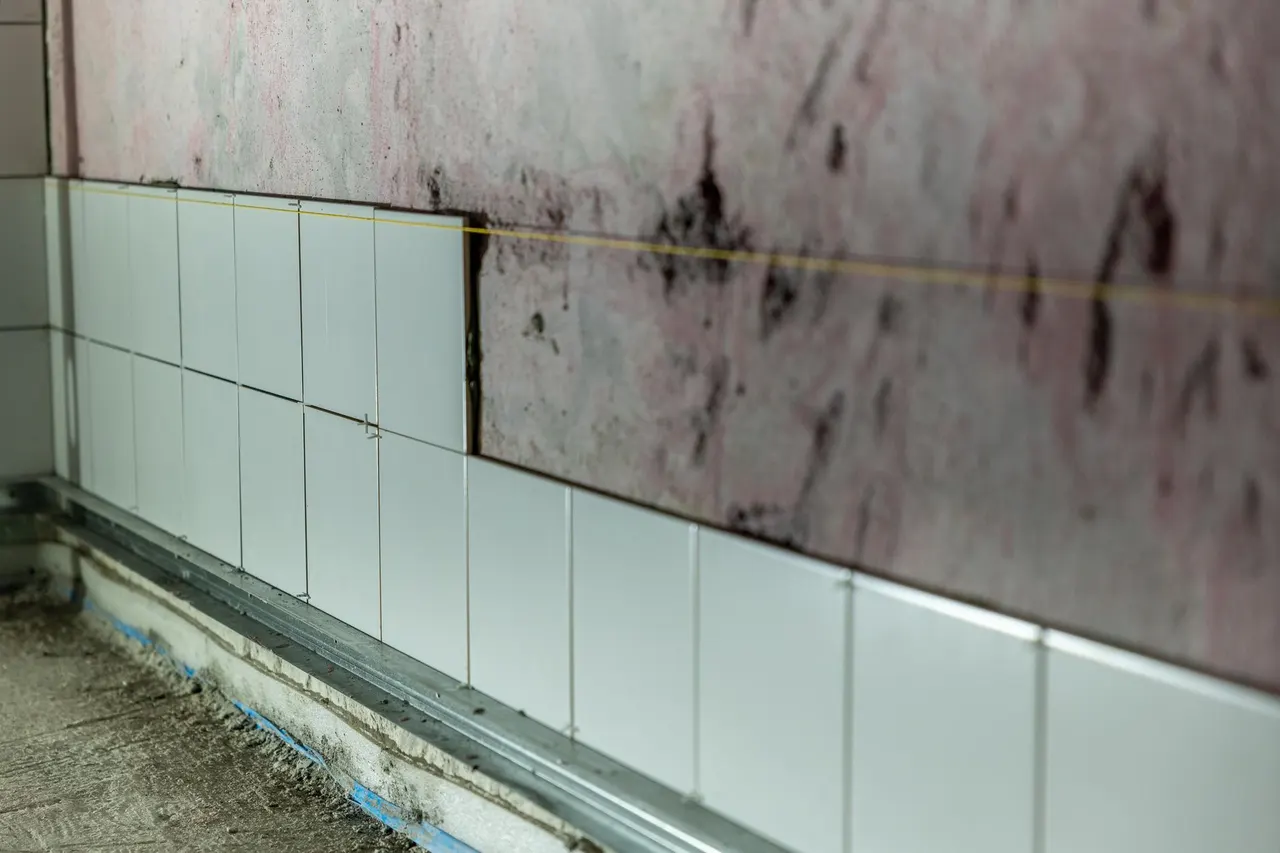
A provider can remove standing water, check the basement floor and lower wall sections, and identify materials that need drying or removal. A provider can also inspect around the sump pit and visible foundation seepage.
Emergency Water RemovalWater Damage Restoration Help in Pittsburgh, PA
Water in your home? Stop the source if it is safe, stay away from wet electrical areas, and call. Pittsburgh Water Damage Fix is a free referral service that connects you with an independent local water damage provider for water removal, drying, cleanup or repairs.
- Water source and spread
- Materials needing attention
- Next drying steps
Water damage restoration in Pittsburgh, Explained
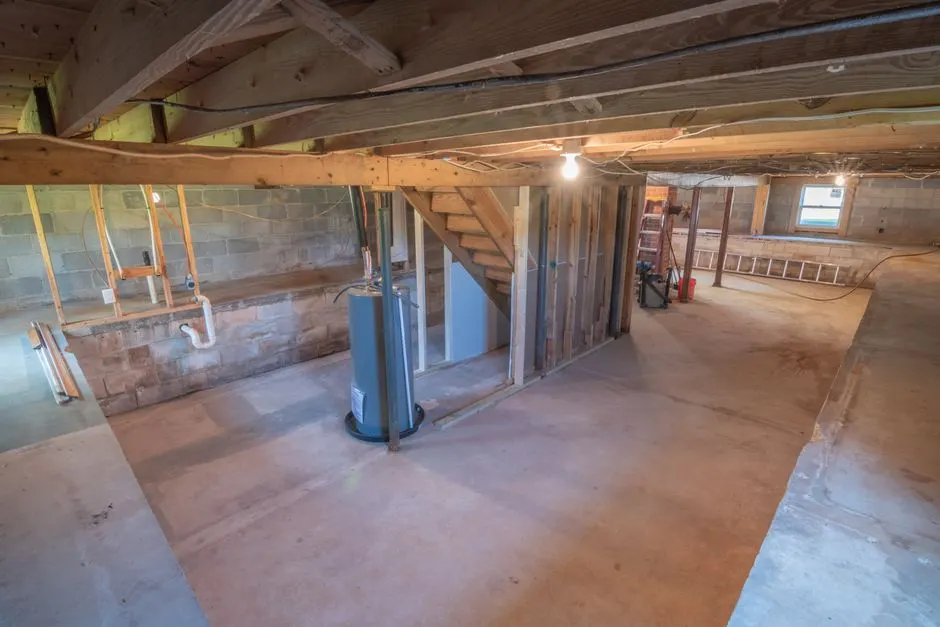
A provider can trace the water path, remove standing water, and check affected materials with moisture readings. Drying equipment is placed where it supports airflow and humidity control. A provider can review the readings with you, then move to repairs when the structure is ready.
Water damage restoration in Pittsburgh is property restoration that removes water, dries affected materials, and repairs damage after leaks or flooding. A provider can help homeowners and businesses across Pittsburgh, Pennsylvania, from Downtown and Oakland to Brookline and the North Shore. A moisture meter helps locate damp areas beyond visible stains, while a dehumidifier and air mover support controlled drying. A provider can look at the water source, affected rooms, and materials before deciding what should be cleaned, dried, or replaced.
Water damage restoration in Pittsburgh begins with practical checks, not guesswork. A provider can inspect walls, flooring, and concealed spaces, then explain the work in plain language. If you searched for water damage restoration in Pittsburgh near me after a pipe burst or basement flood, call with your neighborhood and what happened; a provider can help identify the next steps. A provider can serve Allegheny County and nearby communities, including Squirrel Hill, Shadyside, and East Liberty.
- Water source and entry point
- Moisture in nearby materials
- Contents and access needs
Pittsburgh Water Damage Services
The provider's services cover the first emergency response through drying, cleanup, and rebuilding after water affects your property. For water damage repair in Pittsburgh Pennsylvania, a provider can address the source when possible, extract water, and assess drywall, carpet, hardwood flooring, and insulation.
Water Damage Restoration
A provider can remove standing water, identify affected materials, and organize drying and repairs after a leak or flood.
Flood Damage Cleanup
Flood cleanup addresses water on floors, contaminated debris, and materials that cannot be safely dried in place. A provider can separate affected contents, extract water, and assess carpet, padding, and baseboards.
Emergency Water Removal
A provider can pump and extract standing water from homes and commercial spaces, then check remaining moisture in floors and wall edges.
Sewage Backup Cleanup
A sewage backup requires isolation, removal of contaminated water, and cleaning of affected surfaces.
Basement Water Damage Repair
Basement work can involve water removal, wall and floor drying, damaged drywall, and checks for foundation seepage.
Properties a provider can Work With
- Homeowners
- Renters
- Property managers
- Retail spaces
- Office buildings
How Restoration Work Proceeds
Water damage restoration in Pittsburgh projects follow a clear sequence: control the source, remove water, dry affected materials, then repair what cannot be restored. A provider can keep you informed at each stage and adjust the plan when readings or conditions change.
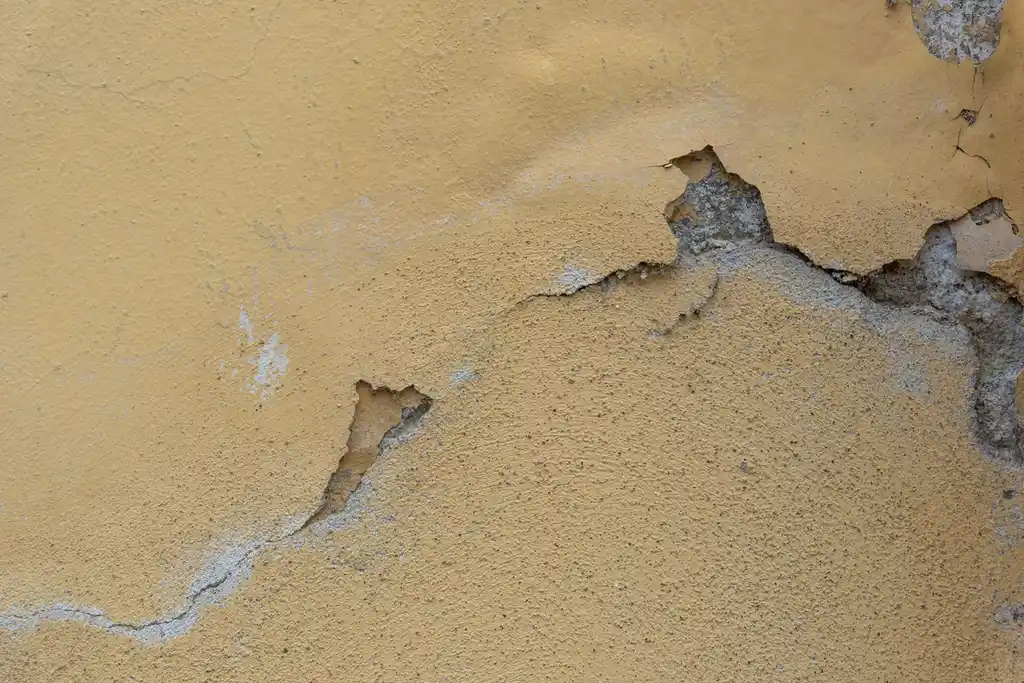
Assess the Damage
A provider can ask how the water entered, when it began, and which rooms are affected. Then a provider can inspect visible damage and check surrounding materials for moisture. Ask the provider for a straightforward explanation of urgent concerns, including electrical hazards or contamination that needs to be addressed first.
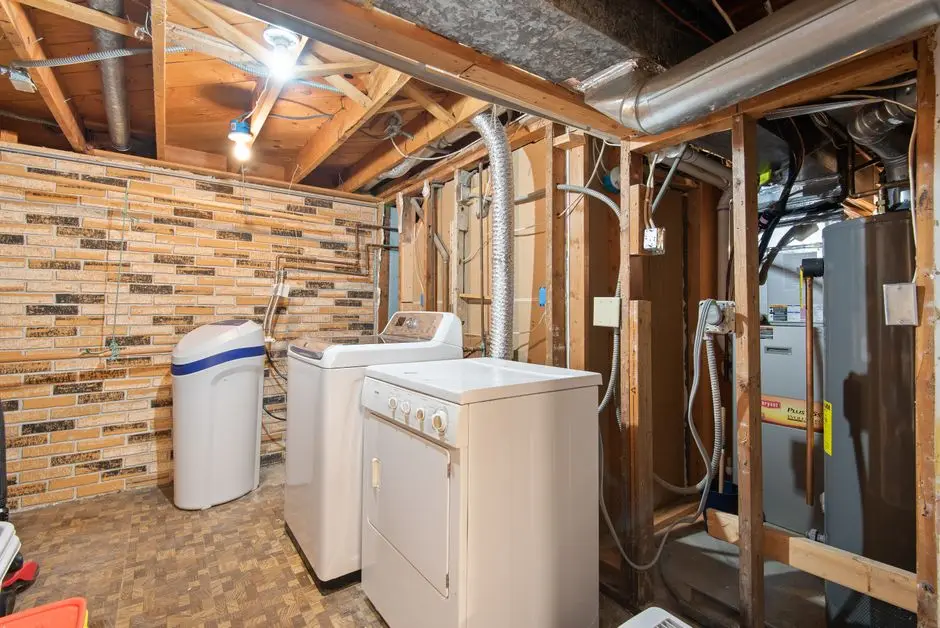
Extract and Protect
A provider can remove standing water and move or protect contents where practical. The crew identifies materials that need removal, then places drying equipment to support airflow and humidity control. You will know which areas are being treated and what access should remain clear.

Monitor Drying
A provider can return to check readings and adjust equipment as conditions change. Drying targets depend on the material and the extent of water exposure, so progress is based on measurements rather than a fixed number of days. A provider can explain what the readings mean in everyday terms.
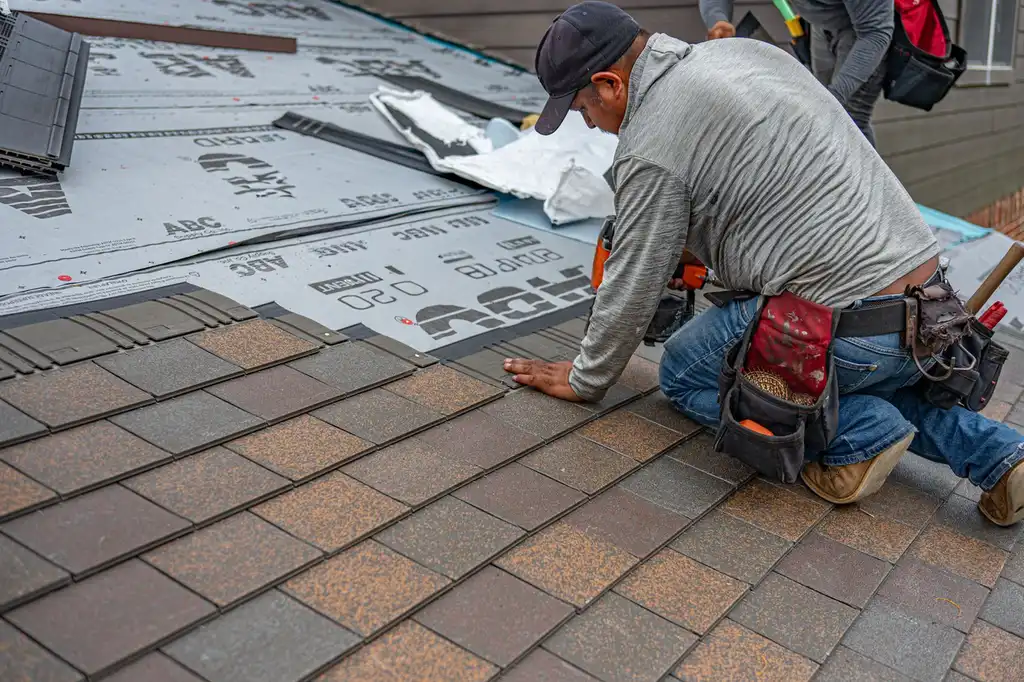
Repair and Restore
After the affected structure is dry enough for the next stage, a provider can address damaged drywall, flooring, trim, or insulation. A provider can coordinate finish repairs with the drying work and review the completed areas with you. The goal is a usable space with the water source and damage properly addressed.
Fix the Water Problem Before It Spreads
A leak can travel behind finishes before you see a stain or feel a soft floor. A provider can help Pittsburgh property owners stop active water problems, remove damaged materials, and dry what can be saved.
A provider can start with water extraction and trace moisture into adjoining rooms and wall cavities. Wet drywall and insulation are assessed before repair, while salvageable contents are separated for cleaning.
Pipe Burst Water Damage Repair
A provider can locate the affected ceiling area, check surrounding materials, and address wet insulation or drywall as needed. The roof opening must be controlled before finish repairs; otherwise, another storm can undo the work.
Roof Leak Water Damage RepairA provider can isolate the affected area, remove contaminated water and debris, and identify porous materials that require disposal. Surfaces are cleaned and disinfected after soil is removed.
Sewage Backup CleanupAreas near Pittsburgh
Choose your area for first steps and questions to ask. Availability depends on the independent provider.
- Allison Park
- Bairdford
- Bakerstown
- Bethel Park
- Brackenridge
- Braddock
- Bradford Woods
- Bridgeville
- Buena Vista
- Bunola
- Cheswick
- Clairton
- Coulters
- Creighton
- Cuddy
- Dravosburg
- East McKeesport
- Elizabeth
- Gibsonia
- Glassport
- Indianola
- Leetsdale
- McKeesport
- Morgan
- Natrona Heights
- North Versailles
- Oakdale
- Rural Ridge
- Russellton
- South Park
- Sturgeon
- Tarentum
- Warrendale
- West Elizabeth
- West Mifflin
- Wexford
Water damage restoration in Pittsburgh FAQs
These answers cover common questions Pittsburgh property owners ask after a leak or flood. Costs and timelines depend on the water source, affected materials, and how far moisture traveled.
Still have a question?
Call and describe what you are seeing to ask about a local provider.
(855) 920-5307There is no fixed price. It depends on the water source, contamination, affected area, materials removed, drying time and repairs. The independent provider sets its own price, so ask for a written estimate before work starts. Using this referral service is free.
Choose a water damage restoration company in Pittsburgh that explains the source, documents moisture checks, and lays out drying and repair steps clearly. Ask how the crew handles contaminated water, what equipment will be used, and how progress is monitored. Look for relevant credentials such as IICRC WRT where applicable, and confirm the company can explain its proposed work in plain language. The right fit is the team that answers your specific questions directly.
If it is safe, stop the water source and keep people away from standing water near electrical equipment. Do not enter a flooded basement if outlets, appliances, or wiring may be submerged. Move valuables only when safe, take photos, and call for water removal. Share whether the water came from rain, a pipe, or a sewer backup; that detail affects cleanup and material handling.
Availability is set by each independent provider and depends on your address and the time of your call. No arrival time is guaranteed. Call (855) 920-5307 and ask the provider when they can come. If anyone is in danger, call 911 first.
Choose a water damage repair company in Pittsburgh that inspects beyond visible stains, explains equipment placement, and checks moisture as drying progresses. Ask who will handle removal, cleaning, and reconstruction, and how the work is documented. For a larger loss, confirm how contaminated materials are treated and what credentials apply to the job. Clear answers help you compare plans based on the damage, not just a headline price.
Call for Water damage restoration in Pittsburgh
(855) 920-5307Tell the provider where the water is, what caused it, and whether it is still entering. A provider can help you identify the next practical step and explain how water removal, drying, and repair fit together.
Tell Us About Your Water Damage
Request a quote and a local provider can reach out to you. You can also call (855) 920-5307. Calls may be recorded for quality.
Pittsburgh Water Damage Fix is a free referral service that connects callers with independent, local water damage providers. We are not a contractor. Calls may be recorded for quality. Providers set their own prices, availability and credentials; ask them to confirm before work starts. See our privacy policy.
Call to describe the water source, the affected rooms and your ZIP code.