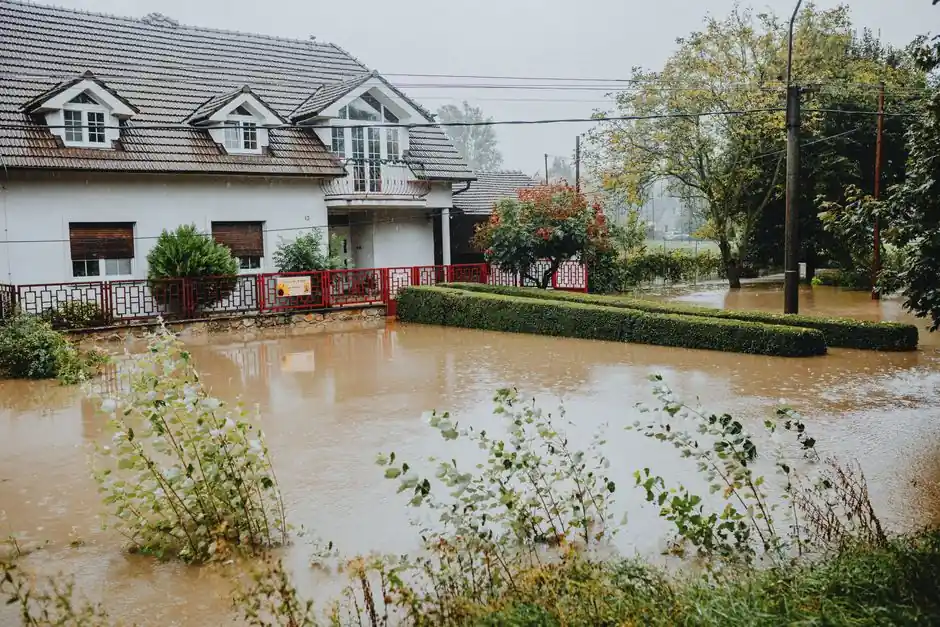
Roof Leak Water Damage Repair in Pittsburgh helps homeowners and property managers stop water intrusion and limit damage to ceilings, walls, insulation, and floors. A provider can trace the affected area, remove standing water, and set up controlled drying after a storm or slow roof leak. If stains are spreading or a ceiling feels soft, roof leak repair in Pittsburgh service addresses the water damage before it turns into a larger repair.
Roof Leak Water Damage Repair covers interior inspection, water extraction, moisture mapping, controlled drying, and documentation of affected materials. If drywall, insulation, flooring, or trim cannot be saved, a provider can identify the damaged sections and explain the next repair stage. The service focuses on water mitigation and interior recovery; correcting shingles, flashing, or other roof components is a separate roofing task. A provider can coordinate the sequence so interior repairs follow source control and drying.
Moisture Inspection
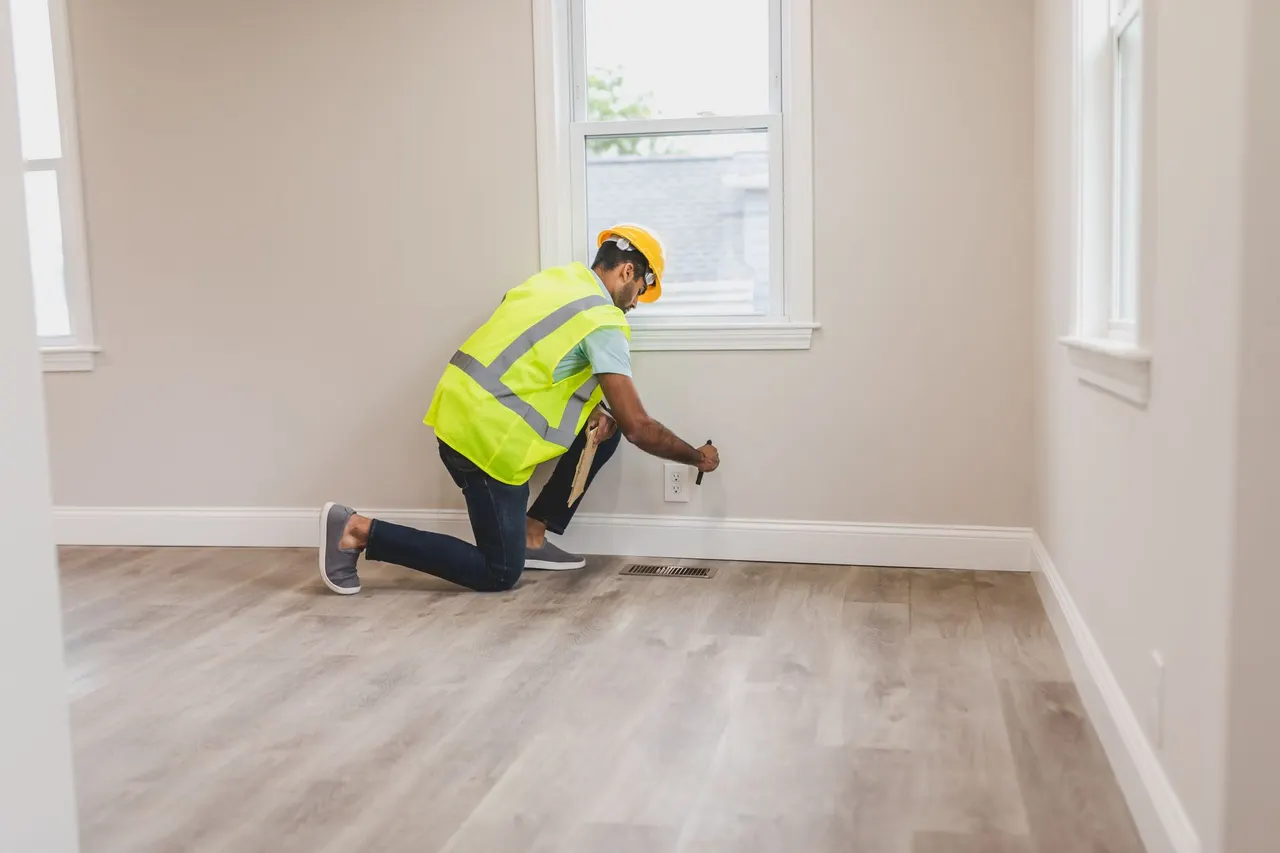
A provider can inspect visible stains and surrounding surfaces, then use moisture readings to check how far water traveled. Where access allows, a provider can look into affected cavities and compare readings at multiple points. This gives you a clearer picture than a visual check of the ceiling alone.
Water Extraction
Pooled water is removed from floors and accessible surfaces using suitable extraction equipment. A provider can protect nearby contents and check flooring edges, baseboards, and adjoining rooms for migration. Quick removal reduces the water load before drying equipment is placed.
Selective Material Removal
Saturated drywall, insulation, or ceiling material may need removal to expose wet framing and allow effective drying. A provider can limit removal to affected areas, contain debris, and document what was opened. The decision is based on condition, access, and moisture readings.
Structural Drying
Air movers and dehumidification are arranged to support drying of the room and affected building materials. A provider can check progress through repeat measurements and reposition equipment when readings show the need. The goal is to prepare the structure for repair without sealing in moisture.
Damage Documentation
A provider can record visible damage, affected materials, and drying progress with notes and photographs. These records help you understand the work completed and discuss the event with your insurer or repair trades. A provider can explain the remaining steps before the job moves into reconstruction.
Homes and businesses.
The approach is the same for a home and a business. What changes is the access, the schedule and who needs the paperwork.
Homes And Rentals
A provider can protect rooms and belongings while checking ceilings, walls, and floors for water migration. Ask the provider for a clear explanation of drying, access, and repair steps.
Stains after heavy rain
Wet bedroom ceiling
Damp carpet near a wall
Workplaces
A provider can plan equipment placement around staff, customers, and property contents. Managers receive documented conditions and practical next steps for affected rooms.
Leaking office ceiling
Wet stockroom flooring
Storm damage above a suite
Roof Leak Water Damage Repair in Pittsburgh
A plain-language look at what Roof Leak Water Damage Repair involves and when it is needed.
Roof Leak Water Damage Repair in Pittsburgh is a water mitigation and structural drying service that removes roof-intrusion water and stabilizes affected building materials. A provider can inspect the roof-side entry clues and the rooms below, map moisture in drywall and insulation, extract pooled water, and set air movement and dehumidification. A moisture meter and thermal imaging camera help the provider distinguish a damp surface from moisture trapped behind it. Once readings show the materials are dry enough for the next stage, a provider can identify materials that need removal and prepare the area for repairs.
Pittsburgh's freeze-thaw cycles, wind-driven rain, and heavy winter snow can expose flashing, shingles, and roof penetrations; older plaster and layered ceilings can also hide the path water took. A provider can serve Allegheny County homes where a small ceiling stain grows after repeated storms or a thaw. For ceiling water damage from roof leak Pittsburgh properties, a provider can check adjoining rooms and attic insulation too. Roof leak water damage restoration and drying in Pittsburgh work reduces hidden moisture and musty odors before they spread.
Find the water path, dry affected materials, and confirm conditions before rebuilding.
What it is
Interior water removal, moisture assessment, and drying after water enters through a roof.
When needed
Use it for active drips, ceiling stains, damp insulation, or wet floors after roof intrusion.
What to expect
Inspection, extraction when needed, monitored drying, documentation, and repair guidance.
What To Expect During Service
Roof Leak Water Damage Repair in Pittsburgh follows a straightforward sequence: locate the affected areas, remove water, dry materials, and prepare for repairs. A provider can explain each stage before equipment is placed, protect nearby belongings, and keep you informed as readings change.
Inspect And Map
At the first visit, a provider can walk through the affected rooms with you, inspect visible roof-leak clues, and map moisture in ceilings, walls, and floors. A moisture meter and infrared thermometer help locate wet areas without opening every surface.
Walk-through
Moisture map
Safety check
Control Active Water
A provider can protect furnishings, catch drips, and remove standing water with a water extraction unit or wet vacuum. If water is entering during a storm, a provider can identify the safest immediate containment step and explain what needs roofing attention. Your belongings and walkways are protected before equipment or materials move through the room.
Protect contents
Extract water
Contain area
Remove Unsalvageable Material
When insulation, drywall, or ceiling material is saturated or deteriorated, a provider can remove only the affected sections needed for safe drying and access. A provider can contain debris, check the exposed framing, and record the areas opened. This step is especially important when a ceiling is bulging, soft, or showing active dripping.
Open as needed
Inspect cavity
Record damage
Dry And Monitor
A provider can position air movers and a dehumidifier to circulate air and pull moisture from the room and materials. Drying commonly takes 3 to 5 days, but readings and material type determine the actual duration. A provider can return to check moisture levels, adjust equipment, and explain progress rather than treating a set number of days as proof.
Set equipment
Check readings
Adjust airflow
Prepare For Repairs
After drying, a provider can review the final readings and the documented damage with you. The next phase may include drywall, insulation, baseboard, or flooring replacement and finish work after the roof opening is corrected. A provider can explain the sequence so repairs do not cover damp materials or leave a recurring stain beneath a patched ceiling.
Review progress
Plan repairs
Share records
ShadysideSquirrel HillNorth Shore
How Roof Leak Repair Runs In Pittsburgh
Pittsburgh properties see repeated freeze-thaw cycles, wind-driven rain, and winter snow that can stress shingles, flashing, valleys, and roof penetrations. When a thaw follows a freeze, water may enter at a seam and travel along framing before a ceiling stain appears.
Older homes in Allegheny County can include plaster, layered ceilings, and narrow cavities that hold moisture; newer buildings may have insulated roof assemblies that need careful access. A provider can inspect the room below and the route above when safely accessible, then separate water mitigation from roof construction.
A provider can check for damp insulation, warped flooring, and musty odors, using readings to establish where drying is needed. Pittsburgh roof leak water damage repair also accounts for occupied homes and businesses, where equipment placement and clear walkways matter.
Shadyside: Older homes and multi-unit buildings can have plaster ceilings and concealed cavities, so a provider can check beyond the visible stain before setting a drying boundary.
Squirrel Hill: Roof leaks in larger homes can affect more than one floor; a provider can inspect connected rooms and stairwell routes for migrating water.
North Shore: Commercial and mixed-use spaces need clear access around equipment and inventory, so a provider can plan drying placement around occupied areas.
Brookline: Sloped rooflines and finished upper rooms can conceal wet insulation, making cavity checks important when a ceiling stain returns after rain.
Freeze-thaw cycles reopen weak roof seams after cold nights: Water may enter during a thaw and travel before it becomes visible indoors. A provider can check ceiling edges and adjoining walls for secondary moisture, then monitor materials rather than relying on the size of the stain.
Heavy rain and wind push water beneath roof edges: Wind-driven water can affect upper walls, insulation, and multiple rooms. A provider's inspection should follow the likely path and includes nearby surfaces so drying equipment covers the affected area, not only the first drip point.
A provider can walk through the affected rooms and explain visible conditions.
A provider can protect nearby contents and prepare safe access for equipment.
A provider can review moisture checks, drying progress, and repair steps.
Problems Roof Leak Drying Solves
A roof leak can leave water in places you cannot see from the room. A provider can trace the moisture path, check affected materials, and use monitored drying to reduce the risk of lingering dampness. The earlier you address a stain, soft ceiling, or musty odor, the easier it is to define the work.
Spreading stainA ceiling stain keeps spreading after each Pittsburgh rainstormRepeated wetting can soften drywall, stain finishes, and saturate insulation even when the drip stops between storms. A provider can inspect the stain and nearby ceiling, check moisture beyond the visible edge, and document the suspected water path. After active water is controlled, a provider can extract and dry affected areas. If a section is saturated or unstable, a provider can explain the removal and repair steps instead of covering the stain.
Sagging ceilingA ceiling sags beneath a roof opening during a stormA loaded ceiling can release water or material without warning, creating a hazard for people, furniture, and electrical fixtures below. A provider can keep people clear of the sagging area and assess the safest access before handling the wet material. The local provider catches or extracts water where safe, protect the room, and checks adjacent surfaces for migration. A provider can then remove damaged material as needed and set up monitored drying.
Musty cavityWet insulation leaves a musty smell after the leak stopsMoisture trapped above the ceiling can continue affecting framing and finishes, while the odor signals that the cavity needs further investigation. A provider can check the ceiling cavity where access is available and measure surrounding materials instead of treating the odor as a surface issue. Wet insulation that cannot be dried effectively is removed, and the exposed area is dried and rechecked. Any rebuilding follows source control and moisture confirmation.
Damp flooringHardwood or carpet below the leak feels damp or warpedWater can move from a ceiling down walls and collect at floor edges, causing swelling, separation, or damage to carpet padding. A provider can inspect flooring, edges, and adjacent rooms, then extract water from accessible surfaces. Readings help determine whether hardwood flooring, laminate flooring, carpet, or padding can be dried in place. A provider can explain the condition of each material and the repair options based on observed damage.
Practical Results For Your Property
Drying the structure before repairs helps prevent concealed moisture from being covered.
Limit Hidden Moisture
A provider can use moisture readings across the visible stain and nearby surfaces, not just the wettest spot. That helps catch damp drywall, insulation, and baseboards beyond the obvious ceiling mark. Drying equipment is positioned to move air across affected materials, with follow-up readings guiding adjustments instead of relying on touch alone.
Protect Salvageable Finishes
A measured response can preserve hardwood flooring, laminate flooring, and carpet when materials remain structurally sound. A provider can extract surface water, separate wet padding where needed, and control humidity while the area dries. Your team explains which materials can be retained and which need removal because of saturation or deterioration.
Address The Source Path
Roof leak repair Pittsburgh customers need more than a painted-over stain. A provider can document where water entered and how it moved through the assembly, then coordinate the drying and interior repair sequence. Prompt action after a storm can prevent a minor ceiling issue from becoming a larger insulation or framing project.
Reduce Mold Conditions
Wet building materials left damp for several days create conditions that support mold growth. A provider can remove unsalvageable porous material and manage drying with air movers and dehumidification. Ask the provider for practical guidance on ventilation and access so enclosed cavities are not closed before the affected materials are dry.
Mitigation And Roof Repairs Differ
Interior drying addresses water damage; roofing work corrects the opening that let water inside.
Mitigation
Removes water and dries affected building materials.
Extraction
Moisture checks
Controlled airflow
Roof work
Repairs the exterior roof assembly and entry point.
Shingles and seams
Flashing and penetrations
Weatherproofing
Interior repairs
Restores finishes after materials are ready.
Ceiling replacement
Wall and trim work
Flooring repairs
Affected materials
Drywall
Insulation
Hardwood
Laminate
Carpet
Padding
Baseboards
Plywood
Areas near Pittsburgh
Choose your area for first steps and questions to ask. Availability depends on the independent provider.
There is no fixed price. It depends on the water source, contamination, affected area, materials removed, drying time and repairs. The independent provider sets its own price, so ask for a written estimate before work starts. Using this referral service is free.
Stop active water safely, move belongings, and arrange inspection and drying within 24 hours when possible. Do not stand beneath a sagging ceiling or touch wet electrical fixtures. A provider can trace the interior moisture, extract water, remove damaged porous materials when needed, and monitor drying. Roof leak repair near me searches should lead to help that addresses both the entry path and the wet ceiling, not stain-covering alone.
Coverage depends on your policy, the cause of the water and the timing. Contact your insurer, photograph the damage, and keep receipts. Ask the provider what records they can give you. This referral service does not decide or promise coverage.
Availability is set by each independent provider and depends on your address and the time of your call. No arrival time is guaranteed. Call (855) 920-5307 and ask the provider when they can come. If anyone is in danger, call 911 first.
Roof Leak Water Damage Repair in Pittsburgh starts with finding how far water traveled and stopping it from spreading. A provider can document affected materials and explain the drying steps. Call (855) 920-5307 to discuss the leak and arrange an inspection.
Request a quote and a local provider can reach out to you. You can also call (855) 920-5307. Calls may be recorded for quality.
Pittsburgh Water Damage Fix is a free referral service that connects callers with independent, local water damage providers. We are not a contractor. Calls may be recorded for quality. Providers set their own prices, availability and credentials; ask them to confirm before work starts. See our privacy policy.
Call to describe the water source, the affected rooms and your ZIP code.