Flood damage cleanup in Pittsburgh helps homeowners and property managers recover after basement flooding, stormwater entry, sewage backup, or a burst pipe. A provider can extract standing water, identify wet materials, and set up drying equipment so hidden moisture does not linger behind walls or under flooring. The provider's flood cleanup in Pittsburgh service starts with the immediate hazard and works toward a dry, documented space.
Flood damage cleanup covers assessment, water extraction, cleaning appropriate to the water source, and drying of affected building materials. A provider can document the work and explain repair needs as they become clear. Contents cleaning, reconstruction, and specialized contamination response are handled according to the loss and the materials involved, so you know which tasks address the immediate water and which restore the property afterward.
Water source assessment
A provider can identify the likely entry point, water category, affected rooms, and immediate hazards. That first check shapes the cleanup sequence and helps the provider decide whether the area needs isolation, additional protection, or prompt extraction.
Standing water removal
A provider can use pumps and extraction equipment to remove accessible water from floors and other affected surfaces. The crew checks adjoining rooms and low points because water can travel under flooring or collect behind stored items.
Affected material review
A provider can assess carpet, padding, drywall, insulation, baseboards, and other wet materials. You will hear which materials are candidates for drying and which require removal because of saturation, damage, or contamination.
Cleaning and drying setup
A provider can clean exposed surfaces as the water source requires, then position air movers and dehumidification equipment. Follow-up readings help the provider track progress and adjust airflow instead of relying on a single visual inspection.
Job documentation
A provider can record affected areas, material conditions, and drying checks with notes and photographs. This gives you a practical record of what happened and supports coordination with repair work or an insurance claim.
Homes and businesses.
The approach is the same for a home and a business. What changes is the access, the schedule and who needs the paperwork.
Homes and rentals
A provider can help homeowners and tenants manage flooded rooms, wet belongings, and disrupted routines. A provider can identify affected materials and explain the cleanup sequence.
Basement flooding after heavy rain
Pipe leak between floors
Wet carpet and lower drywall
Business properties
A provider can work with owners and property managers to identify affected areas and protect access routes. Cleanup planning accounts for contents, building materials, and operations.
Water in tenant spaces
Stormwater near stored inventory
Leak affecting shared corridors
Flood damage cleanup in Pittsburgh explained
A plain-language look at what Flood Damage Cleanup involves and when it is needed.
Flood damage cleanup in Pittsburgh is a water mitigation service that removes unwanted water, cleans affected surfaces, and dries a building after flooding or a water release. A provider can begin by checking the source, water category, and affected rooms; then the provider can extract water, remove unsalvageable materials when needed, and monitor structural drying. A moisture meter helps the provider track readings in drywall, baseboards, and flooring rather than relying on touch. The work reduces continuing damage and identifies where repair or sanitization is necessary.
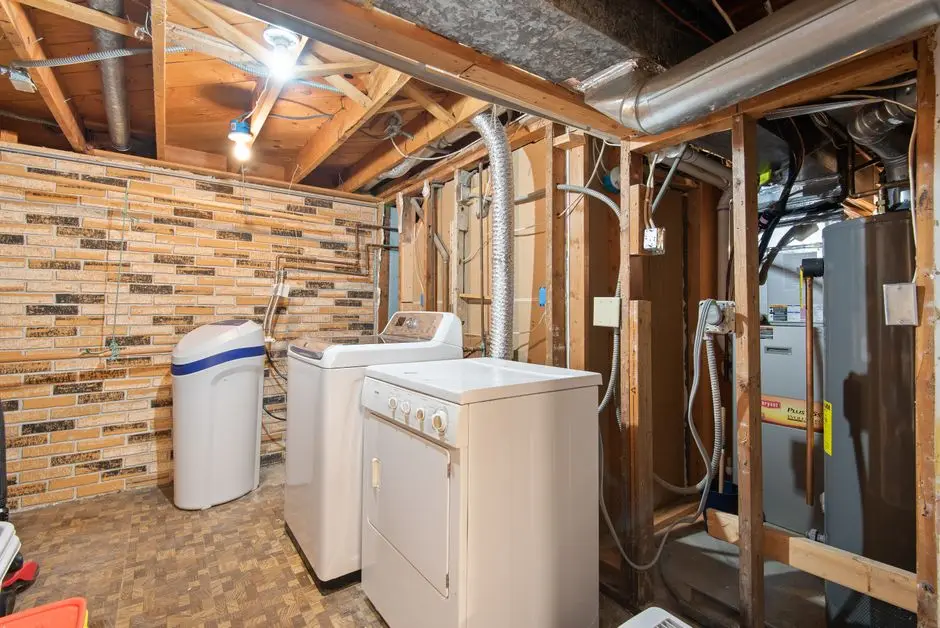
In Pittsburgh, steep streets, older foundations, heavy rain, and cold-season pipe failures can send water into basements and lower levels quickly. A sump pump failure or foundation seepage can wet concrete, carpet padding, stored belongings, and wall cavities. A provider can handle Pittsburgh flood damage cleanup from initial extraction through drying and cleaning, including flooded basement cleanup in Pittsburgh when a finished basement has soaked flooring or musty odors. The sooner the provider can remove standing water, the sooner a provider can assess what is salvageable.
Effective flood cleanup removes water, identifies wet materials, and verifies drying before repairs cover the structure.
What it is
Removal, cleaning, and drying work after unwanted water enters a building.
When needed
After basement flooding, stormwater entry, sewage backup, or a burst pipe.
What to expect
Inspection, extraction, material review, drying checks, and repair planning.
What to expect during cleanup
Flood damage cleanup in Pittsburgh follows a practical sequence: inspect, extract, remove affected materials, dry, then verify. A provider can explain the immediate priorities before equipment is placed, and the provider can keep you informed as readings change. A straightforward water release may take several hours of active work; structural drying often continues for 3 to 5 days, depending on materials and water volume.
Inspect and document
A provider can walk through the affected rooms with you, identify the likely source, and map visible and hidden wet areas. A moisture meter and thermal imaging camera help locate damp materials behind finishes without opening every wall. A provider can photograph conditions, note safety concerns, and separate clean-water damage from sewage or outdoor floodwater so the cleanup method fits the loss.
Walk-through
Source check
Photo record
Stop and extract
A provider can address active water entry when it is safe to do so, then use a water extraction unit or sump pump to remove standing water. A provider can protect walkways, move salvageable items out of the wet zone, and keep you informed about access and power needs.
Stop entry
Extract water
Protect contents
Remove wet materials
A provider can check carpet, padding, drywall, insulation, and trim to determine what can be dried and what must come out. Removal is controlled to limit dust and cross-contamination, particularly after sewage backup. A provider can explain the affected sections before cutting or lifting materials, and the provider can keep salvageable belongings separate so cleaning can proceed without adding avoidable damage.
Check materials
Remove damage
Clear access
Clean and dry
A provider can clean exposed surfaces, apply appropriate sanitizing products when the water source requires them, and position air movers and dehumidifiers to circulate air through the wet zone. Drying commonly runs 3 to 5 days, with checks at least once daily during active monitoring. A provider can adjust equipment as readings improve, rather than leaving it in place without follow-up.
Clean surfaces
Set equipment
Track readings
Verify and plan repairs
A provider can take final moisture readings, compare them with the initial documentation, and confirm which materials are ready for repair. If readings remain elevated, a provider can continue drying and recheck the area. Ask the provider for a summary of completed cleanup and remaining repair needs, such as replacing insulation, installing drywall, or addressing warped flooring after the structure is dry.
Verify drying
Review records
Plan repairs
South SideSquirrel HillLawrenceville
Flood cleanup across Pittsburgh homes
Pittsburgh properties range from older brick homes with stone foundations to finished basements and multi-unit buildings. The provider's local execution accounts for narrow stair access, shared walls, hillside runoff, and water that enters at a lower-level window or foundation seam.
In winter, frozen or failed supply lines can release water into several floors; during heavy rain, overwhelmed drainage and sump systems can flood basements. A provider can perform Pittsburgh flood damage cleanup by tracing the water path, extracting what is accessible, and measuring affected materials before drying.
For a flooded basement cleanup in Pittsburgh Pennsylvania residents can expect the provider to check adjacent rooms, floor edges, and lower wall cavities, not just the obvious puddle. A provider can also consider applicable Pennsylvania Department of Environmental Protection regulations and Allegheny County Health Department guidelines when a loss involves contaminated water or regulated waste.
South Side: Older row homes and finished lower levels can have tight stair access, so a provider can plan equipment placement and protected routes before extraction.
Squirrel Hill: Basement flooding after heavy rain calls for checks around foundation walls, window wells, and stored contents near the floor.
Lawrenceville: Multi-level and attached homes can carry water between floors, so a provider can inspect adjoining ceilings and shared wall edges.
Oakland: Rental and multi-unit buildings need clear separation of affected rooms, contents, and access paths during cleanup and drying.
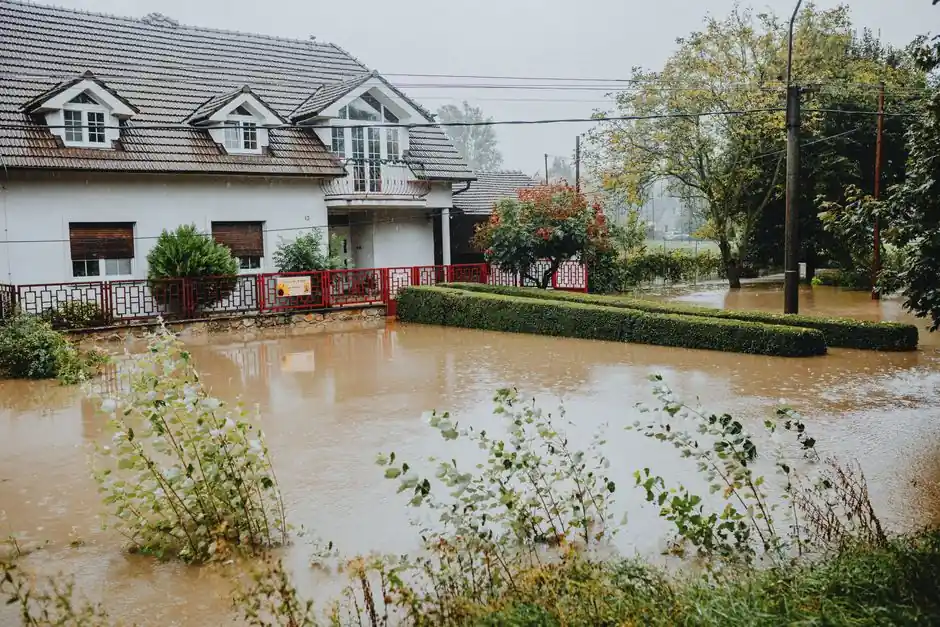
Hillside runoff enters basement window wells during intense rain: Water can pool against below-grade openings and move quickly across basement floors. A provider can check nearby drywall, carpet edges, and stored items, then identify whether water traveled into adjoining spaces before equipment is placed.
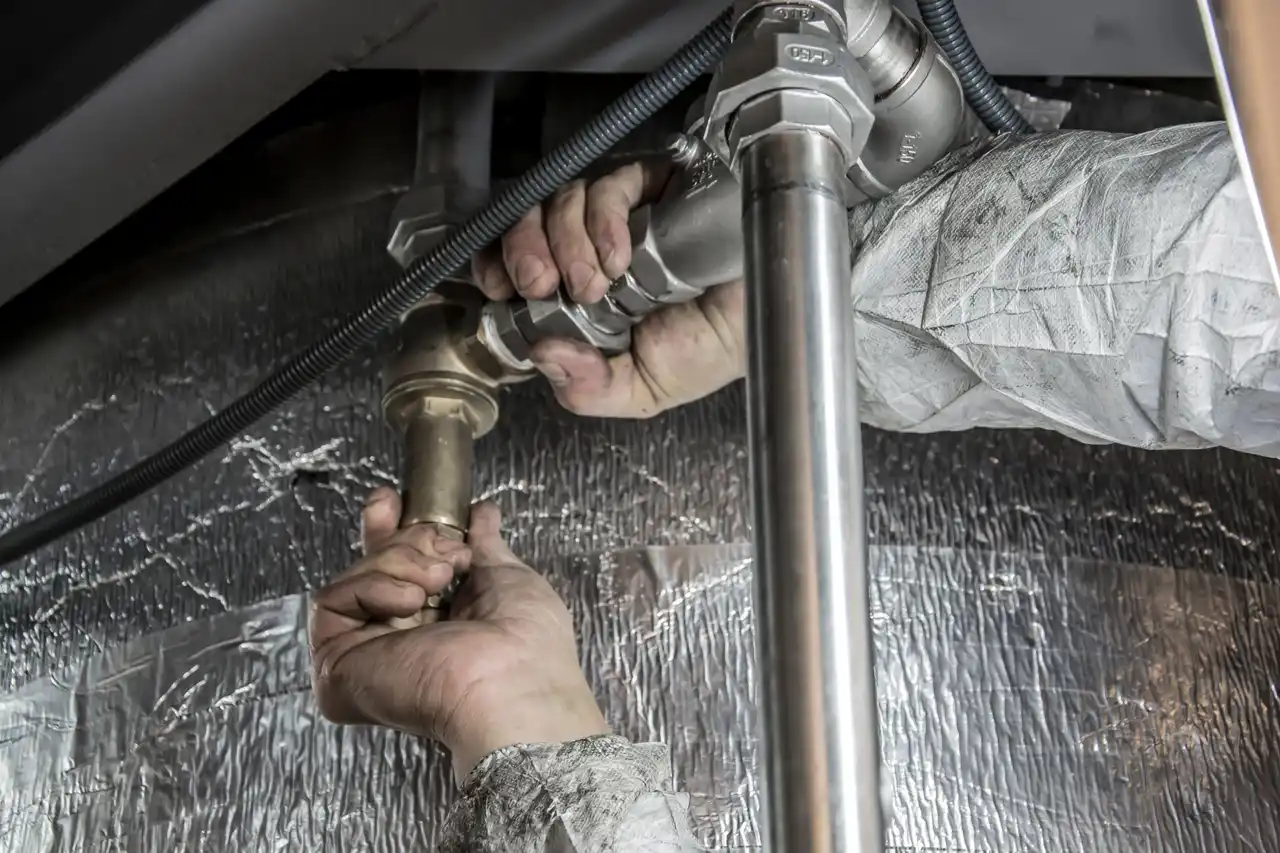
Cold snaps expose older plumbing to burst-pipe flooding: A small pipe failure can wet ceilings, walls, and multiple floors before the source is controlled. A provider can trace the path, check concealed cavities, and dry affected materials before finish repairs begin.
A provider can walk through affected rooms and explain the initial findings.
A provider can protect access routes and position extraction equipment.
A provider can check drying progress and review practical next steps.
Problems solved by basement flood cleanup
Flooding leaves more than water on the floor: it can soak wall cavities, swell finishes, and create odors. A provider can identify the affected materials and work from extraction through drying, so your next decision is based on the condition of the building rather than appearances alone.
Wet flooringWater trapped beneath finished basement flooring after heavy rainMoisture beneath laminate or carpet padding can remain after the visible surface dries, leading to buckling, odors, and damaged subfloor materials. A provider can extract visible water, inspect floor edges and transitions, and check adjacent materials for retained moisture. If flooring or padding cannot be dried effectively, a provider can explain the removal area before work proceeds. After drying, a provider can document the condition of the subfloor and identify repair needs so new flooring is not installed over a wet base.
Sewage exposureSewage backup contaminating a Pittsburgh basementContaminated water can affect porous belongings and finishes, while tracking through the home can spread debris and odor beyond the original room. A provider can isolate the affected space, remove contaminated porous materials as required, and clean exposed surfaces with methods suited to the water source. A provider can keep salvageable contents away from the work zone and focus on controlling cross-contamination. After cleaning, a provider can dry the structure and identify any remaining repair needs.
Pump failureA failed sump pump leaves standing water overnightWater can reach stored belongings, carpet, lower drywall, and electrical areas, with damage expanding while the pump remains out of service. A provider can prioritize safe access and water extraction, then check low areas and wall edges where moisture collects. A provider can separate wet contents, assess porous materials, and set drying equipment based on the affected rooms. A provider can also note whether the sump system or another entry point needs repair to reduce repeat flooding.
Burst pipeCold-weather pipe burst soaks multiple roomsA burst line can push water through ceilings and walls before the leak is found, leaving hidden wet insulation and stained finishes across floors. A provider can trace the water path from the release point, extract pooled water, and check connected spaces with moisture-reading tools. The crew removes materials that cannot be dried in place and sets a monitored drying plan for the remaining structure. Once readings support repair, a provider can outline work for drywall, insulation, and damaged finishes.
Practical results after flooding
Remove water, understand the damage, and move toward repair with clear information.
Less lingering moisture
A provider can place air movers and a dehumidifier to move moisture out of the affected area, then recheck readings during drying. That matters when water has reached carpet padding, lower drywall, or a closed wall cavity. A provider can record the affected materials and adjusts equipment placement as conditions change, rather than treating a damp basement as dry because the surface feels cool.
Safer cleanup decisions
Floodwater from a sewage backup is handled differently from a clean supply-line leak. A provider can identify the likely source, isolate contaminated materials, and use appropriate cleaning and sanitizing steps. You will know which items are suitable for cleaning and which porous materials need removal, reducing the chance of spreading contamination into unaffected rooms.
Clear damage documentation
A provider can photograph affected rooms and note moisture readings, removed materials, and equipment locations as work progresses. That record helps you discuss the loss with your insurer and track drying, especially when water has affected several levels. Pittsburgh flood damage cleanup should leave you with more than an empty room; it should leave a usable record of the work.
A defined path to repairs
Extraction and drying are only part of recovery. A provider can identify whether drywall, insulation, laminate flooring, or baseboards need repair after moisture levels stabilize. You can then move from mitigation to reconstruction without guessing which areas were exposed. For a small appliance leak, the affected zone may be limited; a basement flood can require a broader repair plan.
Understand the water source
Water source and exposure affect cleanup methods, material decisions, and the care needed before a room is repaired.
Clean water
Water from a supply line before contamination occurs.
Find the release point
Extract pooled water
Dry affected materials
Outdoor water
Rain or runoff entering through openings or foundations.
Check entry paths
Separate affected contents
Review porous materials
Contaminated water
Sewage or other water requiring controlled cleanup.
Isolate affected areas
Remove unsuitable materials
Clean exposed surfaces
Materials and surfaces
Drywall
Insulation
Hardwood
Laminate
Carpet
Padding
Baseboards
Concrete
Areas near Pittsburgh
Choose your area for first steps and questions to ask. Availability depends on the independent provider.
There is no fixed price. It depends on the water source, contamination, affected area, materials removed, drying time and repairs. The independent provider sets its own price, so ask for a written estimate before work starts. Using this referral service is free.
A large or deeply flooded basement can require longer, especially when water reached insulation, wall cavities, or multiple rooms. A provider can check moisture readings during the process and adjust equipment as needed. Repairs begin after wet materials have been removed or verified dry.
Coverage depends on your policy, the cause of the water and the timing. Contact your insurer, photograph the damage, and keep receipts. Ask the provider what records they can give you. This referral service does not decide or promise coverage.
If it is safe, stop the water source, avoid standing water near electrical equipment, and move people and pets away from contaminated areas. Do not use household vacuums on floodwater. Call now at (855) 920-5307 and tell the provider the water source, depth, and rooms affected. A provider can guide the next cleanup steps and arrange flooded basement cleanup in Pittsburgh.
Water keeps moving until it is extracted and wet materials are assessed. Call (855) 920-5307 and tell the provider the source, depth, and affected rooms. A provider can explain the first cleanup steps and help you move toward drying and repairs.
Request a quote and a local provider can reach out to you. You can also call (855) 920-5307. Calls may be recorded for quality.
Pittsburgh Water Damage Fix is a free referral service that connects callers with independent, local water damage providers. We are not a contractor. Calls may be recorded for quality. Providers set their own prices, availability and credentials; ask them to confirm before work starts. See our privacy policy.
Call to describe the water source, the affected rooms and your ZIP code.