Emergency water removal in Pittsburgh helps homeowners, tenants, and property managers limit damage after a pipe burst, basement flood, roof leak, or appliance failure. A provider can locate the water, extract standing liquid, check affected materials, and set up drying equipment. If water is moving through flooring or walls, acting promptly can reduce swelling, staining, and the chance of persistent odors. Call (855) 920-5307 to discuss what is happening at your property.
Emergency water removal focuses on controlling active water, extracting standing liquid, and assessing affected materials so drying can begin. A provider can explain which steps address the immediate loss and which require additional cleaning, demolition, or reconstruction. Work varies with the water source, contamination, depth, and materials.
Source and area check
A provider can identify the apparent source, check whether water is still entering, and inspect nearby rooms for spread. You can point out when the loss started and where you first saw water. This initial review helps direct extraction and identify safety concerns before equipment is set up.
Standing water extraction
A provider can remove accessible water from affected floors and low areas with suitable extraction equipment. Where deeper basement water is present, a sump pump may be appropriate. The goal is to reduce standing water before it migrates farther into flooring, contents, and wall materials.
Moisture assessment
A provider can use readings and visual checks to assess wet flooring, baseboards, drywall, and other accessible materials. That helps distinguish a surface spill from a loss that has traveled into a cavity or adjoining room. A provider can explain what the readings indicate and where follow-up checks matter.
Initial drying setup
When conditions support drying, a provider can place air movers and a dehumidifier to circulate air and remove moisture. Equipment position depends on room size, material, and access. A provider can tell you what needs to remain accessible and what to expect while the setup is running.
Damage documentation
A provider can record visible conditions and the work performed to help you follow the loss from extraction into drying or repair. Photos and notes can clarify which rooms were affected and what materials need another check. Documentation is useful for organizing next steps with your property team or insurer.
Homes and businesses.
The approach is the same for a home and a business. What changes is the access, the schedule and who needs the paperwork.
For homes
A provider can help homeowners and tenants address leaks, basement water, and soaked flooring. A provider can explain affected materials and keep you informed as extraction and drying proceed.
Pipe leak beneath a kitchen sink
Basement water near stored belongings
Roof leak staining a bedroom ceiling
For businesses
A provider can coordinate with owners and property managers around access, affected work areas, and equipment placement. A provider can document conditions and explain the sequence for restoring usable space.
Water across an office floor
Leak above a tenant suite
Flooding near stockroom shelving
Emergency water removal in Pittsburgh explained
A plain-language look at what Emergency Water Removal involves and when it is needed.
Emergency water removal in Pittsburgh is a water damage response service that extracts unwanted water and begins drying affected building materials after a leak, flood, or backup. A provider can first identify the water source and safety concerns, then remove standing water with a water extraction unit or sump pump as conditions require. Moisture readings help the provider decide whether carpet, padding, drywall, or insulation needs further assessment. The work may include moving contents, documenting damage, and placing air movers and a dehumidifier. Extraction is the urgent first stage; drying and repairs follow according to measured conditions.
Pittsburgh properties face basement flooding after heavy rain, frozen or burst pipes during cold snaps, and roof leaks after storms. Older foundations, finished lower levels, and varied construction materials can let water travel beyond the visible puddle. A provider can trace affected areas and explain practical next steps, including emergency water removal and drying in Pittsburgh Pennsylvania property owners may need after a hidden leak. Emergency water extraction Pittsburgh starts with stopping the source where possible, then removing water before it reaches additional rooms or stored belongings.
Remove standing water first, then measure and dry affected materials before repairs cover them.
What it is
Extraction of unwanted water followed by assessment and drying of affected building materials.
When to call
Standing or spreading water after a leak, flood, or backup needs prompt assessment.
What to expect
Source review, water extraction, moisture checks, drying setup, and follow-up guidance.
How removal moves forward
Emergency water removal in Pittsburgh follows a practical sequence: understand the loss, control the source, extract water, dry affected materials, and check progress. A provider can explain each stage in plain terms and keep you informed about access, equipment placement, and what the readings show.
Call and triage
When you call, tell the provider where the water is, how deep it appears, when it started, and whether electricity or sewage is involved. A provider can ask whether the source is still active and whether anyone is at risk. This first conversation helps identify urgent safety steps and the equipment likely needed; the time on the phone depends on the situation.
Call details
Source status
Safety concerns
Inspect and protect
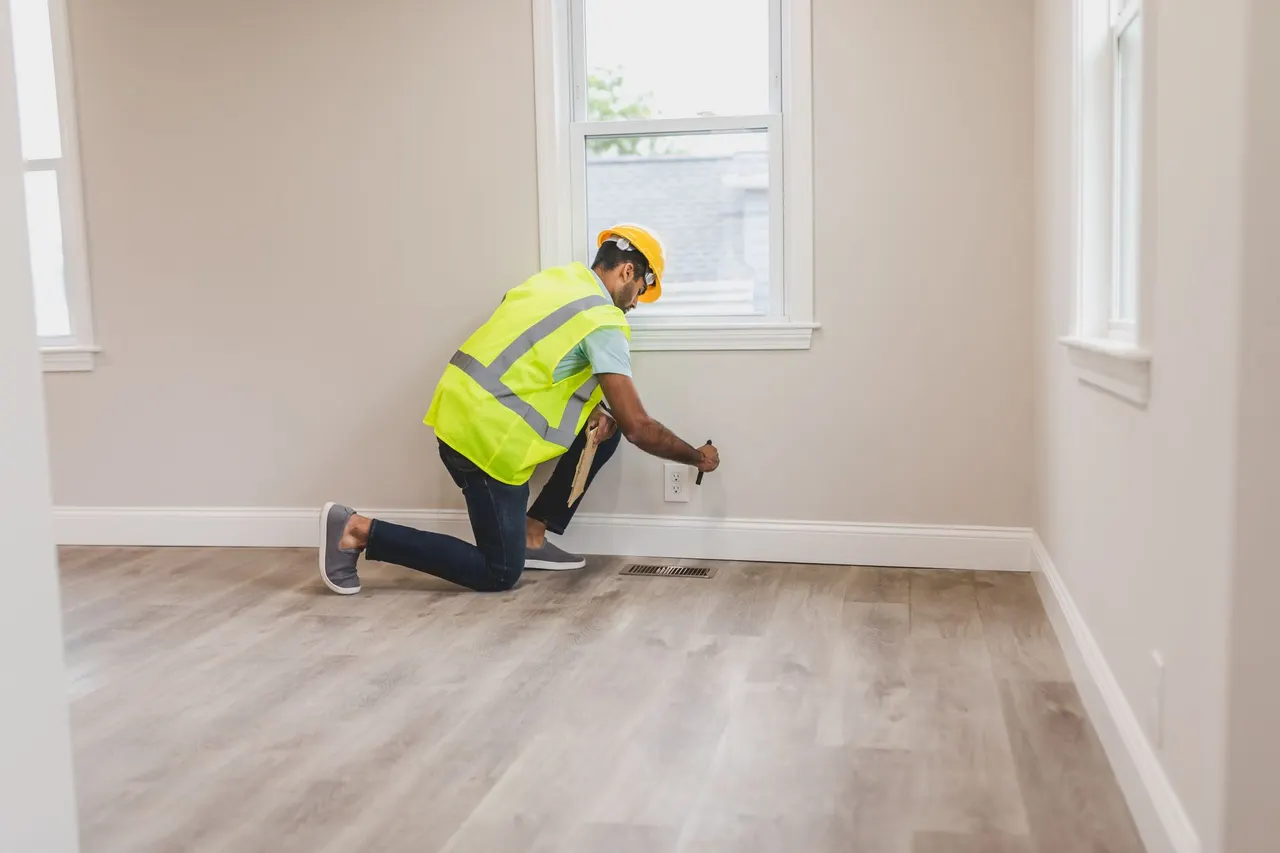
At arrival, a provider can walk the affected area with you, identify the apparent source, and check nearby rooms and levels. A provider can protect access paths and move contents where practical. A moisture meter helps locate damp materials beyond the visible edge, while an infrared thermometer can help compare surface conditions. Inspection time varies with the size and complexity of the loss.
Walk-through
Moisture check
Protect access
Extract standing water
A provider can use suitable extraction equipment to remove water from floors, carpet, and accessible low points. A sump pump may help with deeper basement water when safe and appropriate. A provider can keep you updated as the water level falls.
Water removal
Pump if needed
Progress update
Set drying equipment
After extraction, a provider can position air movers and a dehumidifier to support evaporation and moisture removal. A provider can consider material type, room layout, and airflow rather than placing equipment at random. You will hear the equipment running, and a provider can explain access and power needs. Initial drying often continues for 24 to 72 hours, with readings guiding adjustments.
Air movement
Humidity control
Equipment guidance
Recheck and plan repairs
A provider can return or check in to compare moisture readings and adjust equipment as materials dry. If drywall, insulation, or flooring remains wet, a provider can discuss appropriate removal or repair steps instead of covering damp areas. Ask the provider for a summary of observed conditions and recommended follow-up, which may include structural drying, cleaning, or reconstruction.
Reading review
Adjust setup
Repair plan
Squirrel HillSouth SideOakland
How water removal works around Pittsburgh
Emergency water extraction Pittsburgh properties need starts with the water source and the structure it has reached. Pittsburgh's November-to-winter freeze-thaw conditions can expose weak supply lines, while heavy rain can push water toward basements and older foundation walls. Row houses, multi-level homes, and commercial buildings also create concealed routes through ceilings, shared walls, and floor assemblies.
A provider can check beyond the first visible stain, especially when a lower level contains finished rooms or stored contents. For emergency water removal and drying in Pittsburgh Pennsylvania customers can expect extraction followed by moisture checks and a drying plan suited to the materials. A provider can work across Allegheny County and account for access, parking, narrow stairways, and occupied spaces when setting equipment.
ZIP code 15214 and 15282 are part of the service area, alongside neighborhoods throughout the city. A provider can explain what the provider can observe and identify when a source repair, sanitation, or reconstruction step must follow extraction.
Squirrel Hill: Older homes and finished lower levels can conceal water behind baseboards. A provider can check adjoining rooms after a visible leak or basement seepage.
South Side: Narrow row-house layouts can carry water between levels. A provider can inspect the floor and ceiling path, not only the room where the leak appeared.
Oakland: Multi-unit properties need clear access planning around shared halls and occupied spaces. A provider can coordinate equipment placement to keep the affected area defined.
North Shore: Commercial spaces may have large open floor areas and time-sensitive operations. A provider can map affected zones and discuss access during extraction and drying.
Freeze-thaw weather stressing older supply lines: A pipe can split in a wall or ceiling and release water into finished rooms before the leak is obvious. A provider can focus on source control and check below and beside the first visible damage.
Heavy rain pushing water into basements: Water can enter through foundation edges, floor joints, or a failed sump system. Depth and debris affect how extraction is performed, while stored contents and finished materials need separate assessment.
A provider can walk through affected rooms and explain the visible water path.
A provider can protect access, position equipment, and begin suitable extraction.
A provider can review readings, adjust drying, and explain follow-up work.
Problems emergency basement water removal in Pittsburgh can solve
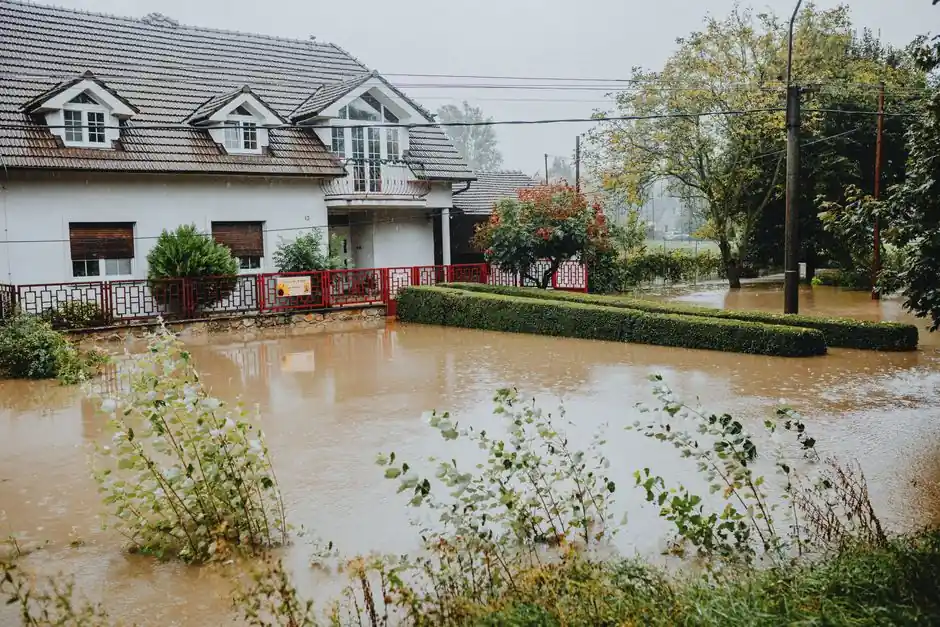
Water left in a Pittsburgh home can move beneath finishes, soak stored belongings, and leave odors after the visible puddle disappears. A provider can focus on removing water and identifying its path so the response addresses more than the surface. The sooner a provider can understand the source, the clearer the next steps become.
Basement spreadBasement water spreading across stored belongings and floor finishesWater can soak boxes, carpet, and lower wall materials while spreading toward adjoining rooms. Delayed removal leaves more surfaces wet and complicates drying. A provider can identify the entry area, remove standing water, and check nearby flooring and baseboards. If the water is deeper, a provider can evaluate whether pumping is needed before setting drying equipment. A provider can help you separate wet contents from unaffected items and explain whether the source points to seepage, a sump issue, or another failure.
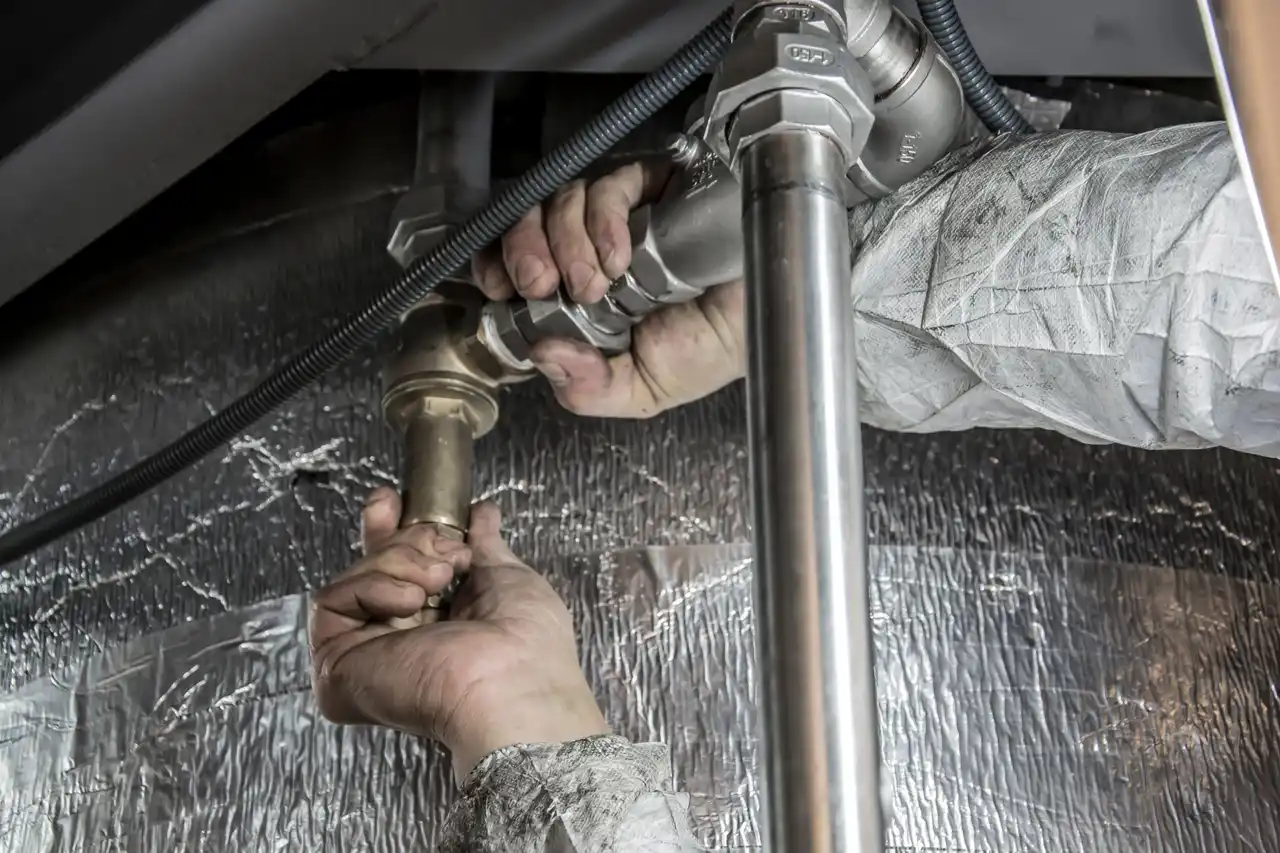
Burst pipeA burst pipe soaking ceilings, walls, and connected roomsWater can travel through framing and appear far from the broken line. A ceiling stain may grow while insulation and drywall remain wet out of sight. A provider can start by locating the affected path and confirming whether the water supply has been stopped. After extraction, a provider can check surrounding surfaces and identify areas that need drying or opening for inspection. Ask the provider for a practical sequence for handling the wet room, adjoining spaces, and necessary repairs.
Sewage backupSewage backup leaving contaminated water indoorsContaminated water can expose floors and contents to harmful material, while ordinary household cleanup may spread contamination into clean areas. A provider can isolate the affected area, remove water using appropriate handling practices, and identify surfaces requiring cleaning and sanitation. A provider may not treat sewage like a clean pipe leak. You will know which rooms and belongings need restricted access while cleanup and follow-up work proceed.
Ceiling leakRoof leak leaving hidden moisture above ceiling stainsA small stain can conceal wet drywall or insulation that continues to deteriorate after rain stops. Moisture can also spread along framing into another room. A provider can assess the ceiling and nearby surfaces, extract accessible water, and check the surrounding area for moisture. Once the roof source is addressed, a provider can explain whether drying, selective removal, or ceiling repair is needed. This prevents a cosmetic patch from hiding unresolved wet material.
What prompt removal changes
Less standing water, clearer drying priorities, and practical next steps.
Less water spread
A provider can remove accessible standing water before it wicks farther into carpet, padding, baseboards, and nearby rooms. A provider can mark the wet boundary and check adjoining materials, helping you avoid treating only the obvious puddle.
Measured drying plan
A moisture meter and hygrometer help the provider track materials and indoor humidity as drying proceeds. A provider can position air movers to circulate air across wet surfaces and use a dehumidifier to remove moisture from the room. Ask the provider for a clear explanation of what is wet, what is being dried, and when readings need another check.
Earlier source control
A pipe burst, appliance leak, or roof leak needs attention at its source as well as at the visible water. A provider can help identify where water is entering and coordinate the immediate extraction sequence. If the source is still active, stopping or containing it prevents fresh water from undoing the cleanup.
Safer contents handling
Wet rugs, boxes, and furniture can block access to affected flooring and hold moisture against surfaces. A provider can move or protect items where practical, separate salvageable contents from water-damaged materials, and document visible conditions. That gives you a more organized path from emergency water removal services Pittsburgh PA to drying and repairs.
Extraction and drying differ
Removing visible water is the urgent first step; drying checks whether moisture remains inside materials.
Standing water
Water visible on floors or in low areas.
Pump deeper water when suitable
Extract accessible floor water
Check adjacent rooms
Material moisture
Water held in flooring, walls, or contents.
Compare readings over time
Assess hidden edges
Identify materials needing removal
Drying conditions
Airflow and humidity management after extraction.
Position air movers
Use dehumidification
Recheck affected materials
Materials a provider can assess
Drywall
Insulation
Hardwood
Laminate
Carpet
Padding
Baseboards
Concrete
Areas near Pittsburgh
Choose your area for first steps and questions to ask. Availability depends on the independent provider.
Availability is set by each independent provider and depends on your address and the time of your call. No arrival time is guaranteed. Call (855) 920-5307 and ask the provider when they can come. If anyone is in danger, call 911 first.
There is no fixed price. It depends on the water source, contamination, affected area, materials removed, drying time and repairs. The independent provider sets its own price, so ask for a written estimate before work starts. Using this referral service is free.
Emergency water removal is the prompt extraction of unwanted water after a leak, flood, or backup, followed by an assessment of wet materials. Call when water is standing, spreading, or soaking flooring, walls, or belongings. A small appliance leak can affect cabinets and subfloor even after the puddle is wiped up. A provider can check the source and surrounding area, then explain whether extraction, drying, sanitation, or repairs are appropriate.
Availability is set by each independent provider and depends on your address and the time of your call. No arrival time is guaranteed. Call (855) 920-5307 and ask the provider when they can come. If anyone is in danger, call 911 first.
Tell the provider where the water is, what caused it, and whether it is still flowing. A provider can help you identify immediate safety steps and explain the extraction process. Call (855) 920-5307 to discuss your Pittsburgh property.
Request a quote and a local provider can reach out to you. You can also call (855) 920-5307. Calls may be recorded for quality.
Pittsburgh Water Damage Fix is a free referral service that connects callers with independent, local water damage providers. We are not a contractor. Calls may be recorded for quality. Providers set their own prices, availability and credentials; ask them to confirm before work starts. See our privacy policy.
Call to describe the water source, the affected rooms and your ZIP code.