
Pittsburgh Water Damage Services
The provider's services cover the first emergency response through drying, cleanup, and rebuilding after water affects your property. For water damage repair in Pittsburgh Pennsylvania, a provider can address the source when possible, extract water, and assess drywall, carpet, hardwood flooring, and insulation.
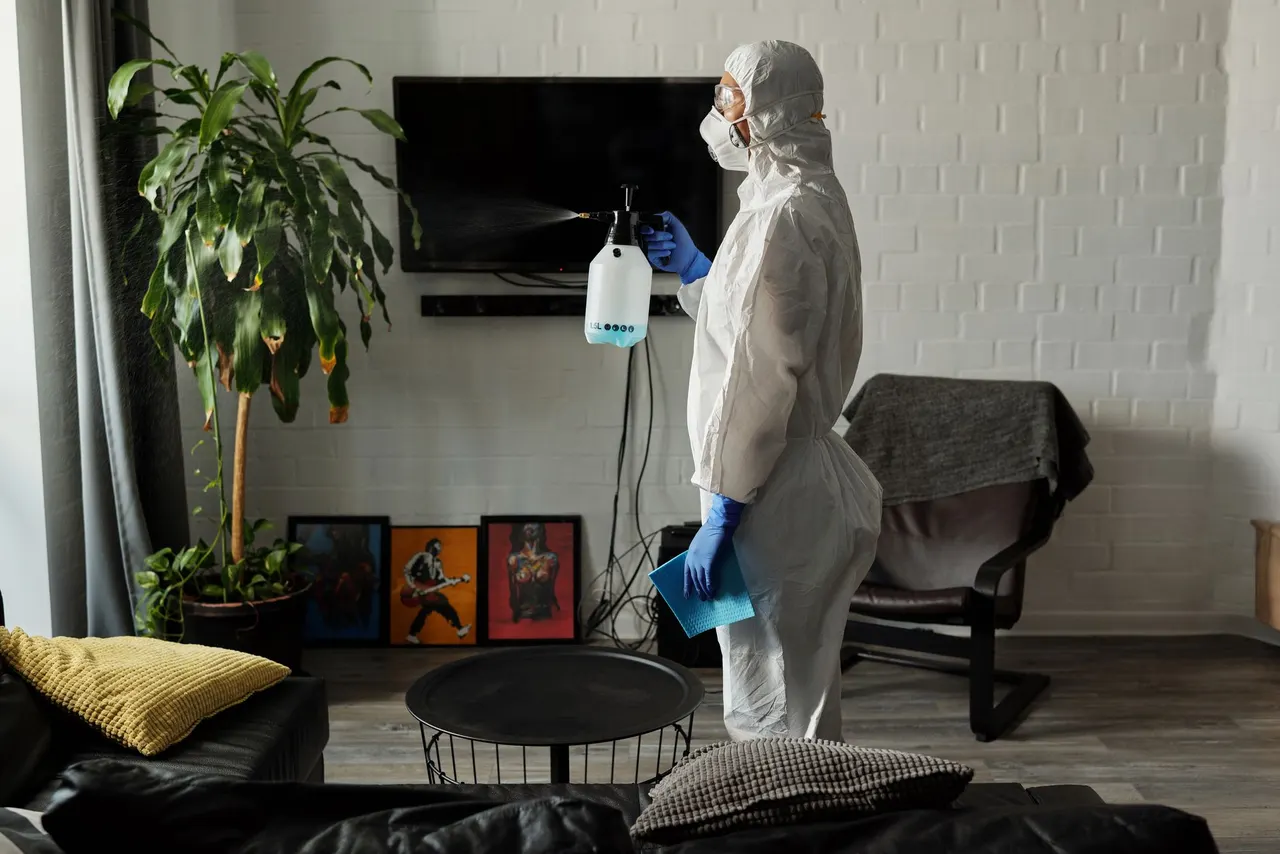
Pittsburgh Water Damage Services
The provider's services cover the first emergency response through drying, cleanup, and rebuilding after water affects your property. For water damage repair in Pittsburgh Pennsylvania, a provider can address the source when possible, extract water, and assess drywall, carpet, hardwood flooring, and insulation.
Water Damage Restoration
A provider can remove standing water, identify affected materials, and organize drying and repairs after a leak or flood.
Flood Damage Cleanup
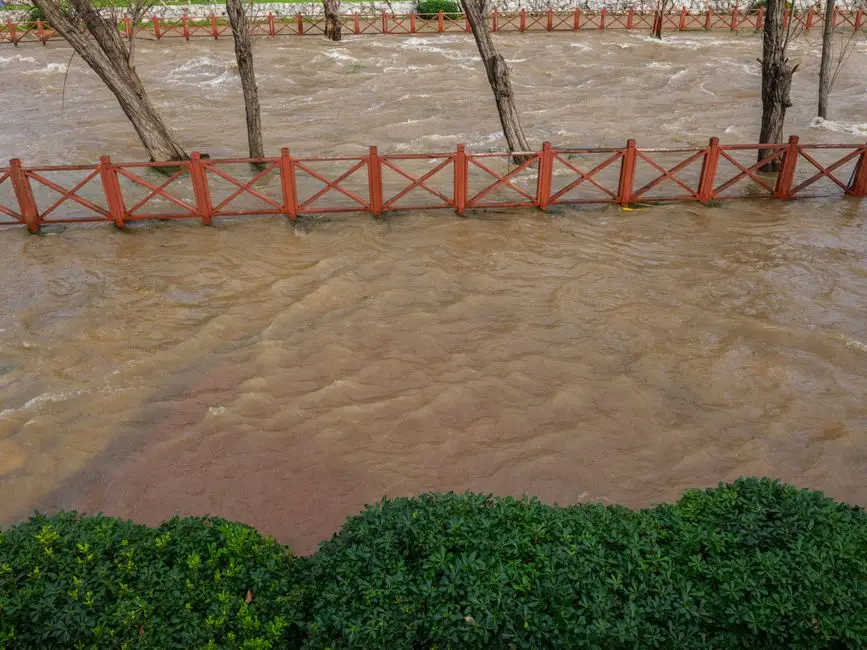
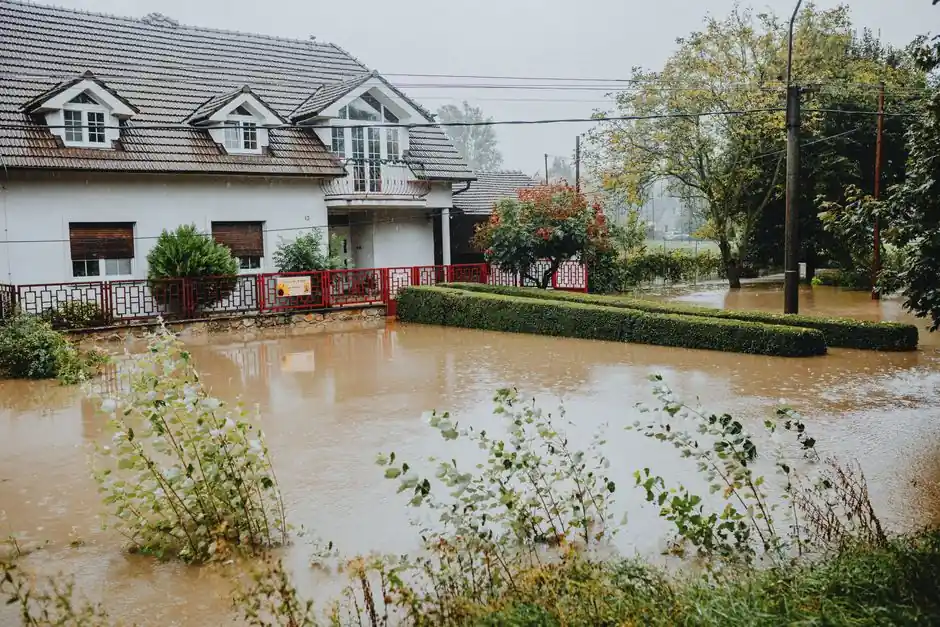
Flood cleanup addresses water on floors, contaminated debris, and materials that cannot be safely dried in place. A provider can separate affected contents, extract water, and assess carpet, padding, and baseboards.
Emergency Water Removal
A provider can pump and extract standing water from homes and commercial spaces, then check remaining moisture in floors and wall edges.
Sewage Backup Cleanup
A sewage backup requires isolation, removal of contaminated water, and cleaning of affected surfaces.
Basement Water Damage Repair
Basement work can involve water removal, wall and floor drying, damaged drywall, and checks for foundation seepage.
Crawl Space Water Damage Repair
A provider can address standing water and damp materials beneath the home, then assess insulation, wood framing, and vapor barriers. Crawl space moisture can create persistent musty odors and affect floors above.
Roof Leak Water Damage Repair
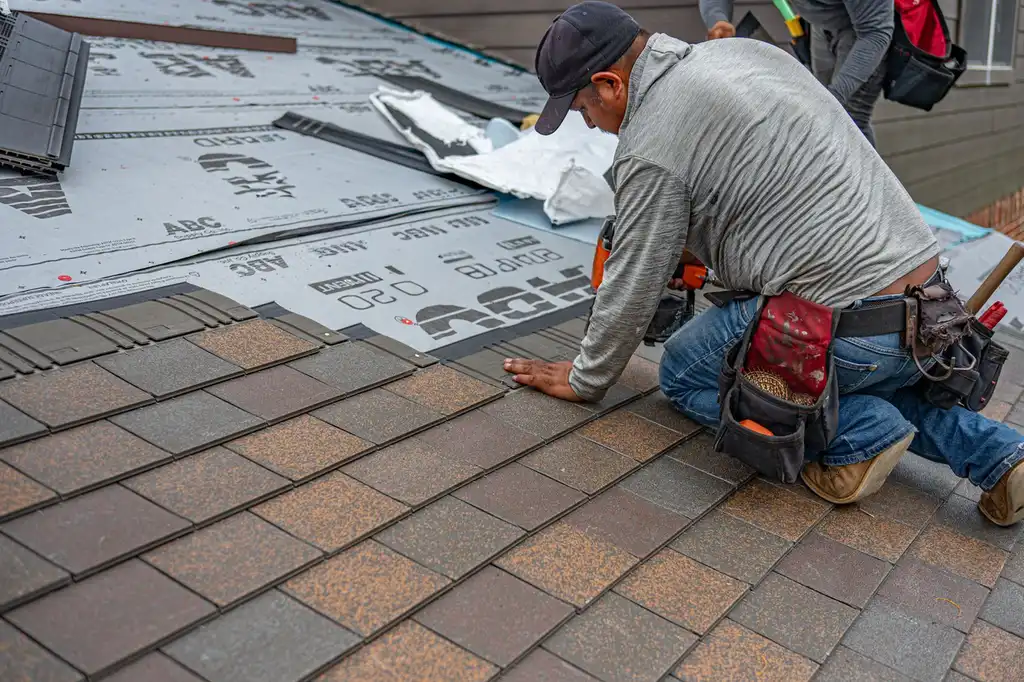
After a roof leak, a provider can trace interior staining, remove wet materials when needed, and dry affected ceilings and walls.
Pipe Burst Water Damage Repair
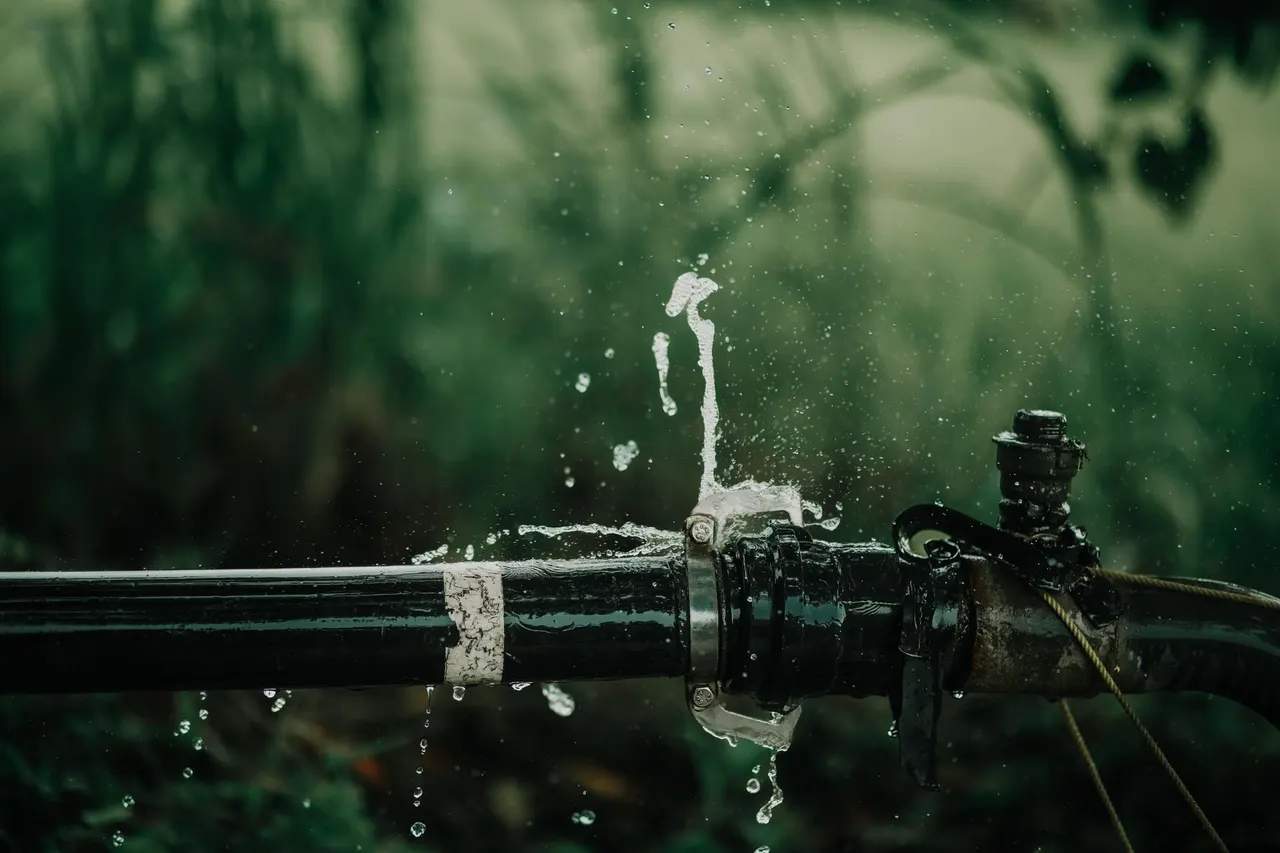
A burst pipe can soak several rooms before the water is shut off.
Appliance Leak Water Damage Repair
Dishwashers, refrigerators, and washing machines can release water under cabinets or across a floor. A provider can extract water, inspect nearby toe kicks and subfloor areas, and dry materials that remain serviceable.
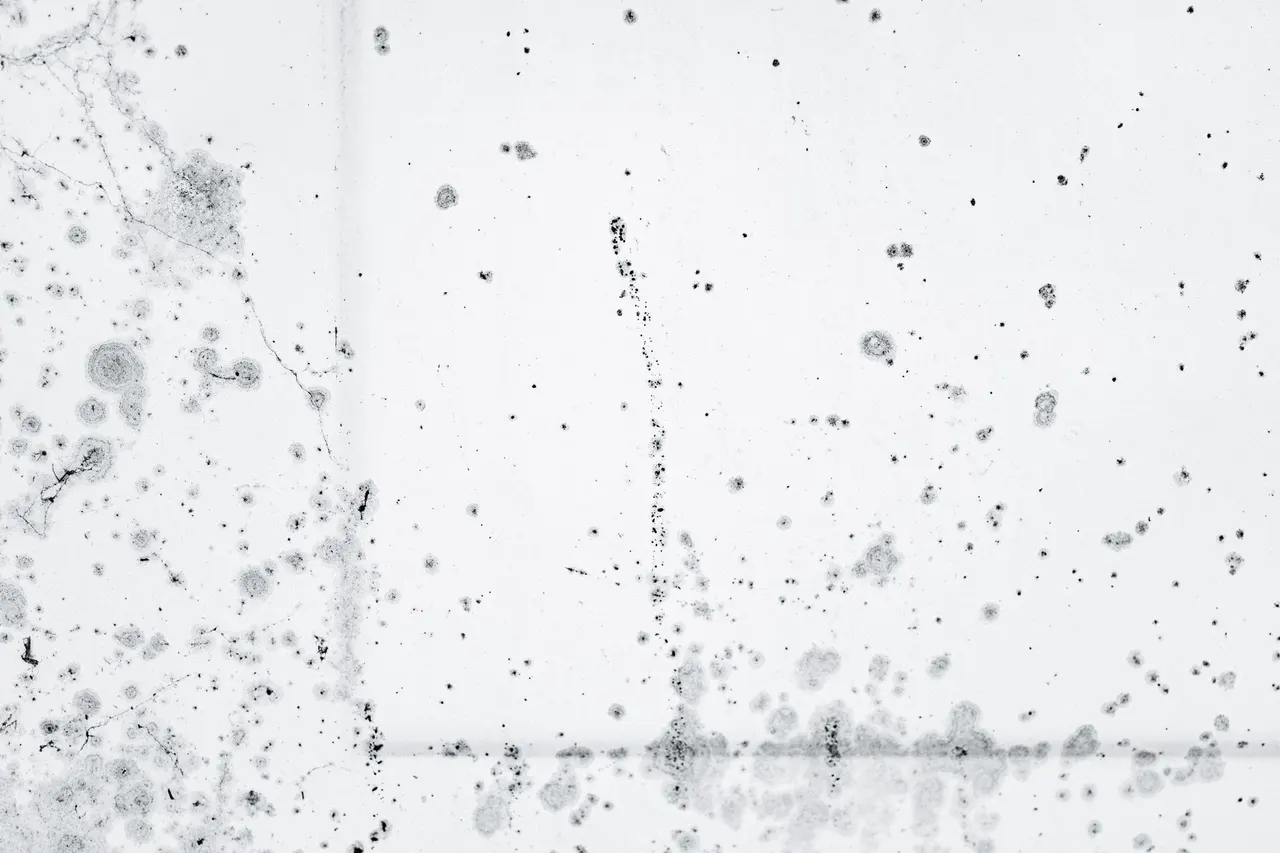
Mold Remediation
Mold remediation addresses visible mold growth and the moisture conditions that allow it to persist. A provider can isolate the affected work area, remove unsalvageable materials where required, and clean remaining surfaces.
Mold Inspection and Testing
A provider can inspect reported mold concerns, look for moisture sources, and explain whether sampling is appropriate for the situation.
Structural Drying
Structural drying targets moisture in framing, wall cavities, subfloors, and other building materials.
Content Cleaning and Restoration
A provider can sort affected belongings, identify items suited to cleaning, and separate those needing specialized restoration.
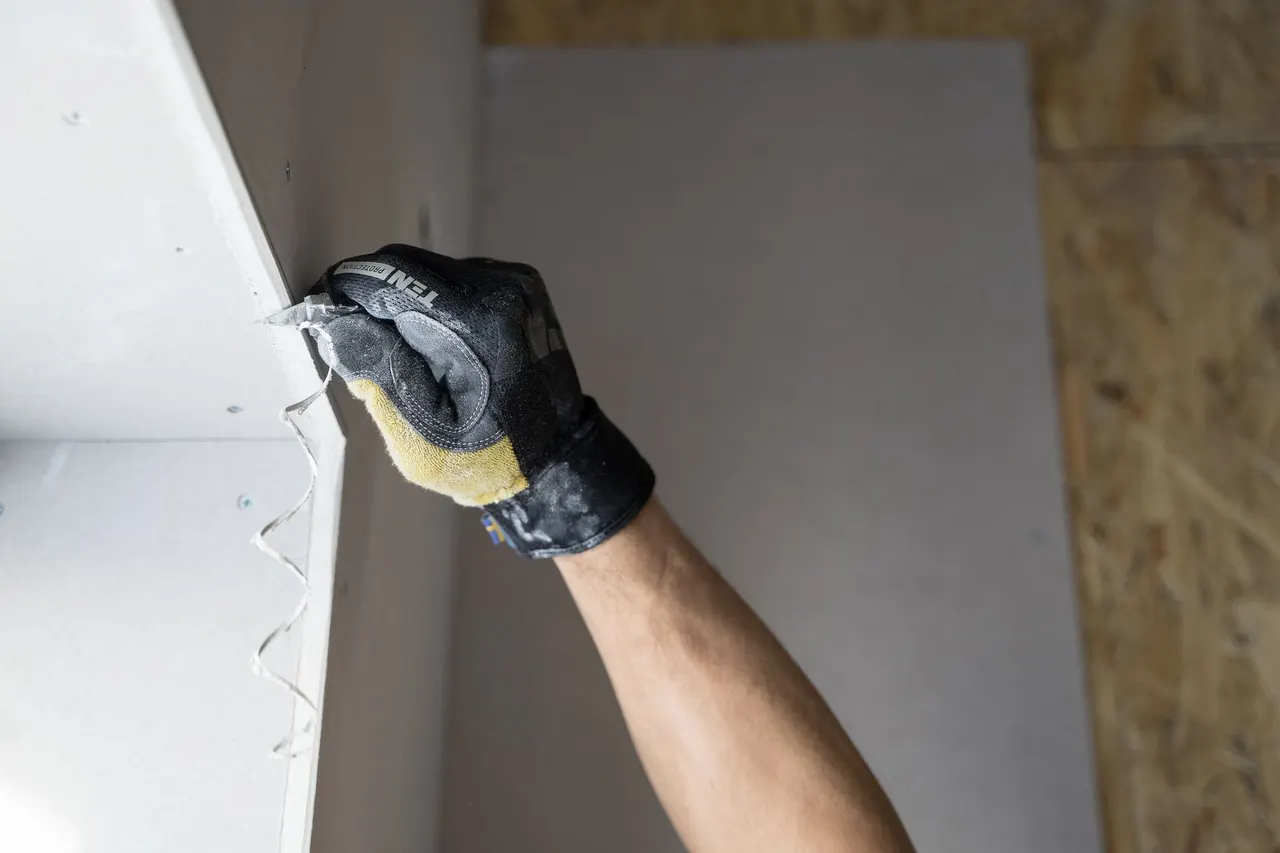
Drywall Water Damage Repair
A provider can remove or repair drywall affected by leaks, staining, or swelling, then address the cause and dry the cavity.
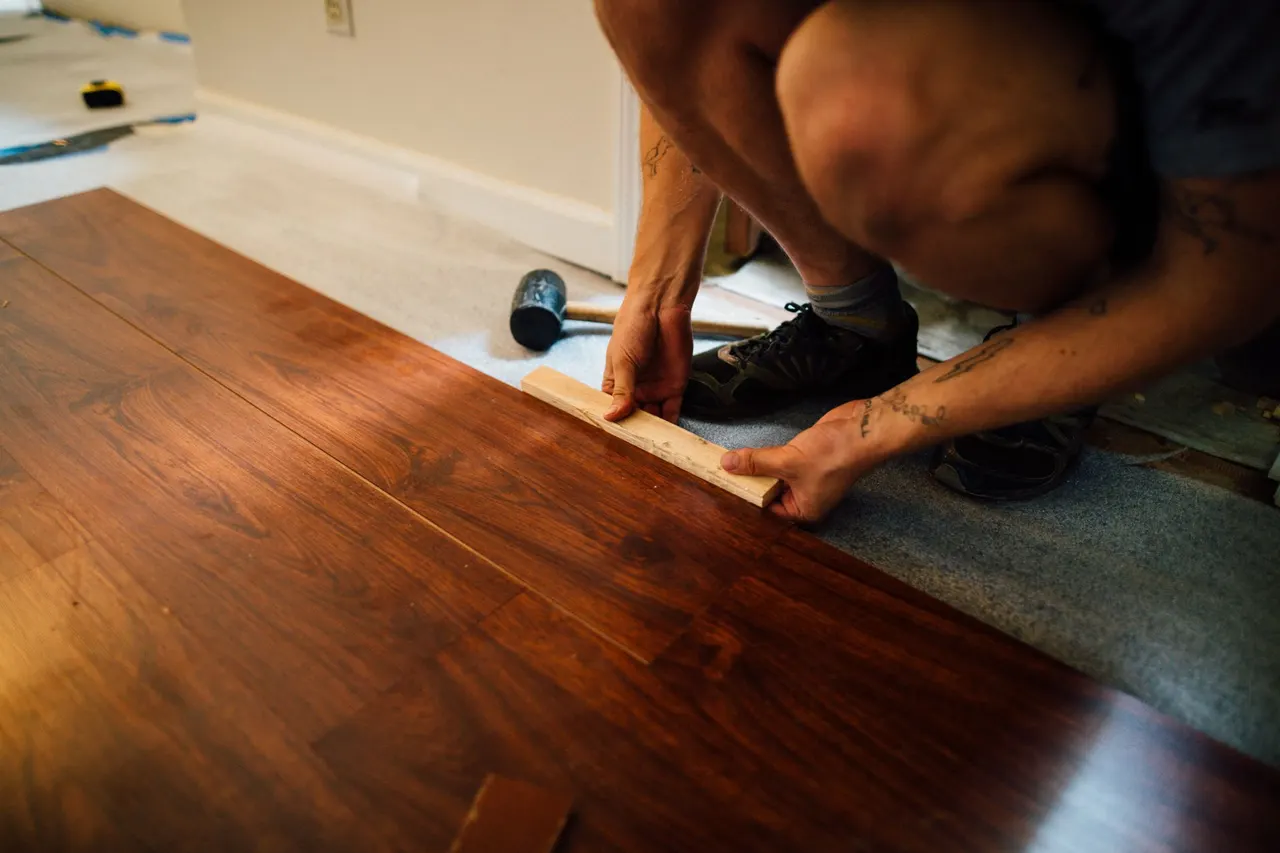
Flooring Water Damage Repair
Flooring repair depends on the material, water exposure, and condition of the subfloor. A provider can assess hardwood flooring, laminate flooring, and concrete separately because each responds differently to moisture.
Commercial Water Damage Restoration
A provider can help Pittsburgh businesses address water intrusion in offices, retail spaces, and other commercial properties. The response can include extraction, drying, content handling, and repair planning around affected areas.
How Restoration Work Proceeds
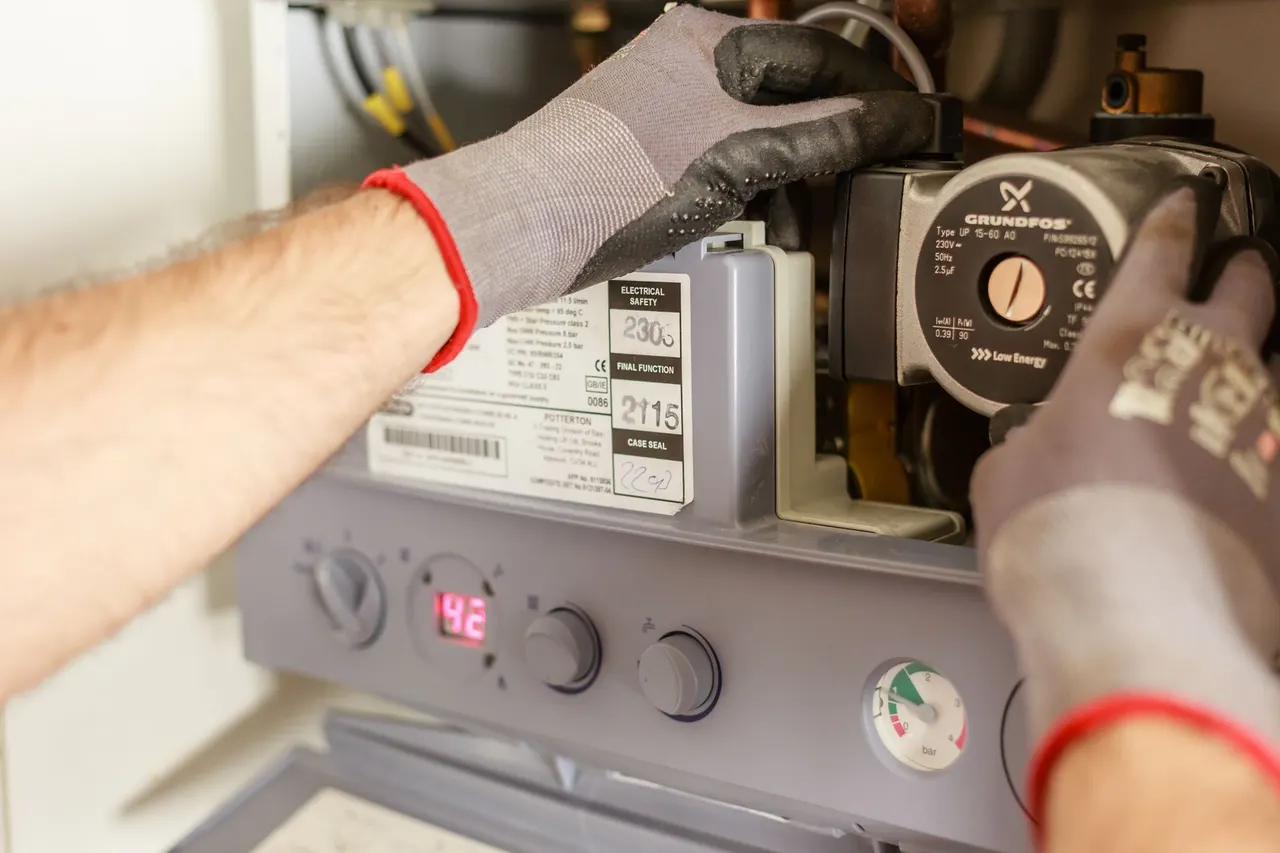
Water damage restoration in Pittsburgh projects follow a clear sequence: control the source, remove water, dry affected materials, then repair what cannot be restored. A provider can keep you informed at each stage and adjust the plan when readings or conditions change.
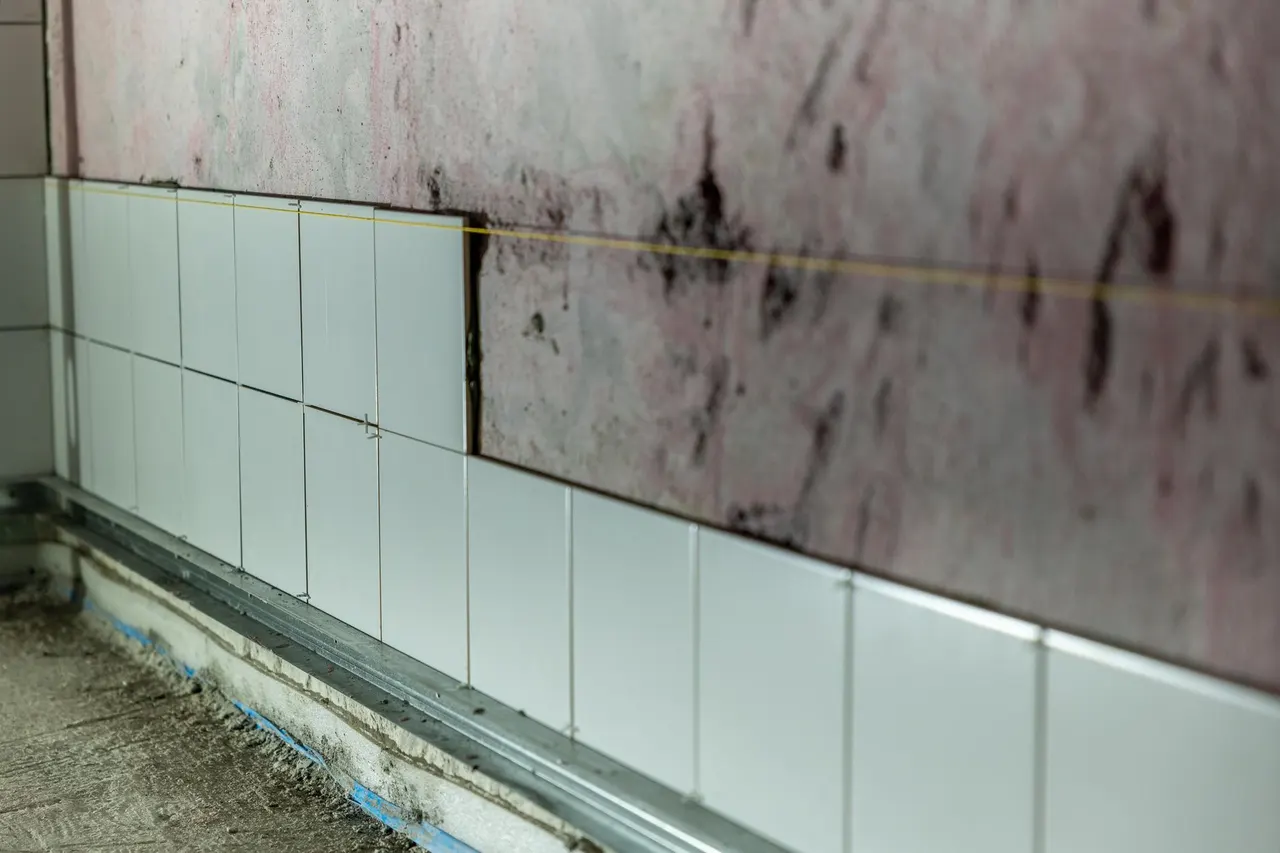
Assess the Damage
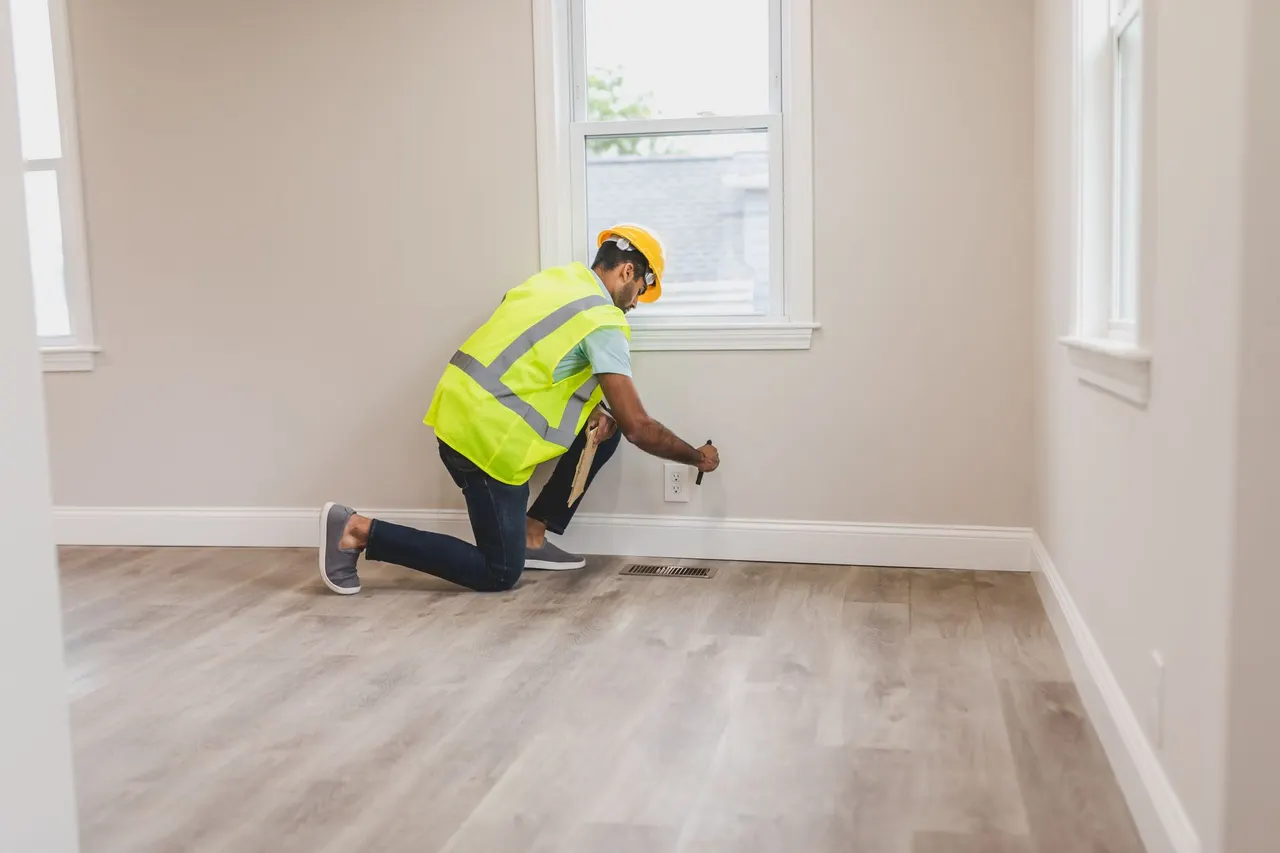
A provider can ask how the water entered, when it began, and which rooms are affected. Then a provider can inspect visible damage and check surrounding materials for moisture. Ask the provider for a straightforward explanation of urgent concerns, including electrical hazards or contamination that needs to be addressed first.
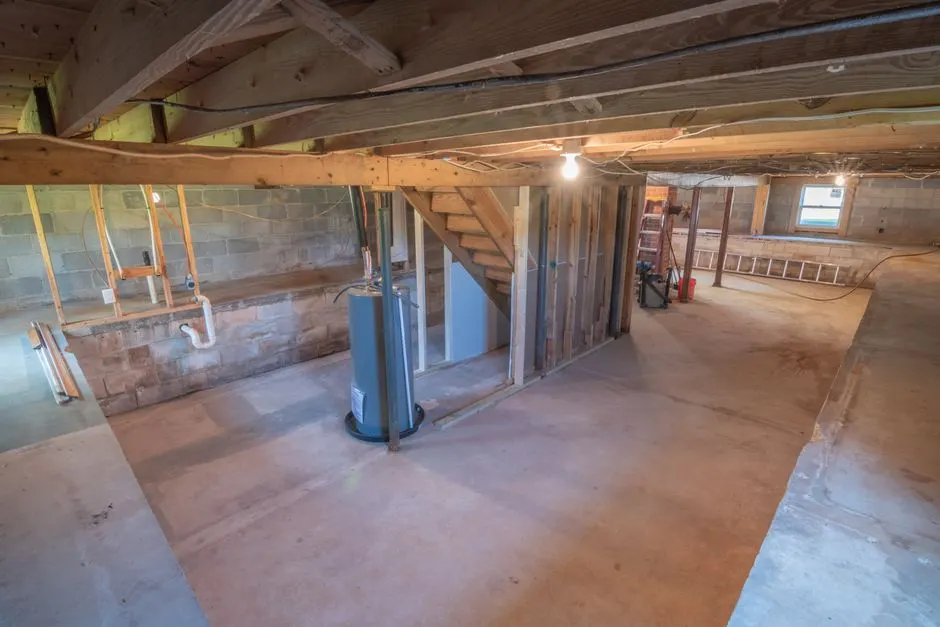
Extract and Protect
A provider can remove standing water and move or protect contents where practical. The crew identifies materials that need removal, then places drying equipment to support airflow and humidity control. You will know which areas are being treated and what access should remain clear.
Monitor Drying
A provider can return to check readings and adjust equipment as conditions change. Drying targets depend on the material and the extent of water exposure, so progress is based on measurements rather than a fixed number of days. A provider can explain what the readings mean in everyday terms.
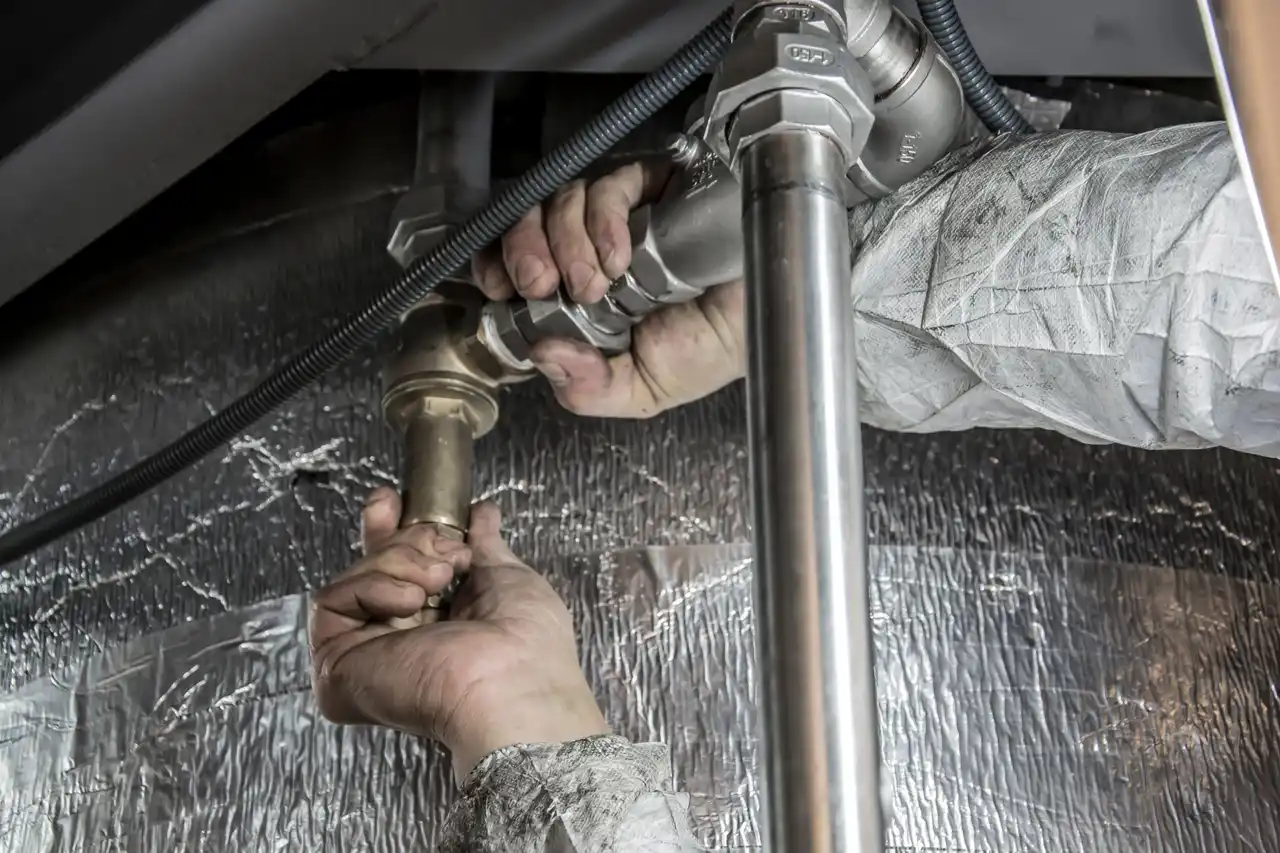
Repair and Restore
After the affected structure is dry enough for the next stage, a provider can address damaged drywall, flooring, trim, or insulation. A provider can coordinate finish repairs with the drying work and review the completed areas with you. The goal is a usable space with the water source and damage properly addressed.
Water damage restoration in Pittsburgh FAQs
These answers cover common questions Pittsburgh property owners ask after a leak or flood. Costs and timelines depend on the water source, affected materials, and how far moisture traveled.
Still have a question?
Call and describe what you are seeing to ask about a local provider.
(855) 920-5307There is no fixed price. It depends on the water source, contamination, affected area, materials removed, drying time and repairs. The independent provider sets its own price, so ask for a written estimate before work starts. Using this referral service is free.
Choose a water damage restoration company in Pittsburgh that explains the source, documents moisture checks, and lays out drying and repair steps clearly. Ask how the crew handles contaminated water, what equipment will be used, and how progress is monitored. Look for relevant credentials such as IICRC WRT where applicable, and confirm the company can explain its proposed work in plain language. The right fit is the team that answers your specific questions directly.
If it is safe, stop the water source and keep people away from standing water near electrical equipment. Do not enter a flooded basement if outlets, appliances, or wiring may be submerged. Move valuables only when safe, take photos, and call for water removal. Share whether the water came from rain, a pipe, or a sewer backup; that detail affects cleanup and material handling.
Availability is set by each independent provider and depends on your address and the time of your call. No arrival time is guaranteed. Call (855) 920-5307 and ask the provider when they can come. If anyone is in danger, call 911 first.
Choose a water damage repair company in Pittsburgh that inspects beyond visible stains, explains equipment placement, and checks moisture as drying progresses. Ask who will handle removal, cleaning, and reconstruction, and how the work is documented. For a larger loss, confirm how contaminated materials are treated and what credentials apply to the job. Clear answers help you compare plans based on the damage, not just a headline price.
Call for Water damage restoration in Pittsburgh
(855) 920-5307Tell the provider where the water is, what caused it, and whether it is still entering. A provider can help you identify the next practical step and explain how water removal, drying, and repair fit together.
Tell Us About Your Water Damage
Request a quote and a local provider can reach out to you. You can also call (855) 920-5307. Calls may be recorded for quality.
Pittsburgh Water Damage Fix is a free referral service that connects callers with independent, local water damage providers. We are not a contractor. Calls may be recorded for quality. Providers set their own prices, availability and credentials; ask them to confirm before work starts. See our privacy policy.
Call to describe the water source, the affected rooms and your ZIP code.