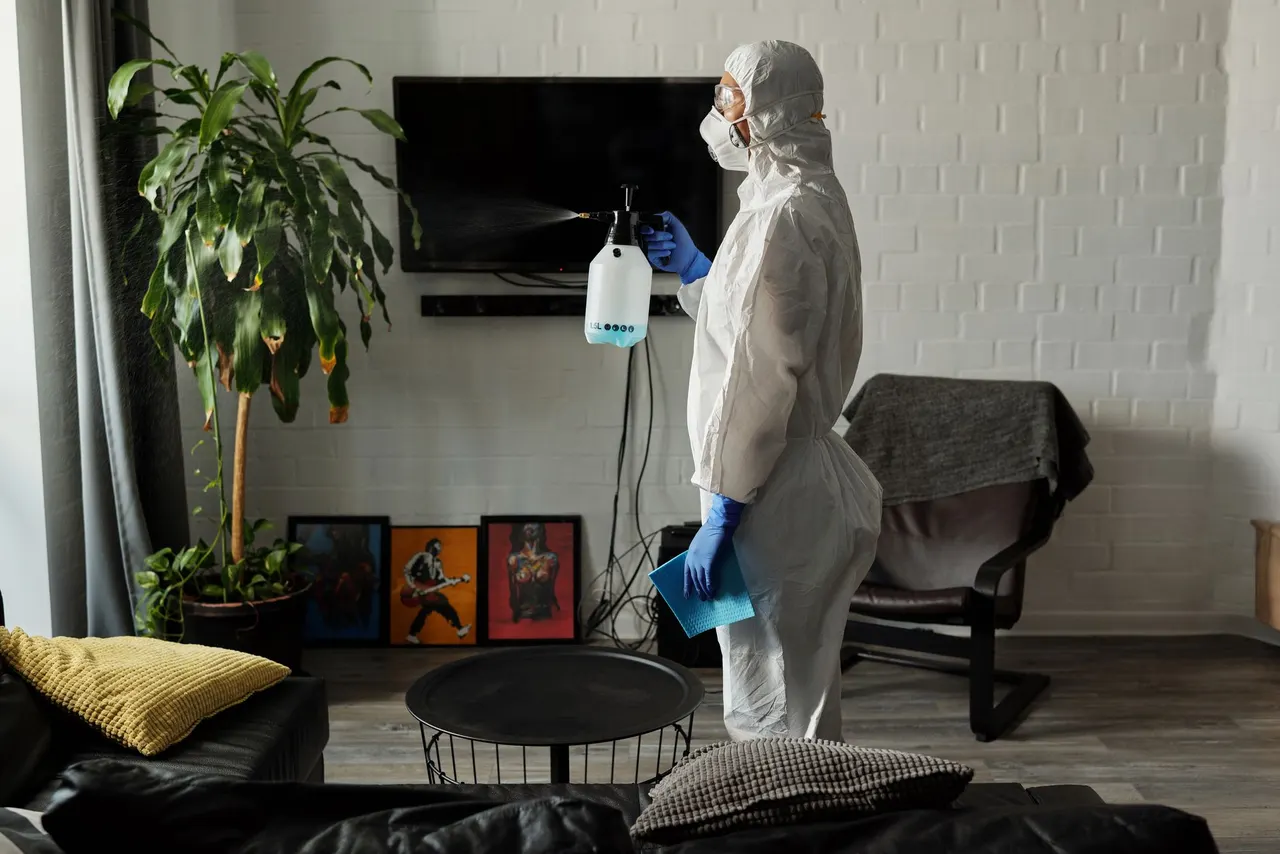
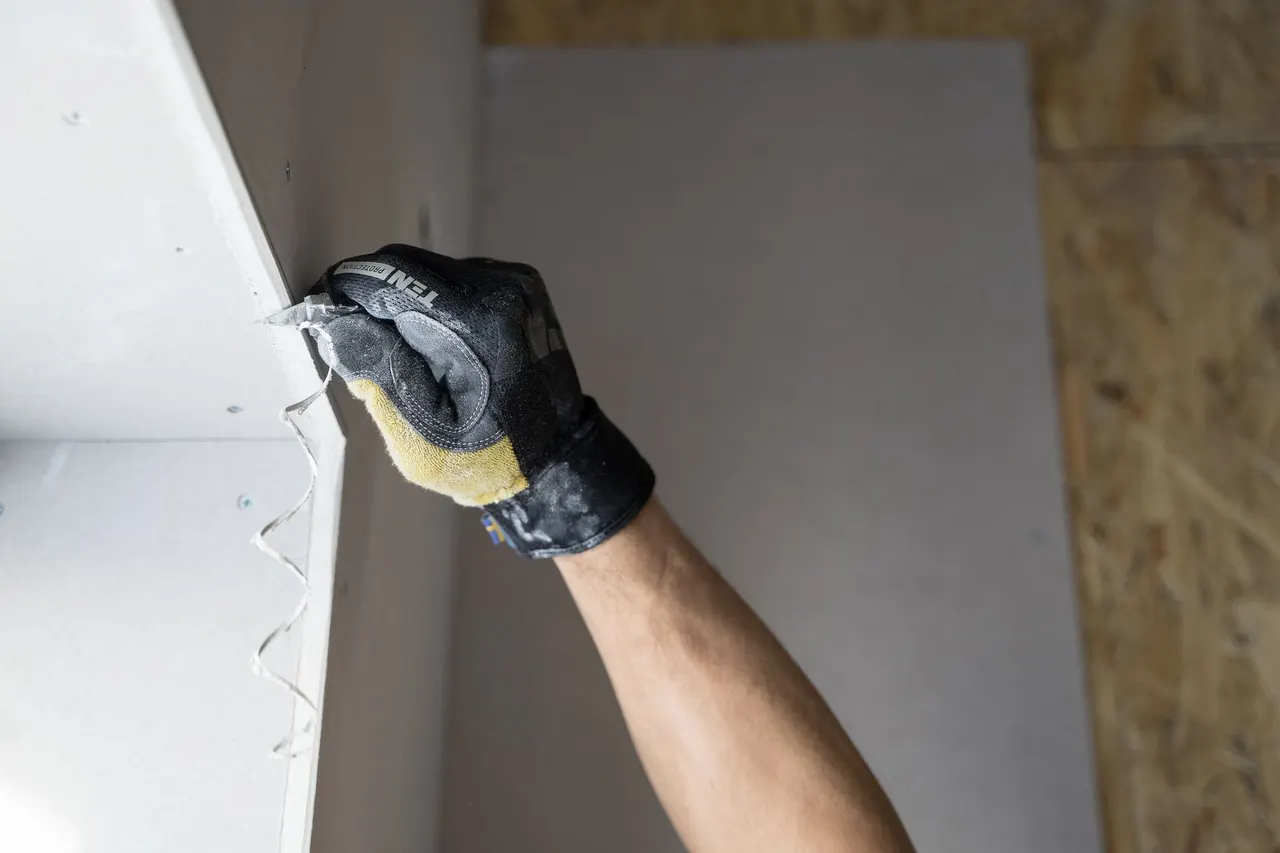
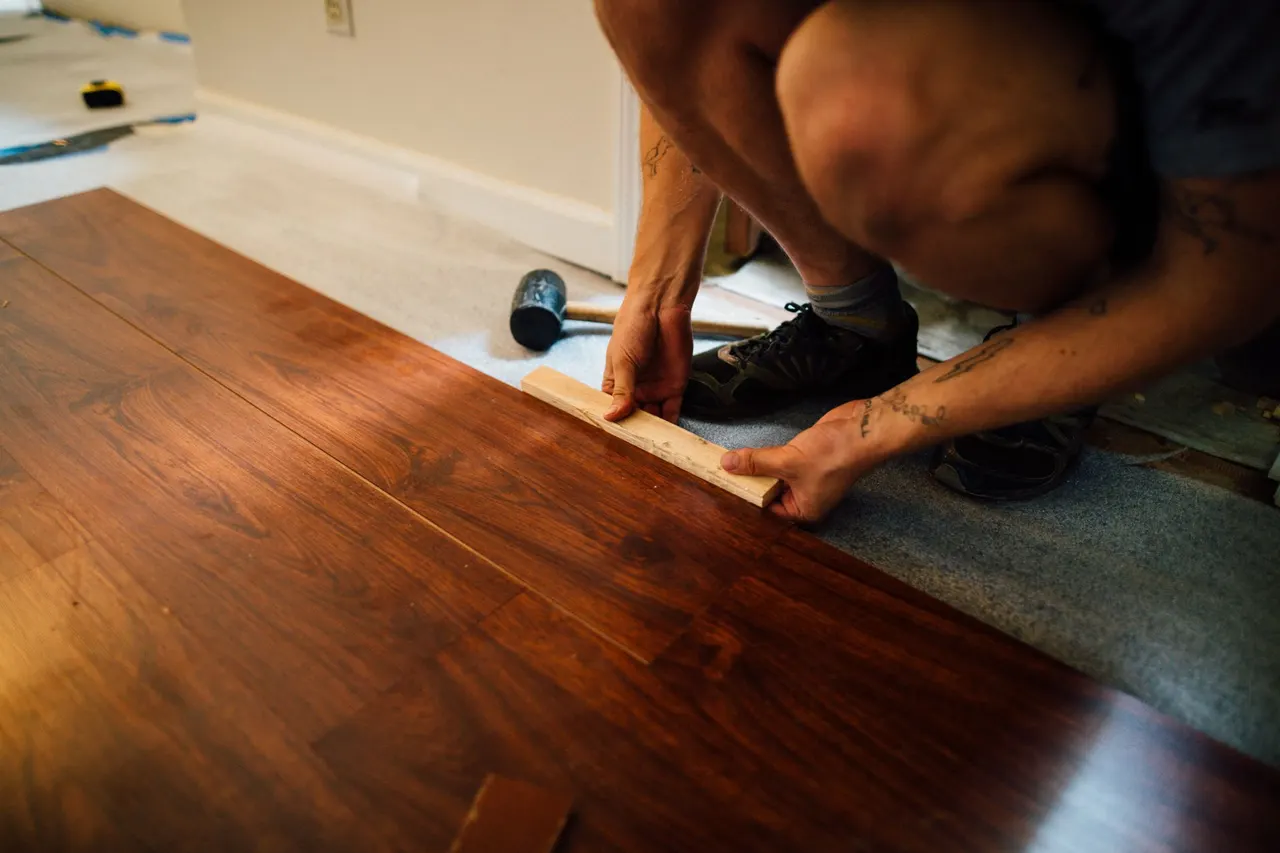
Mold remediation in Pittsburgh helps homeowners and property managers address visible mold, musty odors, and moisture-damaged building materials. A provider can trace the water source, contain the work area, remove affected porous materials when needed, and dry the structure. If a pipe burst, basement flooding, or roof leak has left damp drywall or flooring, prompt action limits further damage and gives you a clear path from inspection through repair.
Mold remediation covers assessment of moisture and visible damage, protection of the work zone, cleaning or removal of affected materials, and drying checks. The exact work depends on the source and what the inspection finds. Leak repair, extensive reconstruction, and independent laboratory testing are separate tasks when the property needs them; a provider can explain how they fit into the overall restoration plan.
Moisture assessment
A provider can inspect the visible area and nearby building materials to locate dampness and likely water pathways. Readings help establish where cleanup and drying should focus, including areas that extend beyond the stain or odor you first noticed.
Work-area containment
A provider can define the affected work zone and protect nearby rooms and belongings before disturbing material. Containment is adjusted to the size and location of the job, with a clear route for equipment and debris.
Cleaning and removal
A provider can clean suitable surfaces and remove porous materials that are too damaged or affected to restore effectively. The decision is based on the material and observed conditions, not an automatic removal of every nearby finish.
Structural drying checks
A provider can use drying equipment where needed and take follow-up readings to track the affected structure. Those checks help determine whether the materials are ready for repair or need more drying time.
Work documentation
Photos and moisture notes help you follow the job and coordinate later reconstruction or property records.
Homes and businesses.
The approach is the same for a home and a business. What changes is the access, the schedule and who needs the paperwork.
Homes and rentals
A provider can help homeowners and tenants address mold after leaks, seepage, or flooding. You will know which rooms are affected and how cleanup fits the repair.
Basement wall seepage
Pipe leak behind drywall
Wet carpet after flooding
Business properties
A provider can coordinate with owners and property managers to identify affected spaces and plan access. You can track cleanup, drying, and repair needs across occupied buildings.
Tenant-area water damage
Office ceiling leak
Basement storage moisture
Mold remediation in Pittsburgh explained
A plain-language look at what Mold Remediation involves and when it is needed.
Mold remediation in Pittsburgh is a building-restoration service that identifies moisture, controls affected areas, removes contaminated materials when necessary, and dries the structure to reduce conditions supporting mold growth. A provider can start by checking visible staining, odor, and moisture patterns, then use measurements to guide the work rather than relying on appearance alone. A moisture meter and thermal imaging camera help locate damp areas behind finishes. A provider can isolate the work zone, remove material that cannot be cleaned effectively, and clean remaining surfaces before verifying drying progress.
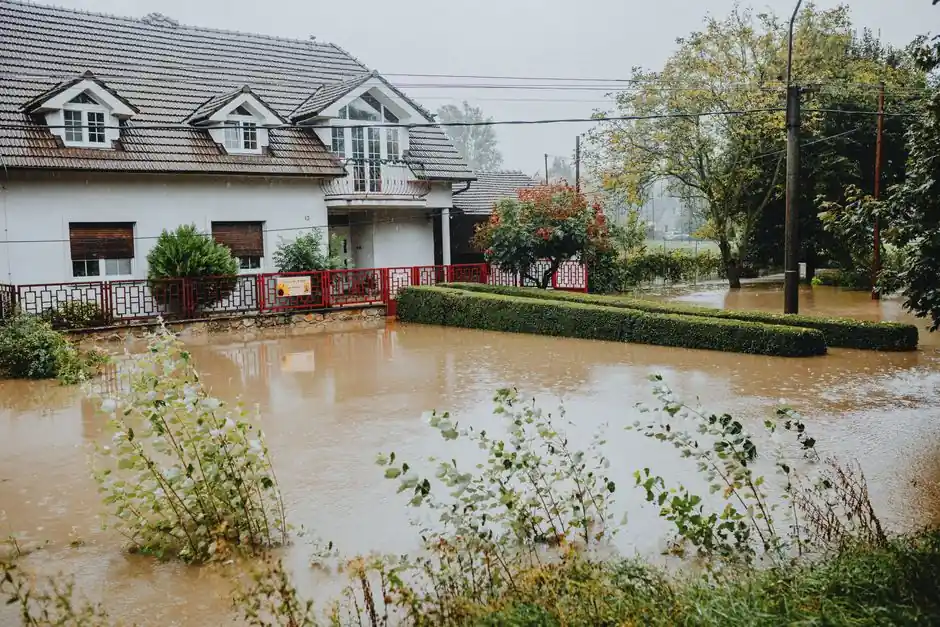
Pittsburgh homes face recurring moisture problems after basement flooding, roof leaks, appliance leaks, and pipe bursts, especially when water reaches insulation or wall cavities. In older homes, layered finishes and limited airflow can hide damp framing long after a surface looks dry. The provider's mold removal in Pittsburgh work begins with the source, not just the stain. If you are searching for a mold remediation company Pittsburgh PA residents can call after a leak, a provider can inspect the affected area and explain the practical next steps.
What it is
A process to assess moisture, contain work, clean or remove affected materials, and dry the structure.
When needed
After visible growth, persistent musty odor, or water damage that leaves materials damp.
What to expect
Inspection, protected cleanup, moisture checks, and a clear path to needed repairs.
What to expect during service
Mold remediation in Pittsburgh follows a practical sequence: inspect, contain, remove or clean, dry, then review the results. A provider should explain the findings before work moves into the next phase, and a provider can keep you informed about access, equipment, and daily progress.
Inspect and trace
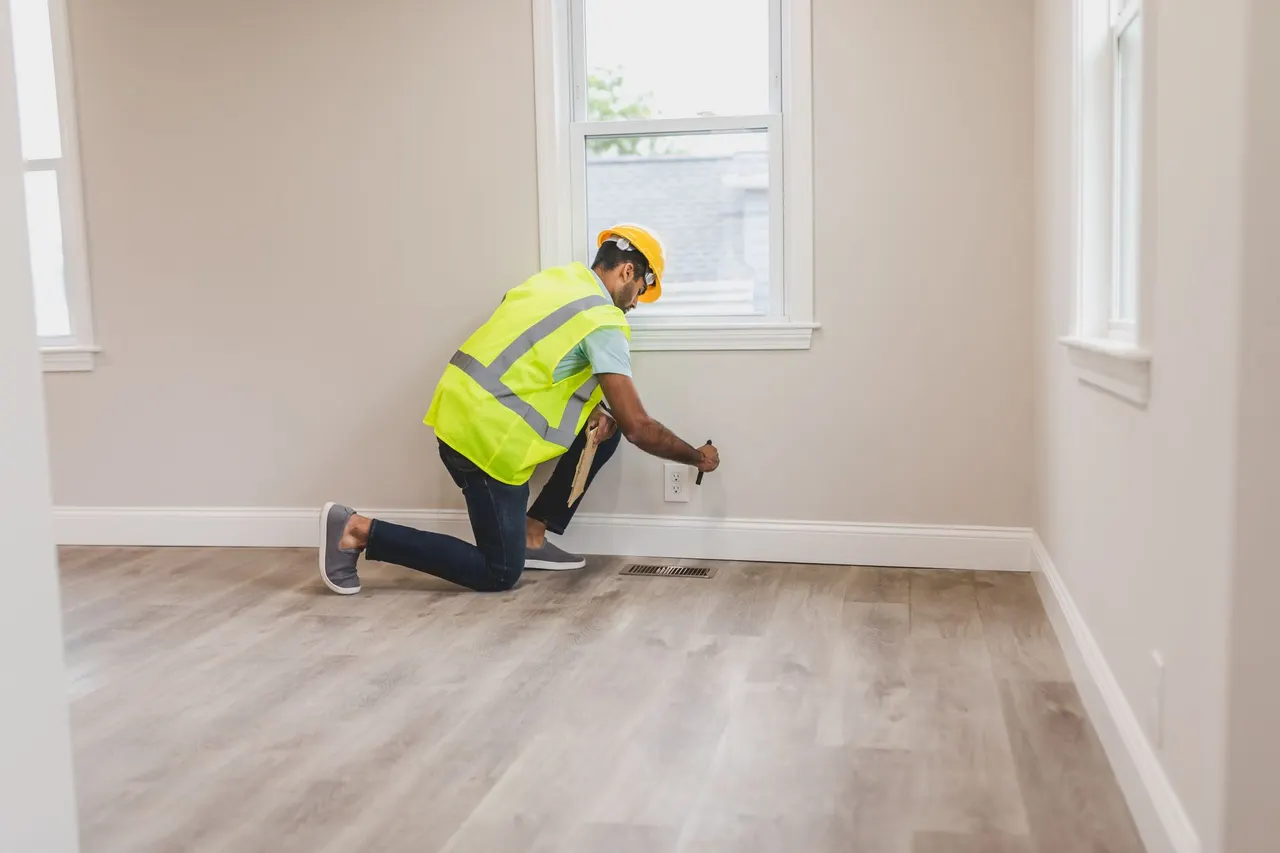
On arrival, a provider can walk through the affected rooms with you, ask when the leak or odor began, and check nearby plumbing, ceilings, and flooring. A moisture meter helps map damp material; an inspection camera can look into selected cavities.
Walk-through
Moisture map
Source check
Protect and contain
Before disturbing affected material, a provider can set up barriers and protect the route used to move equipment and debris. A provider can identify a work boundary, discuss which rooms remain accessible, and cover nearby belongings.
Room protection
Work boundary
Access plan
Remove or clean
A provider can remove unsalvageable porous materials and cleans suitable structural surfaces using methods matched to the material and contamination. A provider can bag debris at the work area and avoid carrying loose material through living spaces. A typical contained removal may take one day; larger or multi-room projects take longer.
Material review
Cleaning
Selective removal
Dry the structure
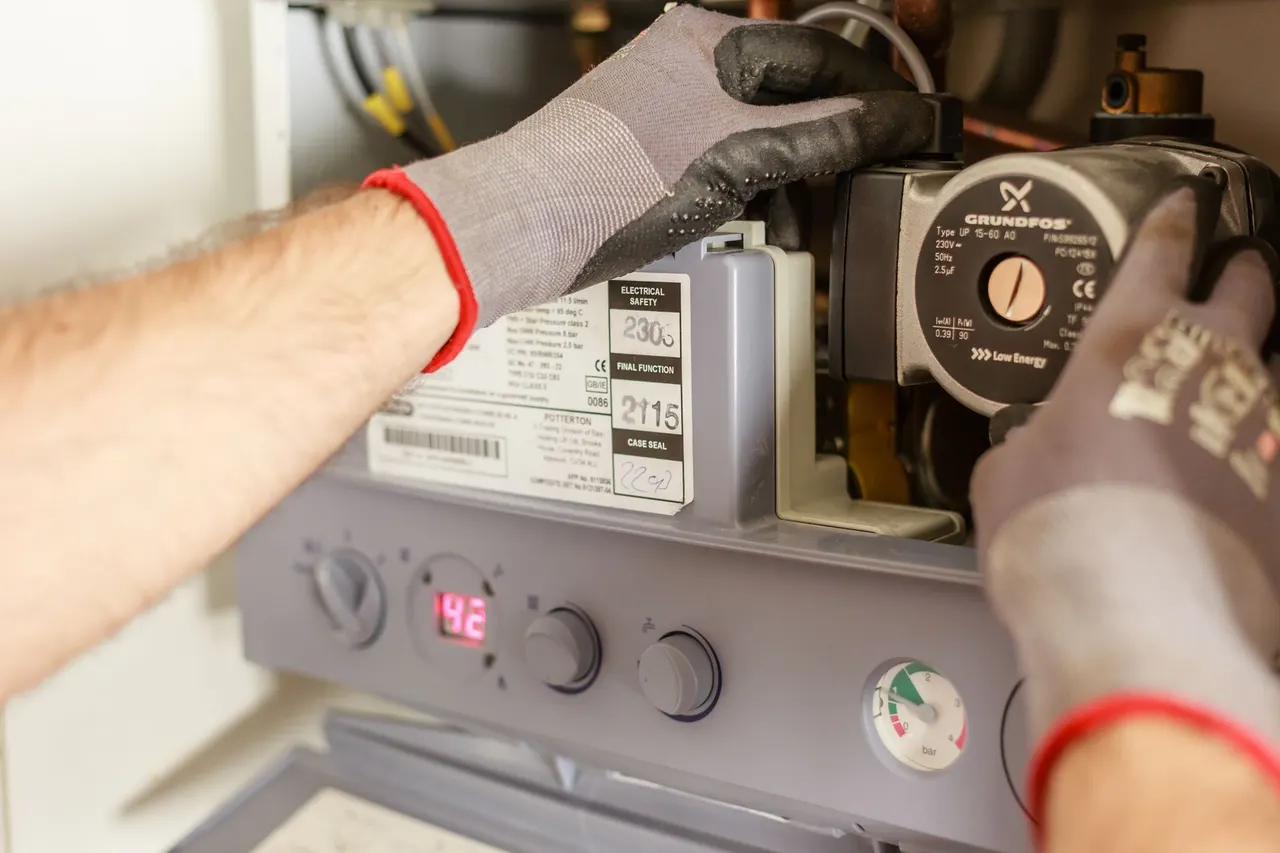
A provider can position air movers and a dehumidifier to move moisture out of framing and surrounding materials. Drying time depends on the water source, material depth, and room conditions; many localized areas need two to five days of active drying. A provider can take repeat readings and adjust equipment rather than relying on a fixed schedule.
Air movement
Humidity control
Reading checks
Review and restore
A provider can review the work area with you, explain final moisture readings, and identify any remaining repairs such as drywall or flooring replacement. If testing is part of the plan, results are reviewed separately from visual cleaning. Ask the provider for a clear account of completed work and the next restoration steps before the space is rebuilt.
Final review
Work notes
Repair planning
Squirrel HillShadysideBrookline
Mold work across Pittsburgh buildings
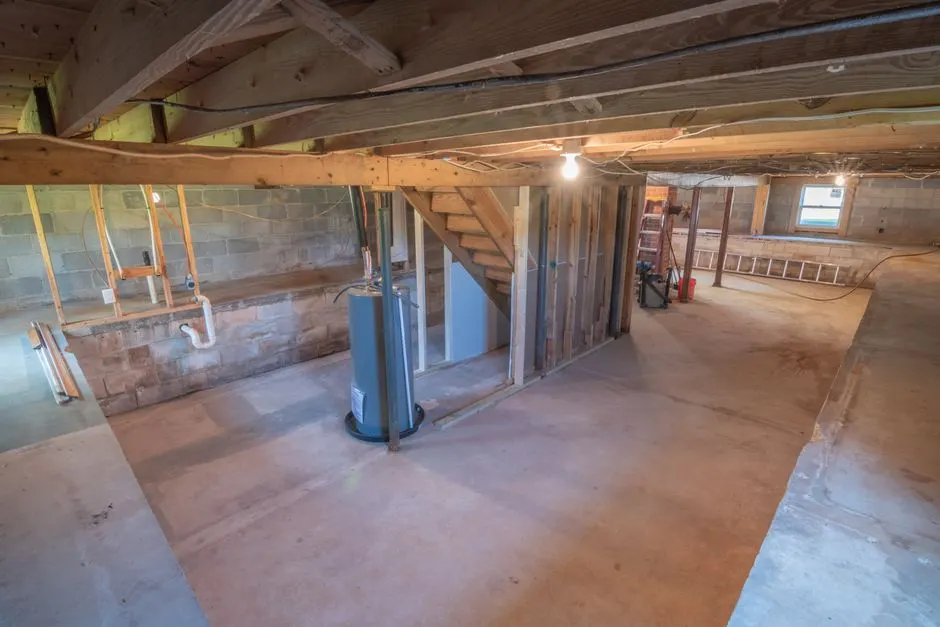
Pittsburgh's housing includes older masonry basements, finished lower levels, and buildings with multiple layers of wall and floor materials. Rain, foundation seepage, and winter pipe bursts can leave moisture in locations that are hard to see. A provider can check beyond the first stain, particularly around basement corners, ceiling penetrations, and flooring transitions.
In Allegheny County, conditions vary by building and water source, so a provider can tailor containment and drying to the affected space rather than applying one fixed setup. Pittsburgh mold remediation often begins after a roof leak, appliance leak, or sump issue; the cleanup plan changes if water reached insulation or concealed framing.
A provider can follow applicable Pennsylvania Department of Environmental Protection regulations and Allegheny County Health Department guidelines where relevant to the work. If you are searching for emergency mold remediation in Pittsburgh, tell the provider whether water is still entering, which rooms are affected, and when the problem began.
Squirrel Hill: Finished basements and older wall assemblies can hide damp framing after seepage; a provider can check beyond visible staining before planning cleanup.
Shadyside: A ceiling stain after a roof leak can follow framing into adjoining areas, so inspection includes the likely water path and nearby finishes.
Brookline: Lower-level rooms can hold moisture after rain or plumbing leaks; a provider can assess floor edges, baseboards, and stored items together.
Oakland: Multi-unit properties need clear work boundaries and access planning so affected rooms can be addressed while other areas remain in use.
Repeated rain and foundation seepage in lower-level rooms: Moisture can enter through a basement wall and travel into stored belongings or finish materials. A provider can assess the entry area and indoor damage separately, because cleanup alone will not correct ongoing seepage.
Cold-weather pipe bursts inside older wall cavities: Water can spread behind finishes before it reaches the floor, leaving insulation and framing wet. A provider can inspect the likely path and use readings to guide selective opening, removal, and drying.
A provider can walk the affected rooms and explain what the inspection checks.
A provider can protect nearby surfaces and set up the work area.
A provider can review drying readings and discuss the next repair steps.
Problems a remediation visit can solve
Mold issues often begin with a water event that was missed, delayed, or hidden behind a finish. A provider can investigate the source and affected materials, then lay out a targeted response. If you need mold remediation and air quality testing in Pittsburgh, a provider can discuss inspection and testing options alongside cleanup.
Recurring odorMusty basement odor that returns after cleaningThe odor can signal moisture held in wall edges, stored materials, or flooring, so surface deodorizing alone may leave the source untreated. A provider can trace the odor to damp materials or a water pathway, inspect adjacent areas, and remove or clean affected surfaces as appropriate. Drying equipment addresses retained moisture. A provider can explain whether further testing or repairs are useful so you are not left masking the smell.
Hidden wall growthMold growth behind drywall after a pipe leakA cavity can stay damp after the visible leak stops, allowing damaged insulation and framing to remain concealed behind a finished wall. A provider can inspect the leak area and surrounding wall, establish a controlled work zone, and open only the affected assembly needed to assess conditions. Unsalvageable drywall or insulation is removed, framing is cleaned as appropriate, and drying readings guide repair timing.
Wet carpetCarpet and padding stayed wet after basement floodingWater trapped below carpet can create persistent odor and leave the subfloor damp, even when the room looks dry from above. A provider can extract remaining water, assess carpet and padding separately, and check the floor below. Materials that cannot be restored are removed; suitable surfaces are cleaned and dried. Follow-up measurements help determine when flooring replacement or other repairs can proceed.
Ceiling damageCeiling stains and damp insulation after roof leaksWater can travel along framing and spread beyond the stain, leaving hidden material wet and vulnerable to continued damage. A provider can map the affected ceiling and nearby surfaces, identify materials needing removal, and dry the accessible assembly after the roof opening is addressed. A provider can coordinate cleanup and repair steps so new finishes do not cover damp or affected material.
A drier, cleaner building
Address moisture and affected materials for a cleaner, drier space.
Find moisture at the source
A provider can trace staining and musty odors to the leak or water pathway, including hidden wet areas behind baseboards and drywall. A hygrometer helps track indoor humidity as drying proceeds. This matters because cleaning visible growth without fixing the moisture source leaves the conditions for recurring mold growth in place.
Contain the affected area
A provider can separate the work zone from occupied rooms and use controlled removal practices to limit dust movement. For a small bathroom or a larger basement, the containment plan follows the actual footprint. Your household can understand which spaces are being worked on and what access is needed each day.
Remove damaged materials
Mold removal in Pittsburgh projects often involve porous materials that cannot be restored by surface cleaning alone. A provider can assess drywall, insulation, carpet, or padding individually and remove only material that is unsalvageable or part of the affected assembly. That keeps the repair focused while protecting sound finishes.
Verify drying progress
A provider can take follow-up moisture readings instead of treating a dry-looking wall as proof of completion. Air movers and a dehumidifier support drying, while readings guide adjustments. The provider explains the remaining work and records conditions so reconstruction can begin on a sound, dry surface.
Cleaning versus removal
Some surfaces can be cleaned; porous materials with extensive damage often need removal before the structure is dried and repaired.
Surface cleaning
Suitable nonporous or structural surfaces are cleaned after assessment.
Material condition guides method
Visible residue is addressed
Drying follows cleanup
Material removal
Affected porous materials may need removal when they cannot be restored.
Drywall and insulation assessed
Work area stays contained
Debris handled at source
Moisture correction
The water source and damp conditions must be addressed alongside mold work.
Trace the water pathway
Measure material moisture
Plan source repairs
Materials a provider can inspect
Drywall
Insulation
Hardwood
Laminate
Carpet
Baseboards
Plywood
Concrete
Areas near Pittsburgh
Choose your area for first steps and questions to ask. Availability depends on the independent provider.
There is no fixed price. It depends on the water source, contamination, affected area, materials removed, drying time and repairs. The independent provider sets its own price, so ask for a written estimate before work starts. Using this referral service is free.
Visible growth, persistent musty odor, recurring condensation, or water staining after a leak are common warning signs. Mold can also grow behind baseboards or inside a damp wall cavity without a visible patch. A provider can check moisture patterns and the likely water source; appearance alone cannot confirm the full extent. If an area keeps smelling damp after a pipe burst or basement leak, arrange an inspection rather than covering the stain.
Coverage depends on your policy, the cause of the water and the timing. Contact your insurer, photograph the damage, and keep receipts. Ask the provider what records they can give you. This referral service does not decide or promise coverage.
Availability is set by each independent provider and depends on your address and the time of your call. No arrival time is guaranteed. Call (855) 920-5307 and ask the provider when they can come. If anyone is in danger, call 911 first.
Tell the provider where you see staining, smell mustiness, or found water after a leak. A provider can discuss the affected area and the next practical step. Call (855) 920-5307 to arrange a conversation about your property.
Request a quote and a local provider can reach out to you. You can also call (855) 920-5307. Calls may be recorded for quality.
Pittsburgh Water Damage Fix is a free referral service that connects callers with independent, local water damage providers. We are not a contractor. Calls may be recorded for quality. Providers set their own prices, availability and credentials; ask them to confirm before work starts. See our privacy policy.
Call to describe the water source, the affected rooms and your ZIP code.