Mold inspection and testing in Pittsburgh gives homeowners, tenants, and property managers a clear picture of suspected mold and the moisture feeding it. A provider can check visible growth, damp materials, ventilation, and water-damage history, then explain whether sampling fits your situation. Choose mold testing in Pittsburgh when musty odors, staining, or a past leak leave unanswered questions. A provider can work across Pittsburgh, Pennsylvania, and connect inspection findings to practical drying or remediation steps.
An inspection covers a visual assessment of reported areas, moisture checks on accessible materials, and a discussion of water history and ventilation. Sampling is added when it answers a clear question and is collected for laboratory analysis. A provider can explain the observed conditions and practical next steps; remediation, concealed demolition, and repairs are separate work based on the findings.
History and Site Review
A provider can ask about leaks, flooding, repairs, odors, and the timing of visible changes, then inspect the rooms connected to that history. This gives the assessment a starting point and helps the provider focus on likely moisture pathways rather than checking unrelated surfaces without purpose.
Visible Condition Check
A provider can look for staining, surface growth, material swelling, and deterioration on accessible walls, ceilings, flooring, and trim. Photographs help record locations and conditions. If a cavity is closed, a provider can explain the access limitation rather than claiming to have inspected what cannot be seen.
Moisture Measurements
Moisture readings are taken at suspect materials and compared with nearby reference locations where appropriate. A provider can note the surface and measurement location so the numbers have context. A reading identifies a moisture condition; it does not by itself confirm mold species or health risk.
Targeted Sampling Option
When sampling can inform a decision, a provider can explain the sample type and intended question before collection. Air or surface samples are labeled and handled for laboratory analysis. Results are reviewed alongside the building inspection, since a laboratory finding alone does not locate a leak or define hidden damage.
Findings and Next Steps
Ask the provider for a plain-language summary of observed areas, relevant readings, and any available sample results. A provider can identify practical priorities such as stopping a leak, drying affected materials, or arranging remediation. The recommendations reflect the inspected conditions and clearly distinguish observations from follow-up work.
Homes and businesses.
The approach is the same for a home and a business. What changes is the access, the schedule and who needs the paperwork.
Homes and Rentals
A provider can check reported rooms and nearby materials after leaks, flooding, or recurring odors. You can show the provider where the problem began and what has changed.
Basement seepage after heavy rain
Odor near a repaired appliance leak
Ceiling stains below a roof leak
Business Properties
A provider can document affected areas with property access and room use in mind. Managers can identify operating constraints and areas that need separate attention.
Leak near occupied offices
Moisture in shared building spaces
Odor reported in a tenant suite
Mold Inspection and Testing in Pittsburgh
A plain-language look at what Mold Inspection and Testing involves and when it is needed.
Mold inspection and testing in Pittsburgh is a building assessment that locates visible or suspected mold, measures moisture, and determines whether targeted sampling is useful after water intrusion or persistent dampness. A provider can inspect rooms, accessible cavities, plumbing-adjacent areas, and building materials, using readings and observations to trace conditions rather than guessing from an odor alone. A moisture meter helps compare suspect surfaces with dry areas; sampling, when appropriate, is collected for analysis. Ask the provider for an explanation of findings, limitations, and the next steps for correcting the moisture source.
Pittsburgh's hillsides, older basements, freeze-thaw weather, and periods of heavy rain create recurring conditions for foundation seepage, basement flooding, and roof leaks. In Allegheny County, a pipe burst behind drywall or a slow appliance leak can leave insulation and baseboards damp even after the visible water is gone. The provider's Pittsburgh mold inspection and testing approach starts with the leak history and affected materials.
Inspection connects visible conditions and moisture evidence to a practical next step.
What it is
A building assessment of suspected mold, moisture conditions, and whether targeted sampling can answer a question.
When to call
After a leak, recurring musty odor, visible growth, or unexplained staining.
What to expect
A walkthrough, moisture checks, documented observations, and an explanation of next steps.
What to Expect During Inspection
Mold inspection and testing in Pittsburgh follows a straightforward sequence: discuss the history, inspect accessible areas, measure moisture, decide whether sampling is useful, and review results. A provider can explain each step.
Review the History
A provider can begin by asking when you first noticed an odor, stain, leak, or symptom in the building, and what repairs have already been made. You can point out rooms that changed after a storm or plumbing event.
Water history
Affected rooms
Prior repairs
Inspect Affected Areas
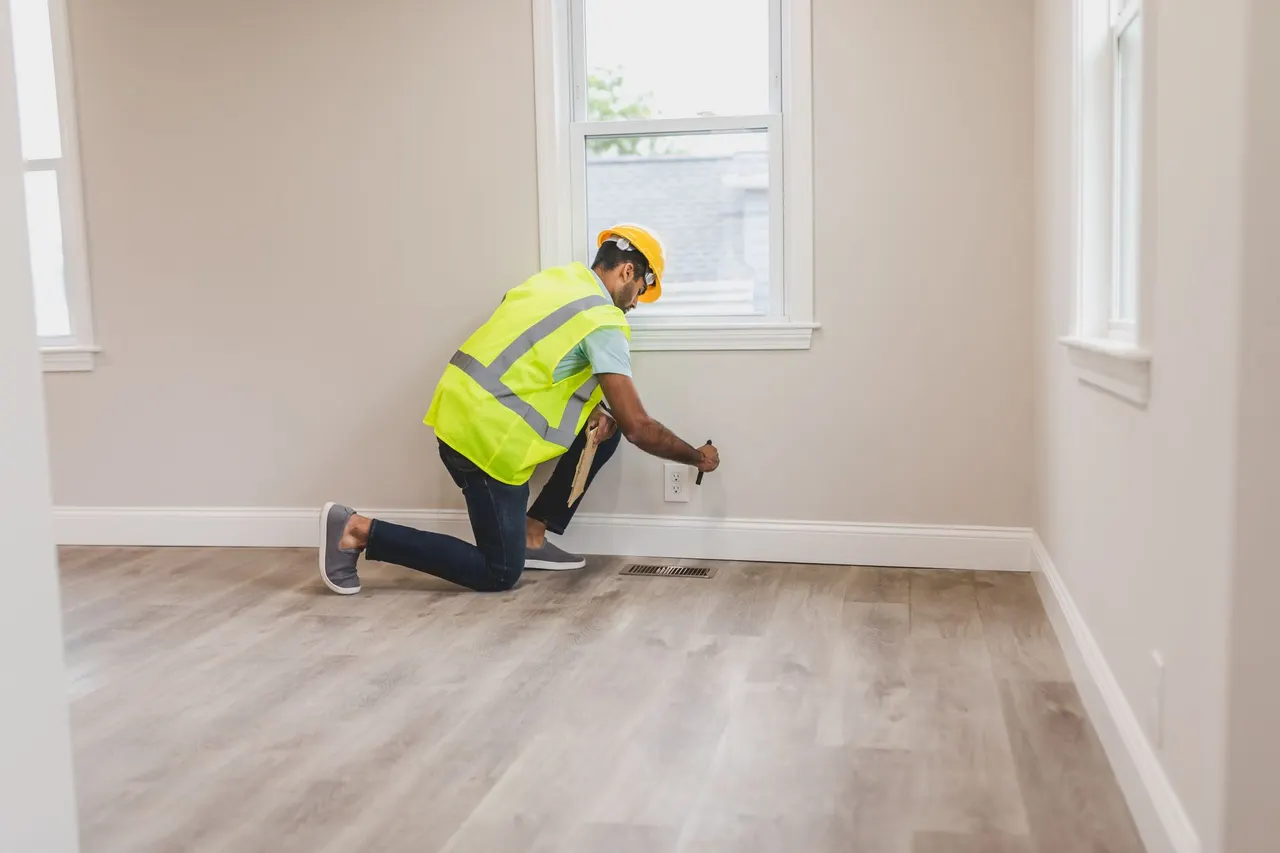
A provider can walk the affected rooms and nearby spaces, checking visible surfaces, ventilation, plumbing access, and building transitions. A provider can photograph relevant conditions with your permission and look for staining, swelling, and material deterioration. An inspection camera may help view an accessible cavity without opening a broad section of finished wall. A provider can explain any area that cannot be seen.
Visual review
Accessible areas
Photo notes
Measure Moisture
A provider can use a moisture meter to compare suspect drywall, flooring, or baseboards with nearby reference areas. These tools point to areas for investigation; they do not identify mold by themselves. Readings are logged with the location and material.
Moisture readings
Humidity check
Reference points
Collect Targeted Samples
If the inspection supports sampling, a provider can explain the purpose before collecting an air or surface sample. A provider can select locations based on the question being answered, document conditions, and handle samples according to the laboratory's collection requirements. Results commonly take several business days, depending on the lab and sample type. A provider may not treat a single sample as a map of every room.
Sample purpose
Collection location
Lab handling
Review Findings
A provider can walk you through observations, measurements, and available laboratory results, then separate immediate moisture control from later repair decisions. Ask the provider for photographs and a plain-language summary of areas checked and recommended next steps. If active water remains, a provider can discuss extraction or drying; if materials show suspected growth, the provider can explain the route to remediation and post-work verification.
Finding review
Drying options
Follow-up plan
Squirrel HillOaklandLawrenceville
How Inspection Works in Pittsburgh Homes
Pittsburgh's wet fall weather and winter freeze-thaw cycles can expose roof details, older plumbing, and basement walls to repeated moisture. Many homes have finished lower levels, mixed-age additions, and layered flooring that can hide dampness below the visible surface.
A provider can adapt the inspection to the building: a masonry basement after foundation seepage needs different checks than a ceiling below a roof leak or a kitchen after a slab leak. For professional mold inspection in Pittsburgh Pennsylvania property owners can rely on a sequence of visual assessment, moisture measurements, and purposeful sampling when it answers a defined question.
A provider can document accessible areas, explain material limitations, and connect the result to drying or repair steps. Pennsylvania Department of Environmental Protection regulations and Allegheny County Health Department guidelines may apply to particular conditions or work; a provider may not imply that an inspection alone replaces those requirements.
Squirrel Hill: Finished basements and older plumbing can make a slow leak hard to spot; a provider can check adjacent trim and flooring after a reported odor.
Oakland: Multi-unit buildings require attention to shared walls and rooms above or below a leak, with access and affected areas clearly documented.
Lawrenceville: Renovated homes can combine old framing with new finishes; a provider can compare visible conditions with moisture history before recommending access.
Mount Washington: Hillside drainage and basement moisture can overlap, so a provider can look at the pattern along lower walls and floor edges.
Cold-season pipe leaks in older Pittsburgh houses: A burst or slow leak can travel behind finished walls before it becomes visible. A provider can check the likely water path, accessible materials, and nearby flooring so the assessment reflects the full area of concern.
Heavy rain and basement seepage on sloped lots: Repeated water entry can leave dampness at foundation edges and stored-material areas. A provider can document where moisture appears and whether it is localized, helping direct source correction and drying before new finishes are installed.
The provider can walk the reported area and explain what a provider can inspect.
A provider can keep pathways clear and set up measurement tools near affected materials.
A provider can review observations, readings, and practical next steps with you.
Problems a Pittsburgh Mold Inspection Can Clarify
Mold inspection and air quality testing in Pittsburgh can help resolve uncertainty after a leak, recurring odor, or unexplained stain. A provider can check likely moisture sources and affected materials, then explain which findings are visible, measured, or laboratory-based. That clarity helps you choose a sensible repair sequence.
Recurring OdorA musty basement odor returns after surface cleaningThe odor can persist if damp material, foundation seepage, or a hidden leak remains. Covering the smell without locating the moisture leaves the original condition unresolved. A provider can inspect the basement perimeter, floor edges, stored-material zones, and accessible plumbing areas, then use moisture readings to locate damp patterns. A provider can discuss whether the source points to seepage, a plumbing issue, or retained moisture after flooding. Ask the provider for next steps tied to the evidence, including drying or source correction where needed.
Ceiling StainA ceiling stain grows after rain or a roof repairA stain can mark water that traveled beyond the visible spot, leaving ceiling materials or nearby framing damp. Repainting too soon can conceal a continuing leak. A provider can inspect the stain and accessible adjacent areas, compare moisture conditions, and ask when the mark changes. If the pattern suggests a roof leak, a provider can explain the need to control the entry point before interior repairs. Documentation helps you track whether the area dries and what materials need further attention.
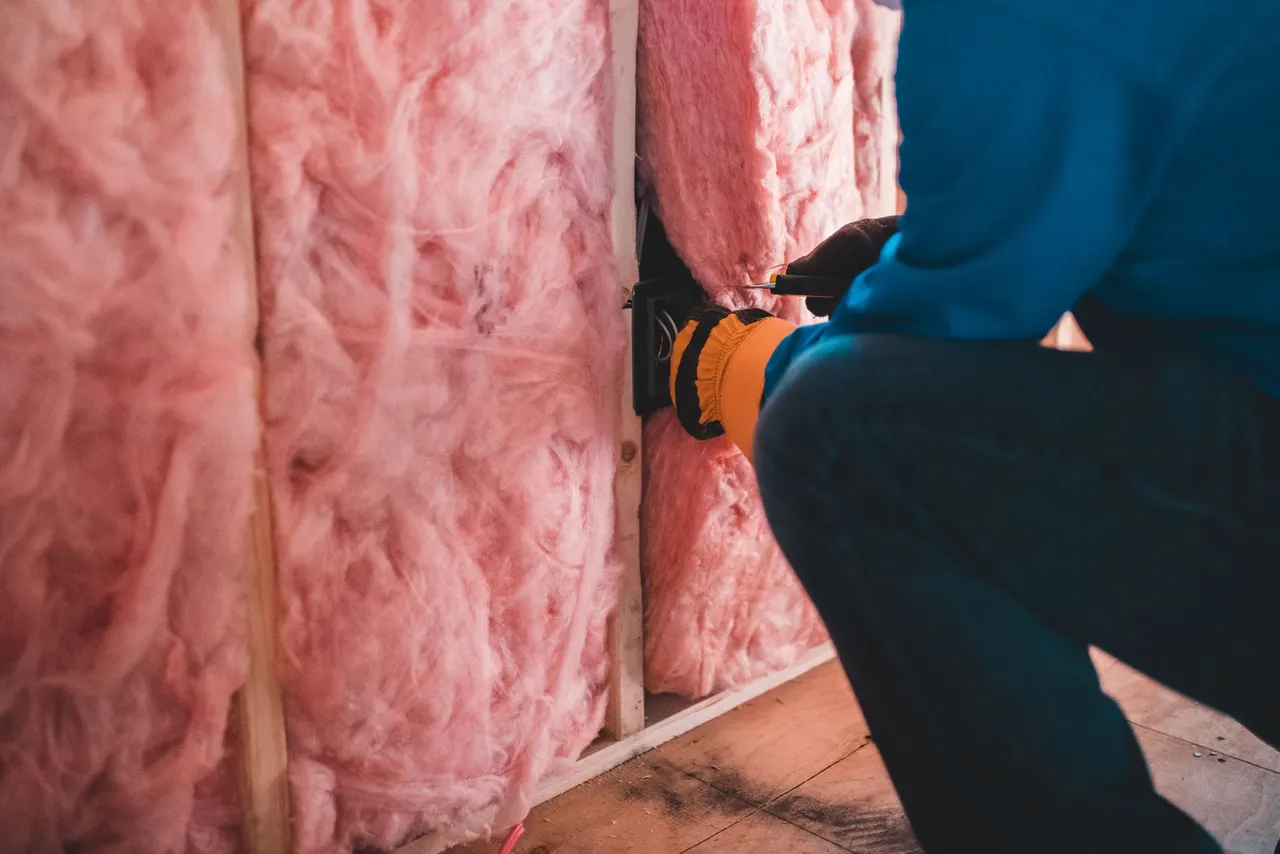
Hidden MoistureWater damage is hidden behind finished wallsA pipe burst or appliance leak may wet insulation and drywall from the inside, while the room surface looks nearly normal. Persistent moisture can damage finishes and support unwanted growth. An inspection camera can help view an accessible cavity when appropriate, but it does not replace opening a wall when the evidence calls for it. A provider can explain the findings and the least disruptive next step.
Unclear SourceA room smells damp but no source is obviousOdor without a visible leak may come from trapped moisture, poor ventilation, or materials affected by an older event. Guessing can lead to unnecessary treatment or missed repairs. A provider can review the room history, check humidity and accessible materials, and compare suspect areas with unaffected spaces. If sampling would help answer a defined question, a provider can explain that option and its limits. The resulting assessment distinguishes a measured moisture issue from an odor that needs another investigation.
Clear Findings, Practical Next Steps
Understand moisture conditions and choose a repair path based on documented findings.
Trace Moisture Sources
A provider can look beyond the visible stain to find active or residual dampness around pipes, windows, basements, and flooring. Comparing readings at several points helps separate a localized leak from room-wide humidity. That distinction matters: drying a surface without stopping a slab leak or roof leak leaves the conditions for mold growth in place.
Choose Sampling Carefully
Air or surface sampling is not automatically needed in every home. A provider can explain what a sample can answer, where it should be collected, and how results relate to observed conditions. If you need air quality mold testing in Pittsburgh, a provider can focus sampling on a defined question instead of treating one number as a complete diagnosis.
Protect Repair Decisions
Findings help you decide whether affected drywall, carpet padding, or insulation needs further evaluation before repairs. A focused report with photographs and moisture observations gives you a record for planning the work. It can also help avoid opening sound areas when the evidence points to a smaller, contained source.
Reduce Repeat Damage
A provider can identify the conditions that allow dampness to persist, including poor drainage, a failed sump pump, or trapped moisture beneath flooring. Correcting the cause and checking drying progress reduces the chance of the same odor or staining returning. Your next steps are tied to the actual moisture pattern, not a generic treatment.
Inspection Evidence and Lab Samples
A sample can answer a narrow laboratory question; a building inspection shows moisture conditions, locations, and the water history around it.
Visual Review
Documents accessible surfaces and visible changes.
Stains and swelling
Odor locations
Material condition
Moisture Checks
Compares readings across suspect and reference areas.
Dampness patterns
Room humidity
Follow-up readings
Laboratory Sampling
Analyzes collected air or surface samples.
Question-led collection
Recorded sample locations
Results interpreted in context
Common surfaces
Drywall
Baseboards
Insulation
Carpet
Hardwood
Laminate
Concrete
Plywood
Areas near Pittsburgh
Choose your area for first steps and questions to ask. Availability depends on the independent provider.
There is no fixed price. It depends on the water source, contamination, affected area, materials removed, drying time and repairs. The independent provider sets its own price, so ask for a written estimate before work starts. Using this referral service is free.
Consider an inspection if a musty odor persists, water-damaged materials remain damp, or staining returns after cleaning. A recent pipe burst, roof leak, or basement flood also justifies checking concealed edges and nearby materials. Mold testing in Pittsburgh is most useful when sampling answers a specific question; visible growth and a known moisture source can sometimes make source correction and material assessment the clearer first step.
An inspection evaluates visible conditions, moisture, building history, and likely sources; testing collects air or surface samples for laboratory analysis. Testing does not replace a building inspection, and a sample cannot show every hidden area. A provider can start with the physical conditions, then recommend sampling only when it can clarify a decision. Results are interpreted with room use, ventilation, and moisture observations in mind.
Availability is set by each independent provider and depends on your address and the time of your call. No arrival time is guaranteed. Call (855) 920-5307 and ask the provider when they can come. If anyone is in danger, call 911 first.
Schedule Mold Inspection and Testing in Pittsburgh
If a musty odor, recurring stain, or recent leak has you concerned, call (855) 920-5307. A provider can ask about the affected rooms, explain the inspection steps, and help you decide what needs attention first. A provider can connect moisture findings to water-damage repair options.
Request a quote and a local provider can reach out to you. You can also call (855) 920-5307. Calls may be recorded for quality.
Pittsburgh Water Damage Fix is a free referral service that connects callers with independent, local water damage providers. We are not a contractor. Calls may be recorded for quality. Providers set their own prices, availability and credentials; ask them to confirm before work starts. See our privacy policy.
Call to describe the water source, the affected rooms and your ZIP code.