Basement Water Damage Repair in Pittsburgh helps homeowners and property managers stop active leaks, remove standing water, and address damaged materials before damp conditions lead to musty odors or mold growth. A provider can handle Pittsburgh basement water damage repair from the first inspection through drying and repair, whether a pipe burst overnight, a sump pump failed, or rain entered through the foundation. Call (855) 920-5307 to discuss the damage.
Basement water damage repair includes assessment, water extraction, drying, and repair of affected materials as appropriate to the incident. A provider can identify the source and explain what work is needed for your specific basement. Plumbing, exterior drainage, or major foundation corrections require the relevant repair work to stop recurring entry. The exact restoration steps depend on water type, materials, and how far moisture traveled.
Damage Assessment
A provider can inspect visible damage and check connected surfaces for moisture. The provider notes where water entered, which rooms are affected, and whether the source appears active. This assessment guides extraction and drying rather than treating only the obvious wet spot.
Water Extraction
A provider can remove standing water from accessible basement floors and affected areas using equipment matched to the volume. Extraction reduces continued exposure to walls, flooring, and stored items. A provider can also identify water that has moved beneath carpet or into nearby materials.
Drying Setup
A provider can place air movers and dehumidification equipment to draw moisture from the room and building materials. Equipment location depends on airflow, room layout, and affected surfaces. A provider can explain what to expect while it runs and return to measure progress.
Material Removal
When saturated or contaminated porous materials cannot be restored, a provider can remove the affected sections. This can include carpet padding, insulation, or damaged drywall. A provider can limit removal to areas supported by the assessment and explain what is being taken out.
Surface Repairs
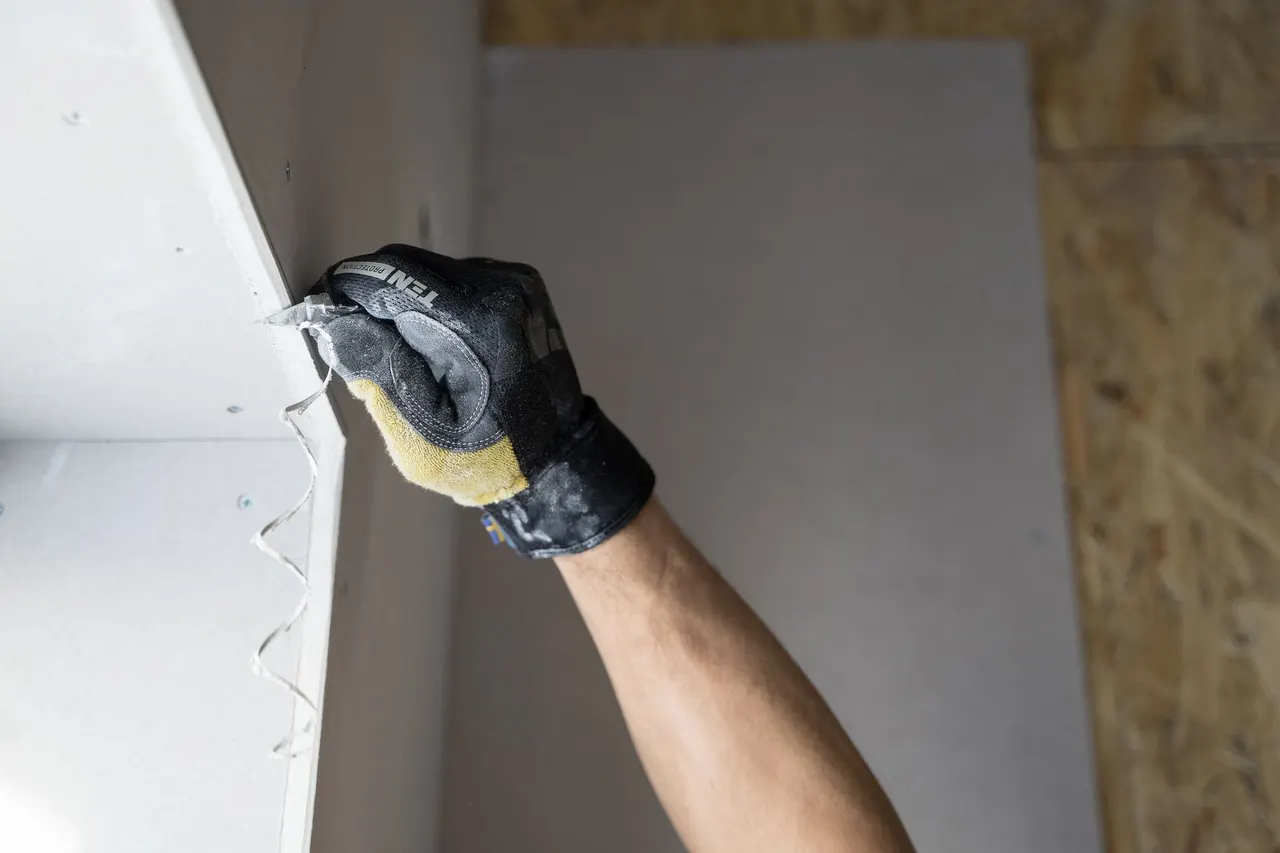
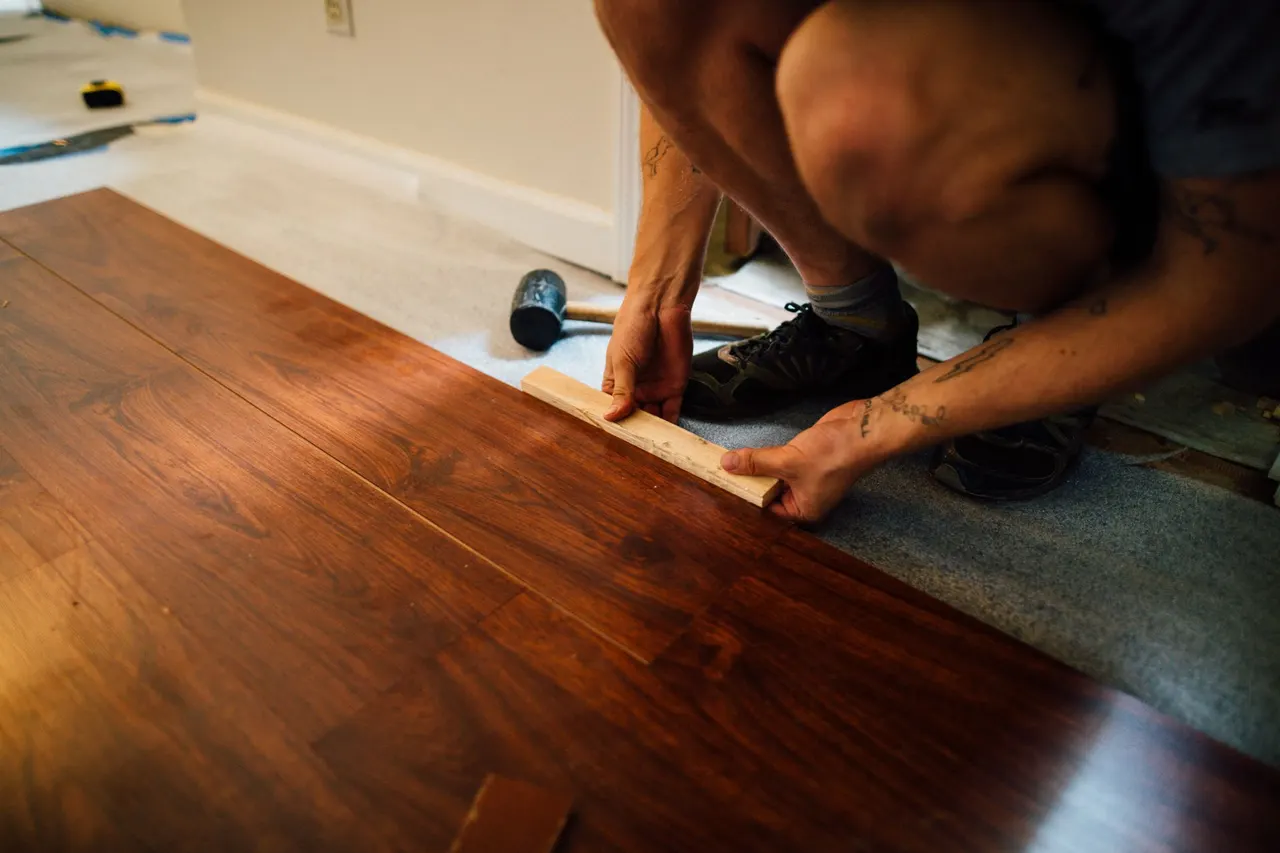
After the affected area is dry, a provider can repair agreed surfaces such as drywall, baseboards, or flooring. A provider can check the repair area before closing walls or reinstalling finishes. You can review the completed work and ask about any remaining signs of water entry.
Homes and businesses.
The approach is the same for a home and a business. What changes is the access, the schedule and who needs the paperwork.
At Home
A provider can check your basement, belongings, and connected rooms, then explain which materials need drying or removal. You will know what to expect around equipment and access.
Pipe leak near stored belongings
Sump pump failure during rain
Wet carpet beside finished walls
At Work
A provider can review affected utility, storage, and occupied areas with your property contact. A provider can plan access and equipment placement around the building's daily use.
Water in a shared utility room
Flooding near stored inventory
Leak affecting tenant access
Basement Water Damage Repair in Pittsburgh
A plain-language look at what Basement Water Damage Repair involves and when it is needed.
Basement Water Damage Repair in Pittsburgh is a property repair service that removes water, dries affected building materials, and restores areas damaged by leaks or flooding. A provider can first identify the source and check how far moisture has traveled through drywall, insulation, baseboards, carpet, and flooring. A moisture meter and thermal imaging camera help the provider locate damp areas that are not visible at the surface. A provider can then extract water, set drying equipment, remove materials that cannot be salvaged, and complete the agreed repairs. The goal is a dry, usable basement with the cause of damage addressed.
Pittsburgh's steep terrain, older foundations, heavy rain, and freeze-thaw cycles put below-grade rooms under pressure. A failed sump pump, foundation seepage, slab leak, or sewage backup can soak stored belongings and send water beneath laminate flooring or carpet padding. A provider can trace the likely entry point, document affected areas, and explain the work in plain language. For a basement water damage repair company Pittsburgh PA homeowners can call after a storm or pipe burst, a provider can connect extraction, structural drying, and repairs instead of treating a wet floor as the whole problem.
Remove water, measure affected materials, dry the space, and repair surfaces in sequence.
What it is
Water extraction, material drying, and repair for a basement affected by leaks or flooding.
When you need it
After standing water, a burst pipe, seepage, or a basement drain backup.
What to expect
Inspection, extraction, moisture checks, drying equipment, and repairs as needed.
What to Expect During the Work
Basement water damage restoration in Pittsburgh starts with a walkthrough, source check, and moisture assessment. A provider should explain the findings, protect the access route, and move through extraction, drying, and repairs in sequence. The provider discusses the immediate steps and keeps you informed as readings change.
Inspect and Trace
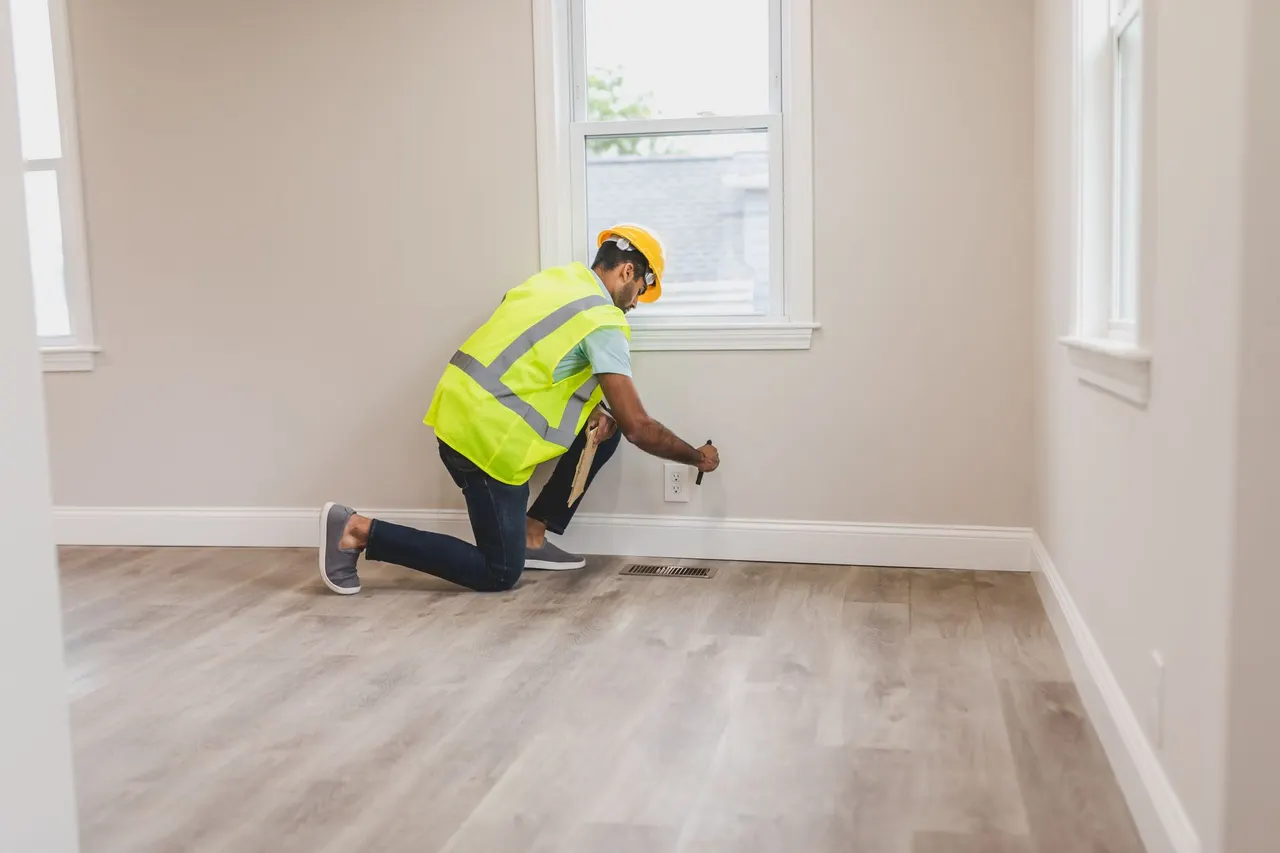
A provider can walk the basement with you, identify the water source if it is accessible, and check floors, walls, stored items, and adjoining rooms. A moisture meter and inspection camera help the provider assess likely hidden paths.
Walkthrough
Source check
Moisture map
Stop and Extract
A provider can address the immediate source where the repair falls within the provider's work, or coordinate the next practical step when a plumbing or exterior repair is needed. Then a provider can remove standing water and separate salvageable belongings from saturated materials. A small leak cleanup can take a few hours; widespread basement flooding takes longer.
Stop entry
Extract water
Sort contents
Set Drying Equipment
A provider can place air movers and a dehumidifier to circulate air and collect moisture from the room and building materials. Equipment placement is based on the affected surfaces, not a fixed room count. A provider can explain operating noise, access needs, and what you should leave undisturbed while the drying setup runs.
Place equipment
Direct airflow
Explain setup
Check Moisture Readings
A provider can return to take readings in the affected materials and adjust equipment when needed. Drying often takes 3 to 5 days, but saturated insulation, cool conditions, and concealed water can extend the schedule. A provider can compare readings with dry areas of similar material before deciding that the affected section is ready for repair.
Take readings
Adjust airflow
Review progress
Repair and Review
After drying, a provider can remove unsalvageable materials and complete the agreed reconstruction, which may include drywall, baseboards, or flooring. A provider can check the repaired area with you and review any remaining maintenance concerns, such as a sump pump test or a recurring seepage path. Ask the provider for a clear account of completed work.
Repair surfaces
Check finish
Review work
Squirrel HillBrooklineNorth Shore
How Basement Repairs Work in Pittsburgh
Basement water damage restoration in Pittsburgh calls for attention to steep lots, older foundations, and weather that can shift from fall rain to winter freeze. In older homes, stone or masonry walls and finished basement additions can conceal moisture behind trim and paneling. A provider can inspect the water path, check materials, and explain whether the problem is an indoor leak, foundation seepage, or storm runoff.
Pittsburgh basement water damage repair also needs a plan for safe access through narrow stairways and occupied homes. A provider can protect the route where practical, remove water, and position equipment to suit the room. A water heater leak before a holiday needs a different schedule from widespread storm flooding, but both need prompt source assessment.
If you need same day basement water damage restoration in Pittsburgh, call with the water source, affected rooms, and any electrical concerns. A provider can serve Allegheny County and nearby communities, and the provider can follow applicable Pennsylvania requirements when repair work involves regulated materials. The provider's process keeps you informed from inspection through final moisture checks.
Squirrel Hill: Older homes and finished lower levels can hide water behind trim. A provider can check wall bottoms and adjoining rooms when a leak appears contained.
Brookline: Sloped lots can direct runoff toward below-grade walls. A provider can look for the entry path and check flooring near foundation joints.
North Shore: Basement utility and storage spaces need clear access for extraction equipment. A provider can plan the route through the building before moving wet contents.
East Liberty: Mixed building ages mean basement materials vary from exposed masonry to finished drywall. A provider can tailor inspection and drying to each surface.
Freeze-thaw cycles stress older foundation joints and exterior drainage paths.: Water can enter through a small joint or crack after thawing rain. A provider can check the interior moisture pattern and nearby finishes, then explain which drying work is needed and whether the entry point needs separate exterior or foundation attention.
Heavy rain sends runoff toward below-grade doors and basement window wells.: Water may enter at one low point and spread across flooring before the source is obvious. A provider can map the affected area, remove standing water, and inspect connected materials rather than limiting the work to the visible entry spot.
A provider can walk through the basement and explain visible water paths.
A provider can protect access and position extraction or drying equipment.
A provider can check readings, review progress, and explain the next steps.
Problems Fixed by Basement Water Repair
Water damage can spread beyond the first puddle, particularly where finished walls hide insulation or framing. A provider can find the affected path, remove water, dry materials, and repair surfaces so you can use the basement again. These common Pittsburgh problems need different responses depending on the source and water type.
Pump floodingA failed sump pump leaves several inches of water across the basement floor.Water can soak carpet, padding, stored belongings, and wall bottoms; delayed removal increases the area that needs drying and repair. A provider can extract pooled water, check flooring and lower wall sections, and set drying equipment based on measured moisture. A provider can assess the sump pit and visible pump conditions and explain any separate pump repair needed to reduce repeat flooding. After drying, a provider can repair affected surfaces and review practical monitoring steps.
Foundation seepageRain seeps through a foundation joint after a prolonged storm.Repeated seepage can leave concrete damp, stain finishes, and create persistent musty odors in a basement used for storage or living space. A provider can trace the visible water path, remove any standing water, and check nearby walls, trim, and flooring. A provider can dry affected materials and identify whether an interior repair is needed. A provider can also point out observable drainage or foundation conditions that may require separate correction to address the entry source.
Burst pipeA burst pipe wets drywall, insulation, and flooring overnight.Water can move through wall cavities and beneath flooring before the leak is noticed, leaving concealed moisture after the visible surface looks dry. A provider can confirm whether the water source has stopped, extract remaining water, and inspect connected materials. Where readings or visible damage show saturated insulation or drywall, a provider can open and remove affected sections, then dry the cavity before rebuilding. The provider's documentation records the damaged area and drying progress.
Drain backupA basement drain backs up and spreads contaminated water around stored items.Sewage exposure creates a sanitation concern and can contaminate porous belongings, floor coverings, and surfaces that are difficult to disinfect. A provider can isolate the impacted area, assess the extent of contamination, and remove affected porous materials where necessary. A provider can clean and disinfect appropriate hard surfaces, then dry the space. Keep people and pets out of the affected area until cleanup is complete and follow-up steps are explained.
Practical Results for Your Basement
A measured drying sequence helps return your basement to usable condition.
Water Out First
Standing water keeps soaking walls and stored items, so a provider can start with extraction and a check for active leaks. A water extraction unit clears pooled water, while a Shop-Vac can handle small, accessible areas. A provider can then check nearby materials rather than assuming the visible puddle marks the full boundary of the damage.
Measured Drying Progress
A provider can track moisture in affected materials instead of relying on touch or appearance. An air mover directs circulation across wet surfaces, and a dehumidifier removes water vapor from the room. Readings over the next several days help the provider decide when drying is complete and repairs can proceed.
Fewer Hidden Surprises
Water can travel behind baseboards, into insulation, and under flooring. A provider can inspect the areas connected to the leak and explain where access is needed. This careful approach helps Pittsburgh basement water damage repair address concealed wet materials before new drywall or flooring covers them.
A Usable Room Again
Once the space is dry, a provider can repair the affected surfaces included in the job, such as drywall, baseboards, or flooring. You can plan around the work: water removal may take hours, while drying and reconstruction can extend over several days depending on material and moisture levels.
Drying and Repair Are Different Steps
Water removal clears pooled water; structural drying addresses moisture inside materials before reconstruction begins.
Extraction
Removes standing water from floors and accessible areas.
Begins after source check
Clears pooled water
Precedes drying equipment
Drying
Reduces moisture held in building materials and room air.
Uses airflow and dehumidification
Requires follow-up readings
May take several days
Repair
Restores surfaces after affected materials are ready.
May include drywall
Can replace damaged flooring
Follows drying checks
Common Materials
Drywall
Insulation
Baseboards
Carpet
Padding
Hardwood
Laminate
Concrete
Areas near Pittsburgh
Choose your area for first steps and questions to ask. Availability depends on the independent provider.
There is no fixed price. It depends on the water source, contamination, affected area, materials removed, drying time and repairs. The independent provider sets its own price, so ask for a written estimate before work starts. Using this referral service is free.
Stop the water source if you can do so safely, avoid standing water near electrical equipment, and arrange professional assessment promptly. A provider can extract water, check connected materials, set drying equipment, and repair damaged surfaces after readings show they are dry. The right response to a small clean-water leak differs from sewage backup or water near electrical panels. Call (855) 920-5307 if you need help deciding what to do next.
Coverage depends on your policy, the cause of the water and the timing. Contact your insurer, photograph the damage, and keep receipts. Ask the provider what records they can give you. This referral service does not decide or promise coverage.
Availability is set by each independent provider and depends on your address and the time of your call. No arrival time is guaranteed. Call (855) 920-5307 and ask the provider when they can come. If anyone is in danger, call 911 first.
If water is entering your basement, call (855) 920-5307. A provider can ask about the source, water depth, and affected rooms so the provider can discuss the next step. A provider can explain findings and drying needs before repair work moves forward.
Request a quote and a local provider can reach out to you. You can also call (855) 920-5307. Calls may be recorded for quality.
Pittsburgh Water Damage Fix is a free referral service that connects callers with independent, local water damage providers. We are not a contractor. Calls may be recorded for quality. Providers set their own prices, availability and credentials; ask them to confirm before work starts. See our privacy policy.
Call to describe the water source, the affected rooms and your ZIP code.