Crawl Space Water Damage Repair in Pittsburgh helps homeowners and property managers address standing water, soaked insulation, and persistent crawl space moisture before damage spreads. A provider can locate the source, remove water, dry affected materials, and check conditions beneath your floors. The provider's crawl space water damage restoration in Pittsburgh service is for active leaks, storm runoff, sewage backup, and damp spaces causing musty odors or cold, uncomfortable rooms.
The provider's service covers inspection, water removal, drying, and condition checks for affected crawl-space materials. A provider can identify the likely water source and explain related repair needs so you can address the cause as well as the damage. Material replacement, plumbing work, foundation repairs, and mold remediation depend on what the inspection finds and are handled as specific additional work.
Moisture Inspection
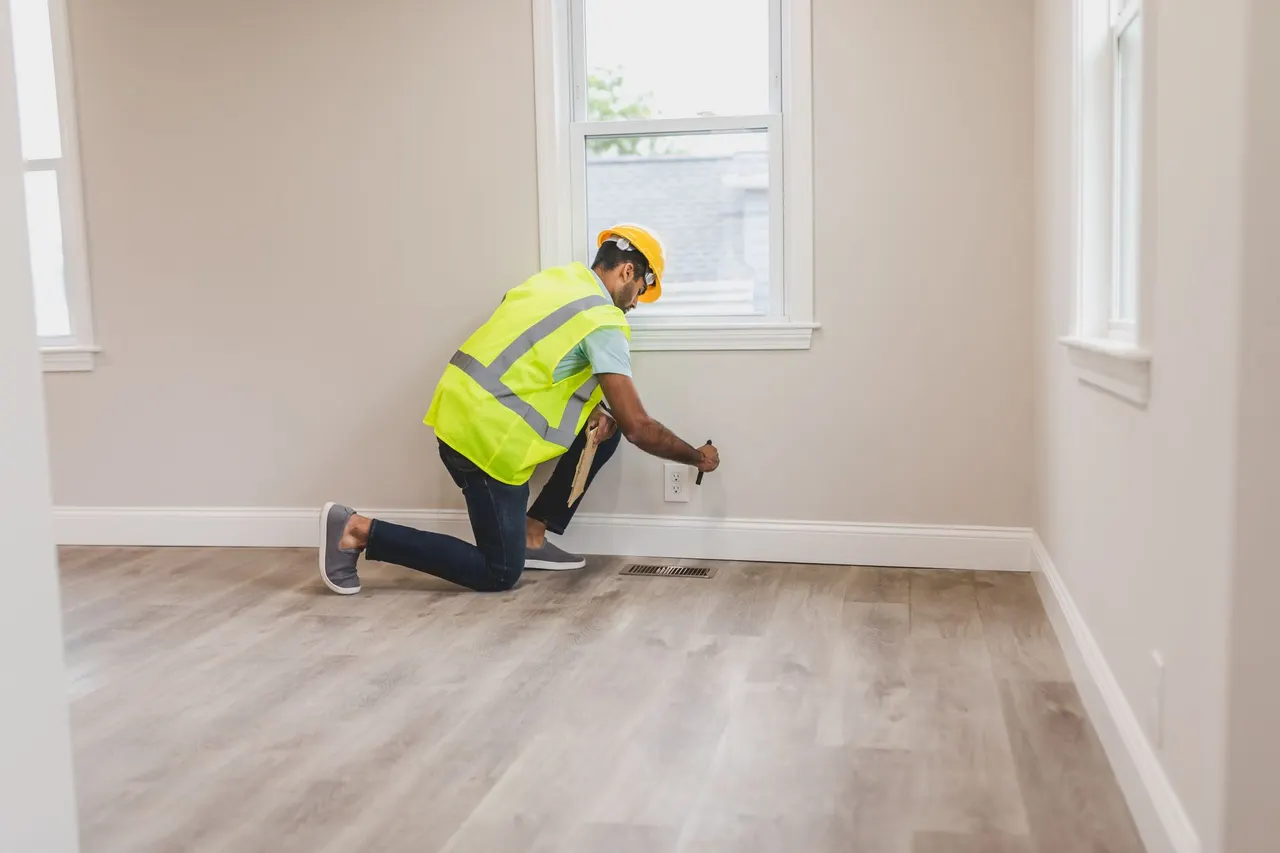
A provider can inspect accessible framing, insulation, subfloor, and concrete for signs of water. Readings from affected areas are compared with drier reference points, and a provider can note visible staining, odor, or material changes that influence the drying plan.
Standing Water Removal
A provider can extract pooled water using equipment suited to the space and amount present. Where water is shallow, a wet vacuum may work; deeper accumulation can require a pump. A provider can clear the area so remaining moisture can be dried and checked.
Drying Equipment Setup
Air movers and a dehumidifier are positioned to move air through affected areas and collect moisture. A provider can consider crawl-space clearance, power access, and material condition, then adjust equipment as readings and humidity change.
Affected Material Assessment
A provider can check whether insulation, vapor barrier, or accessible wood materials can be dried or need removal. Contaminated or deteriorated materials require different handling from clean water damage, and a provider can explain the reason for each recommended action.
Progress Checks
During drying, a provider can return to measure moisture and humidity, inspect equipment placement, and look for areas that remain damp. You can see the change over time and understand when the drying stage is complete.
Homes and businesses.
The approach is the same for a home and a business. What changes is the access, the schedule and who needs the paperwork.
Homes and Rentals
A provider can inspect beneath your floors for leaks, standing water, and damp insulation. Ask the provider for a practical plan for drying and related repairs.
Pipe leak below a kitchen
Rainwater near a foundation
Musty odor above a crawl space
Managed Properties
A provider can assess crawl spaces serving offices, rentals, and shared buildings. Property managers receive clear findings about access, affected areas, and drying progress.
Water below a rental unit
Sump issue at a shared property
Wet materials near stored contents
Crawl Space Water Damage Repair in Pittsburgh
A plain-language look at what Crawl Space Water Damage Repair involves and when it is needed.
Crawl Space Water Damage Repair in Pittsburgh is a water damage mitigation service that removes water, dries affected materials, and addresses moisture damage beneath a building. A provider can inspect the access area, identify whether water came from a pipe burst, foundation seepage, or another source, then use extraction and controlled drying suited to the materials. A moisture meter and hygrometer help track readings; damaged insulation or vapor barrier is handled as the conditions require. A provider can also look for visible mold growth and wood deterioration, because drying without finding the entry point leaves the same problem ready to return.
In Allegheny County, steep lots, aging foundations, heavy rain, and winter freeze-thaw cycles can funnel water into low crawl spaces. A sump pump failure or leaking supply line can leave pooled water under a home long before stains appear indoors. A provider can serve older houses in neighborhoods such as Brookline and Squirrel Hill as well as newer properties with encapsulated crawl spaces. If you are searching for a crawl space water damage repair company Pittsburgh PA, a provider can trace the water, remove affected material, and explain practical next steps.
Remove the water, find its route, and verify that affected materials are drying.
What it is
Inspection, extraction, drying, and repair planning for water-damaged crawl spaces.
When needed
After standing water, leaks, seepage, damp insulation, or persistent musty odors.
Crawl space water damage repair services Pittsburgh PA begin with locating the water and checking how far it traveled. A provider can explain the sequence before equipment goes in, keep the access route orderly, and document readings as the space dries. A small, contained leak can take hours to extract and set up; wet framing and insulation often need repeated checks over several days.
Inspect and Trace
A provider can ask when water appeared, check plumbing and drainage clues, and use an inspection camera or infrared thermometer where access is limited. You see the suspected source and affected areas before a provider can recommend extraction, drying, or material removal.
Inspect
Trace source
Check materials
Stop the Source
A provider can identify whether the water is coming from a supply line, appliance leak, roof leak routed through the structure, sewage backup, or foundation seepage. If a plumber or drainage contractor must correct the source, a provider can explain that handoff clearly. Stopping active inflow comes before drying; otherwise, equipment is treating a moving target.
Stop inflow
Identify cause
Plan correction
Extract and Protect
A provider can remove standing water with a water extraction unit, pump, or wet vacuum suited to the site, then clear loose debris from the work path. Wet insulation is assessed for removal, and nearby stored items are protected or moved when practical.
Extract water
Clear debris
Protect access
Dry and Monitor
A provider can position an air mover and dehumidifier to circulate air through the affected zone without directing airflow into contaminated material. Readings guide adjustments; a provider can commonly recheck after 24 hours, then daily or as conditions require. Drying often takes three to five days, with thicker wood and restricted airflow extending the schedule.
Set equipment
Track readings
Adjust airflow
Verify and Repair
Before equipment is removed, a provider can compare moisture readings with unaffected reference points and check for remaining damp pockets. A provider can review which materials are dry, which need replacement, and whether odor treatment or mold remediation is appropriate. Ask the provider for the findings and recommended repairs, including any needed insulation or vapor barrier work.
Verify drying
Review findings
Plan repairs
Mount WashingtonBrooklineSquirrel Hill
How Crawl Space Repair Works in Pittsburgh
Crawl-space jobs in Pittsburgh often start with water moving downhill. Hillside lots in Mount Washington, Brookline, and parts of Squirrel Hill can direct storm runoff toward foundations, while older homes may have stone or mixed-material foundations and restricted access. In November and winter, freezing conditions can split exposed pipes; spring rain then tests drainage and sump systems.
A provider can inspect the water path, check for a slab leak or pipe burst, and look for damp insulation, wet framing, and signs of a sewage backup before choosing equipment. The provider's Pittsburgh crawl space water damage repair approach accounts for the crawl-space height, floor construction, and whether the water is clean or contaminated.
For emergency crawl space water removal in Pittsburgh near me, call with the water depth and source if known. A provider can follow applicable Pennsylvania Department of Environmental Protection regulations and Allegheny County Health Department guidelines when conditions call for regulated handling. ZIP codes a provider can serve include 15216 and 15217, with nearby coverage in 15214.
Mount Washington: Sloped lots can channel stormwater toward foundations. A provider can look for runoff paths and seepage as well as pooled water beneath the home.
Brookline: Older homes can have tight access and varied foundation materials. A provider can plan equipment placement around clearance and inspect the subfloor carefully.
Squirrel Hill: Mature residential blocks include homes with different foundation and drainage histories. A provider can trace the source rather than assuming every damp space has the same cause.
Oakland: Mixed building types and busy property use make clear access planning important. A provider can coordinate the inspection and drying around the affected building area.
Steep lots redirecting heavy rain toward older foundations: Runoff can collect along a foundation wall or enter through a low point. A provider can document visible routes and distinguish ongoing seepage from water left by a single storm, because the correction may involve drainage as well as drying.
Freeze-thaw cycles stressing exposed plumbing and drainage: A frozen pipe can release water beneath floors, while thawing ground can increase seepage. A provider can check for active plumbing leaks and wet insulation, then coordinate source repair before drying materials.
A provider can inspect access, visible water, and the likely source with you.
A provider can protect the route, remove water, and position drying equipment.
A provider can recheck moisture, explain progress, and review repair needs.
Problems Fixed Before They Spread
Crawl-space water can stay hidden until a floor feels soft, a room smells musty, or a stain appears indoors. The local provider targets the source and affected materials, then monitors drying. For crawl space water damage restoration and drying in Pittsburgh Pennsylvania homeowners can expect inspection, extraction, and clear repair guidance.
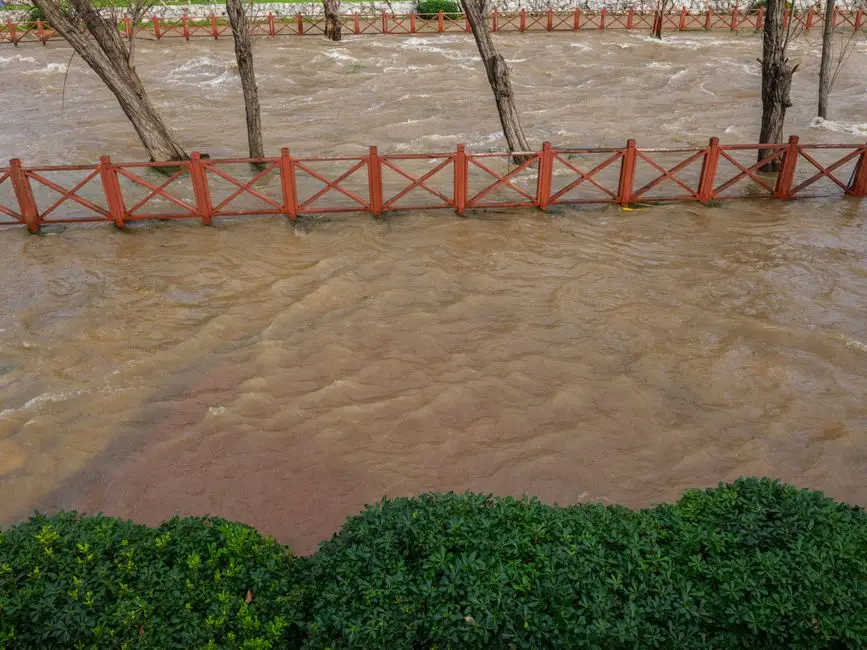
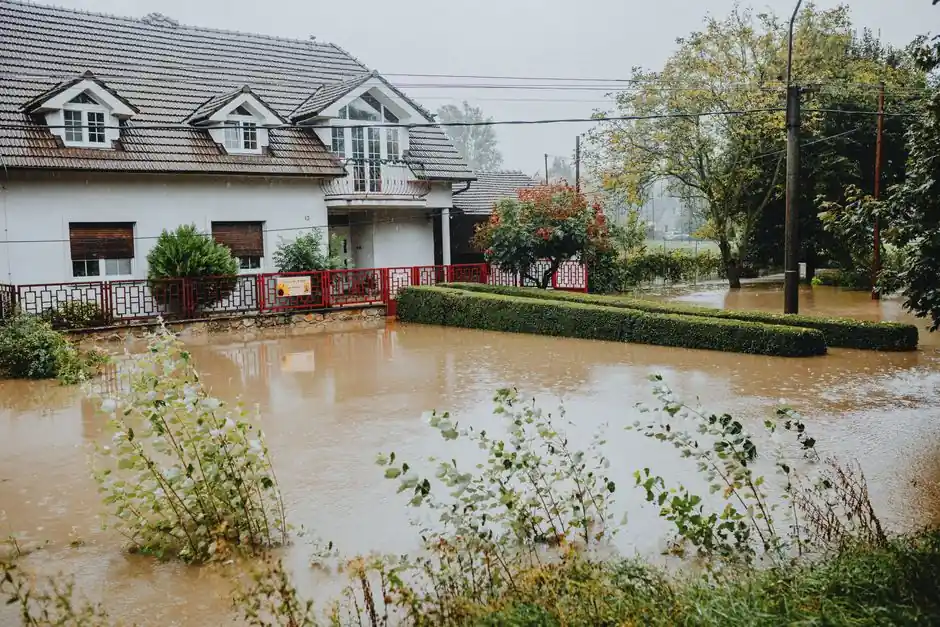
Pooled rainwaterPooled water beneath a low-clearance home after heavy rainStanding water keeps insulation and framing wet, raises crawl-space humidity, and can leave a musty odor that reaches living areas. A provider can inspect the drainage path and accessible foundation, then extract pooled water with equipment sized for the space. A provider can check insulation and framing for saturation and set drying equipment where airflow can reach damp surfaces. If runoff continues entering, a provider can explain the source correction needed so water removal is not the only response.
Burst pipeA burst pipe soaking insulation and subfloor overnightWater can spread along the underside of the floor, leaving hidden dampness and creating warped flooring or ceiling stains in rooms below. A provider can locate the affected run, confirm that active flow has stopped, and remove standing water. A provider can assess wet insulation and the subfloor, then track moisture readings as drying progresses. A provider can coordinate around plumbing repairs and tell you when material replacement is needed rather than relying on surface appearance.
Musty framingMusty odor and visible mold growth on damp framingPersistent moisture can support further growth and keep odors returning, especially when wet insulation or debris remains in the crawl space. A provider can identify and address the moisture source, inspect affected surfaces, and remove materials that cannot be suitably dried. When remediation is appropriate, a provider can use handling and cleaning steps matched to the condition. Drying follows removal, with readings used to check that the area is improving.
Pump failureSump pump failure leaving water under stored belongingsWater can damage boxes, stored contents, insulation, and nearby framing while leaving the space difficult to access safely. A provider can assess water depth and any contamination concerns before entering, then remove water and affected debris. A provider can check the sump area and document materials that need cleaning or replacement. A provider can explain whether pump repair or replacement is needed to reduce the chance of another wet crawl space.
A Drier, Safer Crawl Space
A dry crawl space starts with source control and measured follow-up.
Water Removed Promptly
Standing water keeps wood and insulation wet and makes access difficult. A provider can use a water extraction unit or pump selected for the depth and volume, then collect debris for proper handling. Removing pooled water first gives drying equipment a chance to work on damp framing and concrete instead of fighting a continuing reservoir.
Moisture Tracked Precisely
A provider can record moisture readings at affected and comparison areas rather than relying on touch. A hygrometer monitors air conditions while a moisture meter checks accessible materials during the drying cycle. That helps the provider identify whether a joist or plywood subfloor is improving and whether equipment needs repositioning.
Damage Kept in View
A provider can check insulation, floor framing, and the underside of the subfloor for swelling, staining, or visible mold growth. If water reached carpet, padding, hardwood flooring, or laminate flooring above, a provider can point out related symptoms such as warped flooring and baseboard swelling. You can address connected damage before it spreads.
A Clear Next Step
Ask the provider for a practical explanation of the source, the drying status, and repair needs. A provider can separate water removal and drying from reconstruction work, so you know whether the next step involves replacing insulation, repairing a pipe, improving drainage, or arranging mold remediation.
Water removal versus drying
Extraction removes pooled water; monitored drying addresses moisture held inside affected materials.
Extraction
Removes accessible standing water from the crawl space.
Pump or extraction unit
Debris cleared as needed
Source checked first
Structural drying
Reduces moisture in framing and other affected materials.
Air movement positioned
Humidity monitored
Readings checked over time
Repair work
Addresses materials or sources that cannot be restored by drying alone.
Wet insulation assessed
Source correction identified
Replacement needs explained
Materials and surfaces
Framing
Subfloor
Insulation
Concrete
Vapor barrier
Plywood
Hardwood flooring
Carpet padding
Areas near Pittsburgh
Choose your area for first steps and questions to ask. Availability depends on the independent provider.
There is no fixed price. It depends on the water source, contamination, affected area, materials removed, drying time and repairs. The independent provider sets its own price, so ask for a written estimate before work starts. Using this referral service is free.
Remove the water source and standing water first; then controlled drying commonly takes three to five days. Avoid entering a flooded space if electrical equipment or sewage is involved. A provider can inspect for active leaks, extract pooled water, assess insulation and framing, and position a dehumidifier with air movers. A hygrometer and moisture meter help track progress. Opening vents alone does not reliably dry wet materials, especially during humid or freezing weather.
Coverage depends on your policy, the cause of the water and the timing. Contact your insurer, photograph the damage, and keep receipts. Ask the provider what records they can give you. This referral service does not decide or promise coverage.
Availability is set by each independent provider and depends on your address and the time of your call. No arrival time is guaranteed. Call (855) 920-5307 and ask the provider when they can come. If anyone is in danger, call 911 first.
Standing water, damp insulation, or a musty smell deserves a direct inspection. Call now at (855) 920-5307 and tell the provider what you see; a provider can explain the next practical step. A provider can use moisture readings to guide drying decisions.
Request a quote and a local provider can reach out to you. You can also call (855) 920-5307. Calls may be recorded for quality.
Pittsburgh Water Damage Fix is a free referral service that connects callers with independent, local water damage providers. We are not a contractor. Calls may be recorded for quality. Providers set their own prices, availability and credentials; ask them to confirm before work starts. See our privacy policy.
Call to describe the water source, the affected rooms and your ZIP code.