The Water Damage Restoration Process in Pittsburgh
Water damage restoration in Pittsburgh helps homeowners, tenants, and property managers limit damage after a pipe burst, roof leak, appliance leak, or basement flood. A provider can locate wet materials, remove standing water, and set up controlled drying so hidden moisture does not linger behind walls or beneath flooring. If you need water damage restoration in Pittsburgh, call (855) 920-5307 and tell the provider what happened, where the water is, and whether the source is shut off.
Water damage restoration covers inspection, water extraction, moisture assessment, controlled drying, and cleanup of affected areas. A provider can identify materials that can be dried and those requiring removal, then explain the repair sequence. Reconstruction, plumbing work, mold remediation, and specialized contents recovery are related tasks that depend on what caused the damage and what the inspection finds.
Water source assessment
A provider can look for the source and water path, check whether water is still entering, and note the affected rooms and materials. Identifying whether the loss came from a supply line, roof leak, or sewage backup changes the cleanup plan and helps focus the first work.
Standing water extraction
A provider can remove accessible pooled water from floors and other affected surfaces using suitable extraction equipment. Carpet, padding, and hard flooring are assessed separately because water can remain beneath the visible surface. Extraction reduces the amount of moisture the drying stage must handle.
Drying and monitoring
A provider can place air movers and dehumidifiers to support evaporation, then return to check moisture conditions. Equipment placement and drying time depend on the material and water volume. A provider can explain readings and adjust the setup as affected surfaces and cavities dry.
Affected material decisions
A provider can identify what can remain for drying and what should be removed due to contamination, swelling, or loss of integrity. Decisions may involve drywall, insulation, carpet padding, or baseboards. Ask the provider for an explanation of the reason before restoration moves into replacement work.
Cleanup and repair planning
A provider can clean affected work areas and outline the steps needed to restore the room after drying. Repairs can include drywall, flooring, or insulation replacement, while plumbing or roof repairs address the source. The sequence avoids closing wet materials behind new finishes.
Homes and businesses.
The approach is the same for a home and a business. What changes is the access, the schedule and who needs the paperwork.
Homes and rentals
A provider can inspect your affected rooms, belongings, and material transitions before setting up drying equipment. You will know which areas need attention and how follow-up checks fit your household.
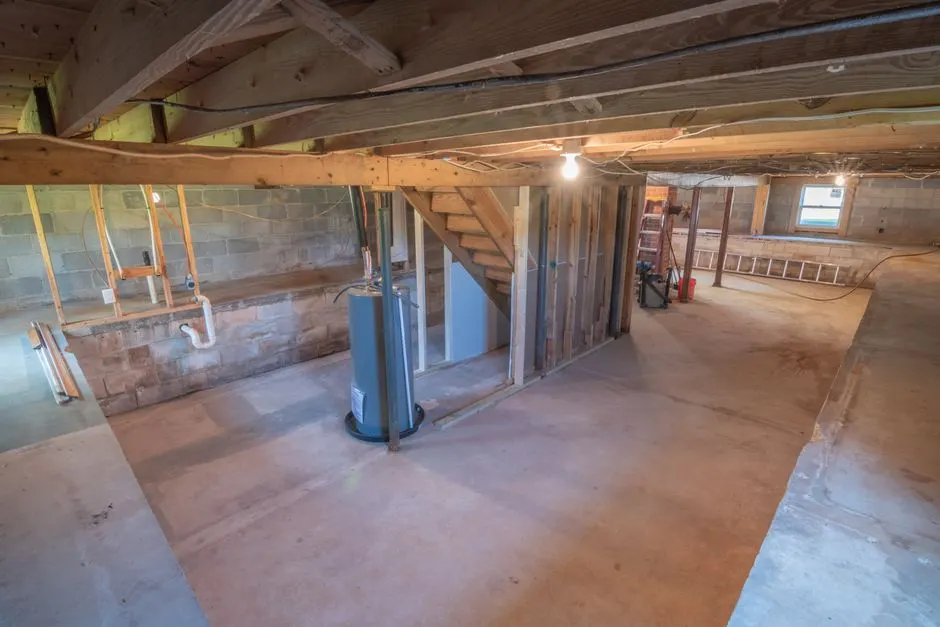
Basement flooding near stored belongings
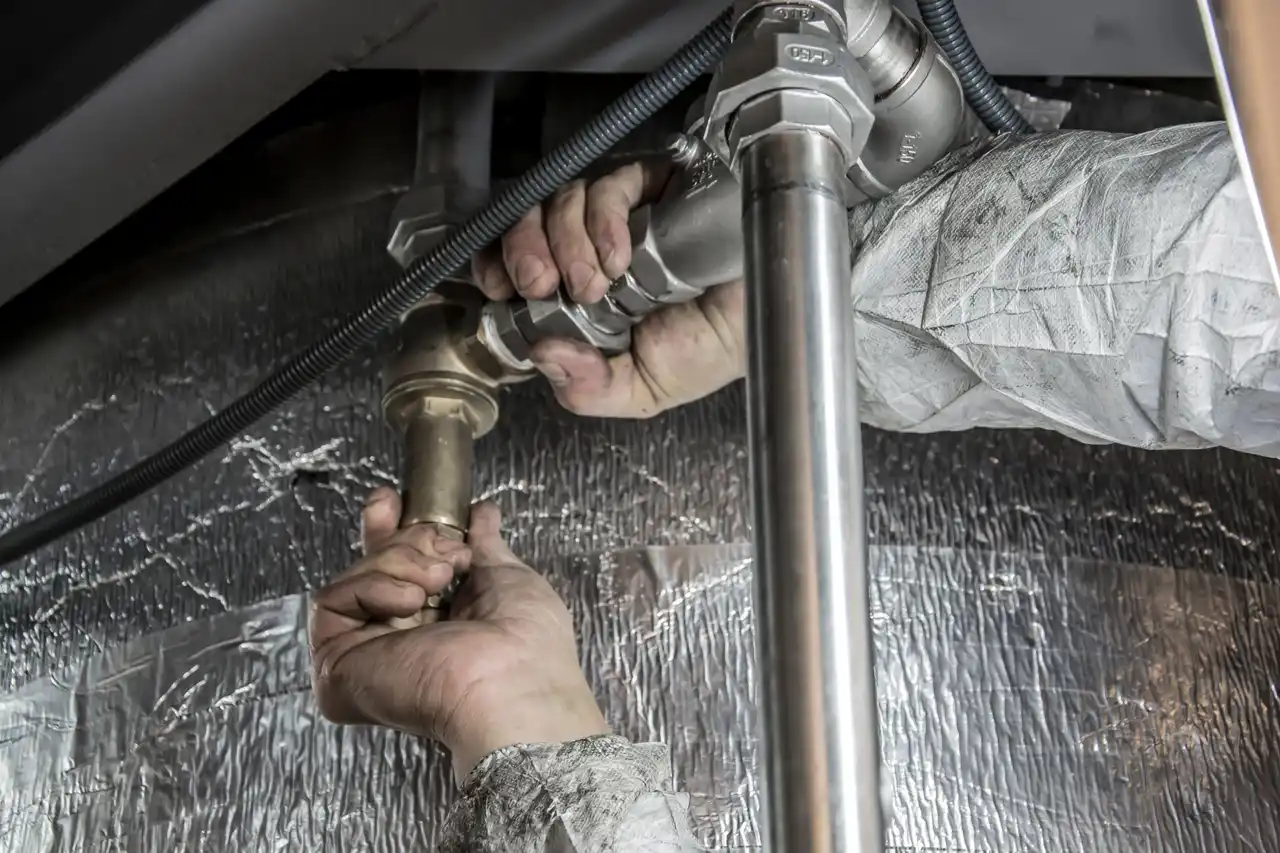
Pipe leak beneath a kitchen sink
Ceiling stain after roof leakage
Business properties
A provider can assess affected work areas, access routes, and contents with owners or property managers. You can plan around drying equipment, room access, and the repair sequence.
Office ceiling leak above workstations
Retail floor wet after a pipe burst
Shared hallway affected by an upstairs leak
Water damage restoration in Pittsburgh explained
A plain-language look at what Water Damage Restoration involves and when it is needed.
Water damage restoration in Pittsburgh is a property recovery service that removes water, dries affected materials, and repairs damage after a leak or flood. A provider can start by tracing the water path and checking walls, floors, ceilings, and concealed cavities, then extract standing water and measure moisture. Drying equipment is positioned to move air across wet surfaces while dehumidifiers pull moisture from the room. A provider can document readings and revisit affected areas; replacing drywall or flooring comes after the structure reaches an appropriate dry condition.
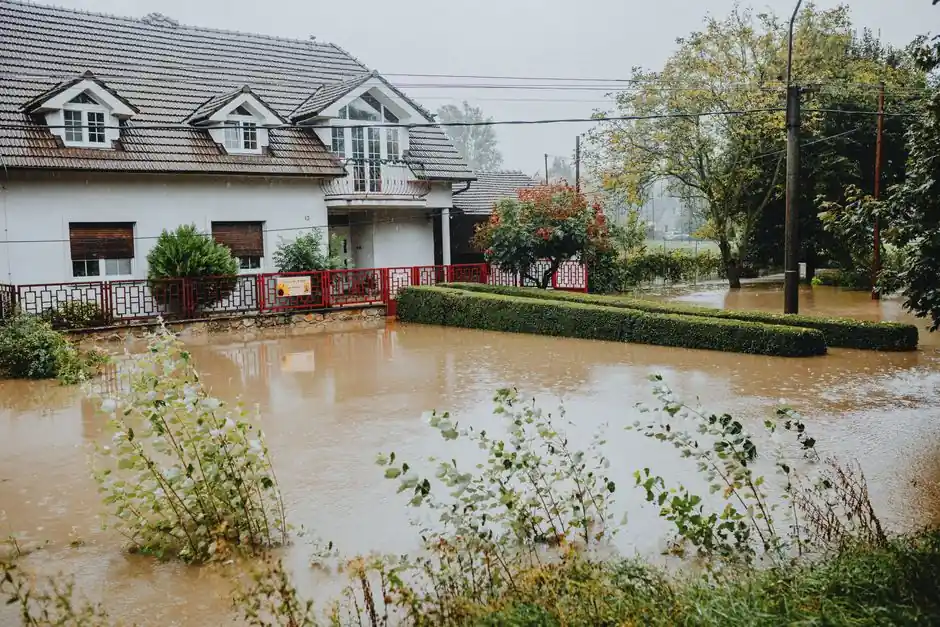
Pittsburgh homes face basement flooding after heavy rain, frozen or burst pipes during winter cold snaps, and roof leaks after wind-driven storms. Older buildings can have layered flooring, plaster assemblies, or finished basements that hide water beyond the visible stain. The provider's Pittsburgh water damage restoration work starts with the source and the building materials, not just the puddle. For a water damage restoration company Pittsburgh PA residents call, a provider can identify what can be dried, what needs removal, and which repairs restore safe, usable rooms.
Water restoration removes water, dries affected materials, and guides repairs based on observed conditions.
What it covers
Extraction, moisture assessment, controlled drying, cleanup, and repair planning after water enters a property.
When to call
After a leak, flood, sewage backup, or unexplained dampness affects rooms or building materials.
What happens
A provider can inspect, control water entry, extract water, monitor drying, and explain repair steps.
What to expect during restoration
Water damage restoration in Pittsburgh follows a practical sequence: inspect, stop ongoing water entry, extract, dry, and repair. A provider can explain each stage before equipment goes in, protect your belongings where possible, and share what the readings show. A small clean-water loss may take a few days to dry; extensive or contaminated damage needs more steps.
Inspect and map
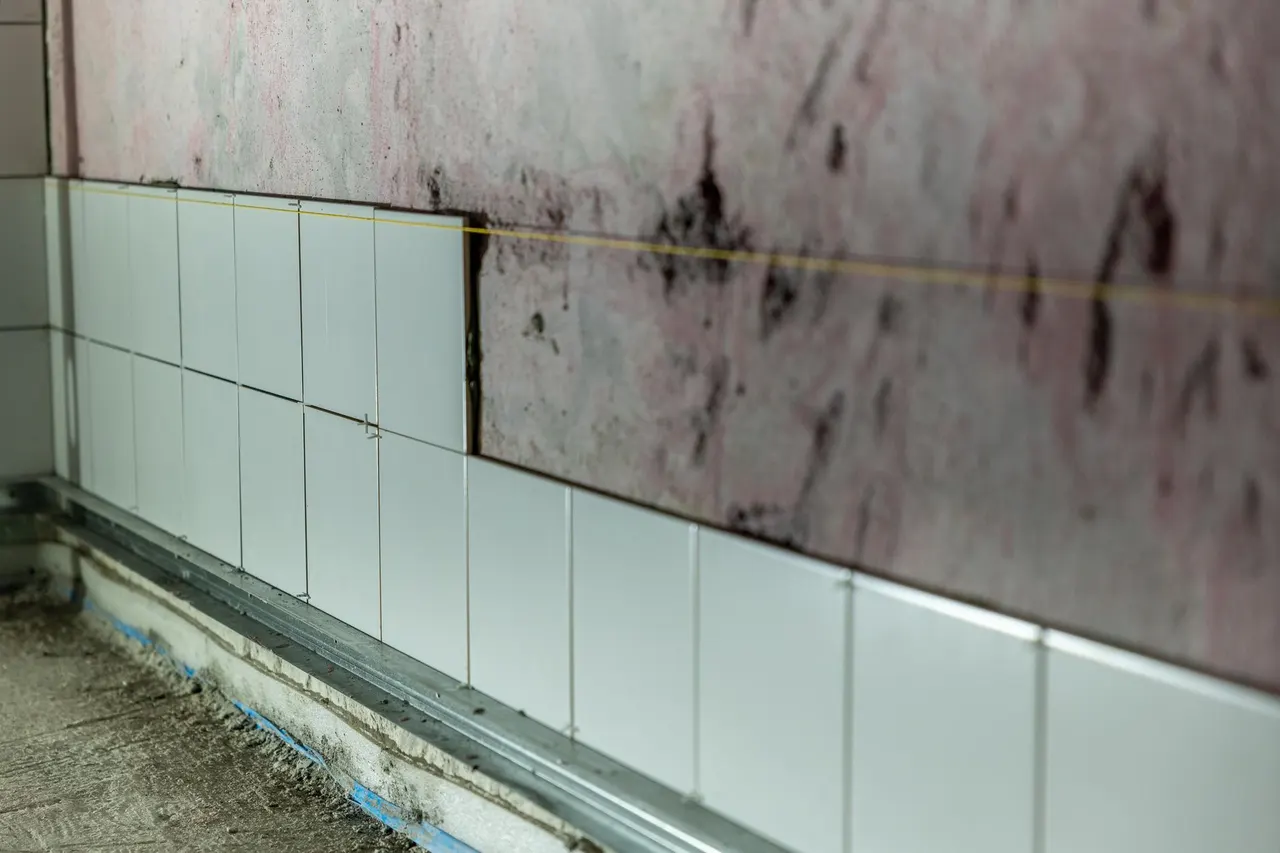
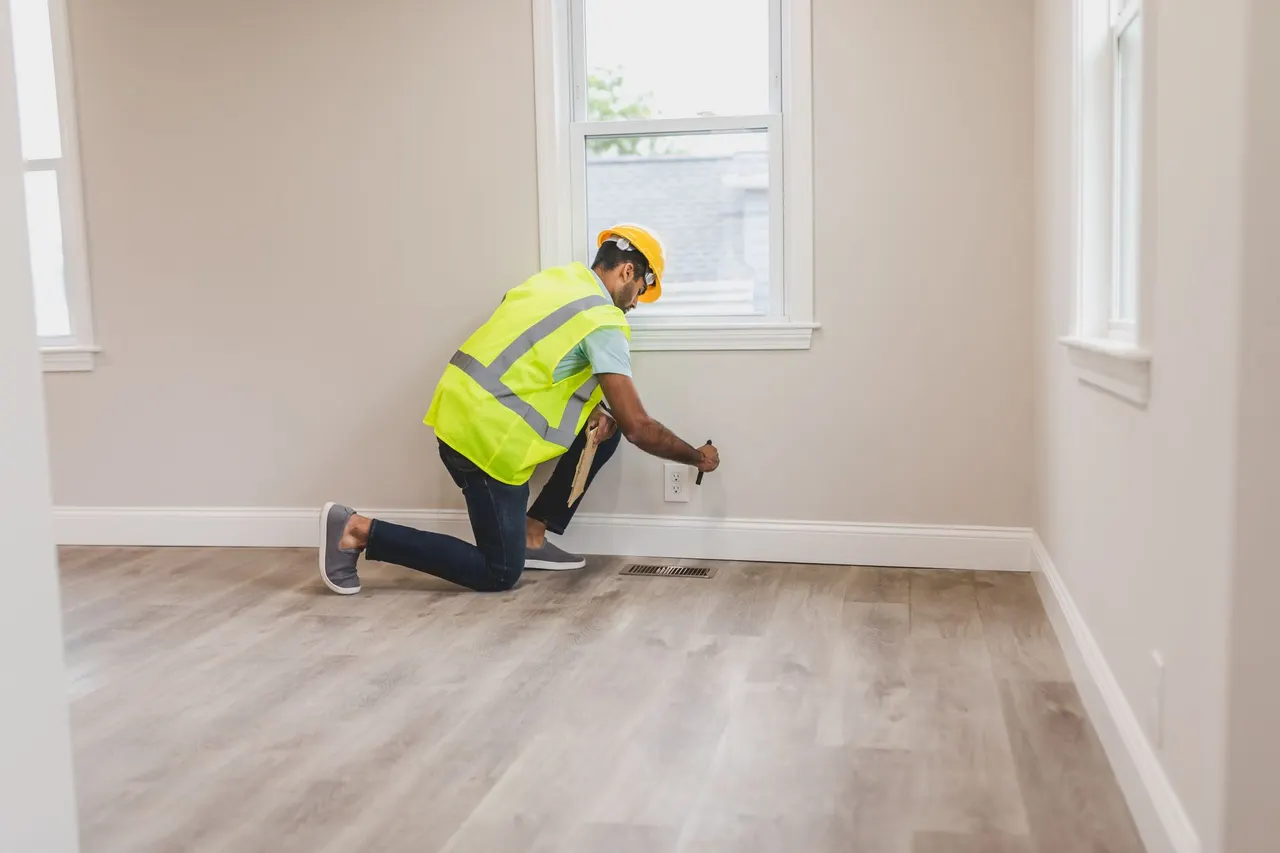
A provider can walk the affected rooms with you, ask when the leak began, and look for the water source and its path. A moisture meter helps map wet areas in walls and floors; an inspection camera can help check concealed spaces where access allows.
Walk-through
Moisture map
Source check
Control the source
A provider can confirm whether the water is still entering and identify the next practical step, such as shutting off a fixture or coordinating a plumbing repair. If storm water is entering through a roof, a provider can identify the wet area and limit additional exposure where safe. Stopping ongoing water is essential before extraction and drying can do their job.
Stop entry
Protect area
Plan access
Extract standing water
A provider can remove pooled water using suitable extraction equipment and protect nearby contents and walkways. Carpet and padding are assessed separately because water can remain trapped below the visible surface.
Extract water
Check surfaces
Clear contents
Dry and monitor
A provider can position air movers and dehumidifiers to circulate air across wet materials and lower indoor humidity. During the next several days, a provider can return to check readings and adjust equipment as conditions change. You will hear what is drying, what needs more time, and whether any material should be removed rather than left in place.
Set equipment
Track readings
Adjust airflow
Repair and restore
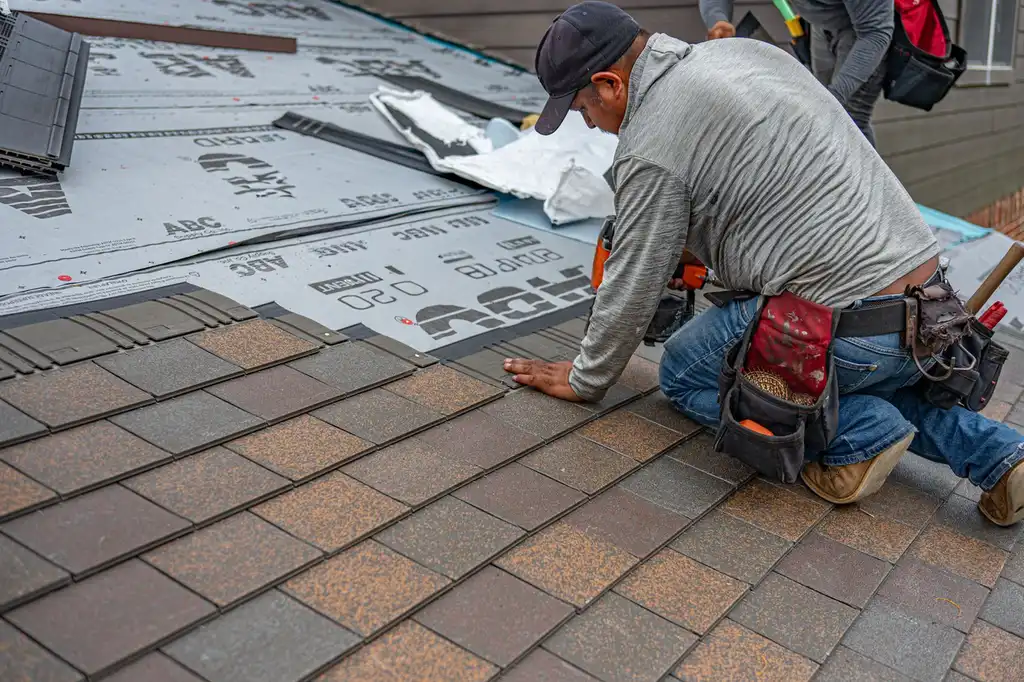
Once affected areas are dry and the source is controlled, a provider can move to appropriate repairs such as replacing damaged drywall, insulation, baseboards, or flooring. A provider can coordinate the sequence so new finishes are not installed over wet materials. Ask the provider for a clear summary of completed drying work and the remaining repair steps for your rooms.
Confirm drying
Plan repairs
Restore finishes
Squirrel HillSouth SideLawrenceville
How restoration works across Pittsburgh
Pittsburgh's hills, older housing stock, and changing weather create varied water-loss conditions. A basement in a hillside home may show foundation seepage at one wall, while a multi-level house can carry a pipe leak from an upper floor into a finished lower room.
In winter, a frozen pipe can release water before anyone sees the first stain; in fall and spring, heavy rain can overwhelm a sump system or expose a roof leak. The provider's Pittsburgh water damage restoration process accounts for those patterns by tracing water through the building rather than stopping at the first wet surface.
A provider can use moisture readings to check drywall, flooring, and framing, and the provider can plan removal where materials cannot dry safely. Work is performed with attention to applicable Pennsylvania Department of Environmental Protection regulations and Allegheny County Health Department guidelines when relevant to the loss.
Squirrel Hill: Older homes and finished lower levels can conceal water around flooring edges and foundation walls. A provider can check beyond visible staining when a basement leak is reported.
South Side: Multi-level properties can allow leaks to travel between floors. A provider can inspect the ceiling below a leak as well as the room where the water began.
Lawrenceville: Renovated interiors can combine older structures with newer finishes. A provider can check transitions around walls and floors where water can collect out of sight.
Oakland: Apartments and shared buildings require attention to neighboring units and common paths. A provider can document affected rooms and coordinate access around occupied spaces.
Winter freeze and thaw can stress exposed or poorly insulated plumbing.: A split line may release water into a wall or ceiling before it becomes visible. A provider can trace the leak path and check adjoining rooms so the drying plan accounts for hidden materials, not just the first wet spot.
Heavy rainfall can increase basement seepage and sump pump demand.: Water may enter at foundation joints, floor edges, or low points and spread into stored belongings. A provider can extract standing water, inspect affected finishes, and note whether recurring seepage needs separate source-control work.
A provider can walk through affected rooms and explain what the initial inspection shows.
A provider can protect nearby surfaces and position equipment around access needs.
A provider can check drying conditions, share observations, and review next steps.
Problems a restoration crew can solve
Water damage restoration helps when a leak has spread beyond the point where it started, when a room smells damp, or when materials show visible changes. In Pittsburgh, basement flooding and winter pipe failures are common reasons to act quickly. A provider can identify the affected area, remove water, and set a practical drying and repair plan.
Burst pipeA burst pipe has soaked walls, flooring, and stored belongings.Water can move through wall cavities and under floors, leaving framing and insulation wet even after the room's visible puddles are gone. A provider can help stop ongoing water entry, extract pooled water, and check the path with moisture readings. A provider can assess affected drywall, flooring, and contents, then dry salvageable materials and identify what needs removal. Ask the provider for a clear sequence for moving from mitigation to repairs.
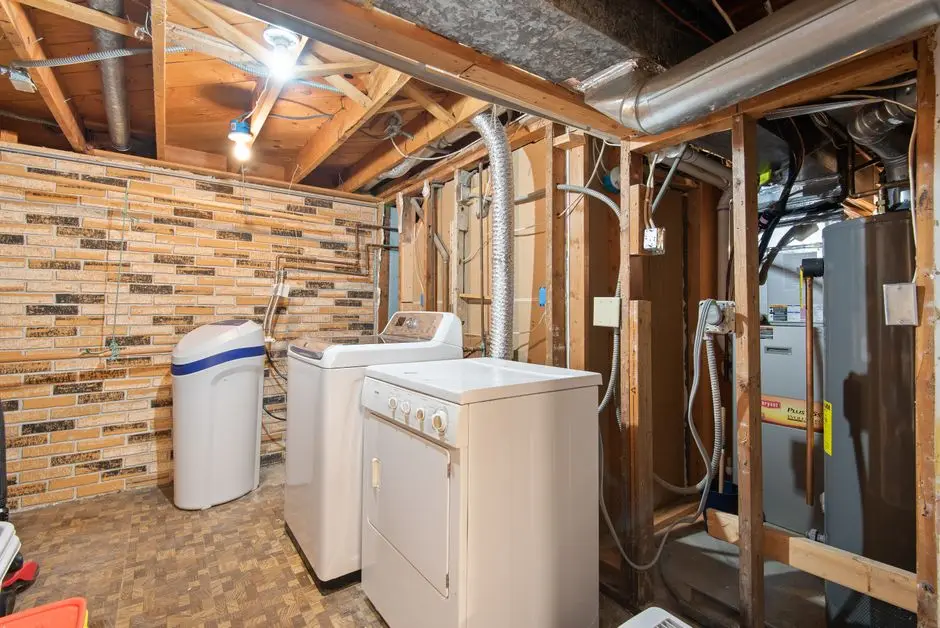
Damp basementBasement flooding leaves damp edges and a persistent musty odor.Moisture trapped at foundation walls, baseboards, or stored items can keep the basement damp and make odors linger after surface water is gone. A provider can extract water, inspect the wall and floor edges, and set up drying equipment suited to the room. A provider can look for moisture around stored contents and finished areas, then address materials that cannot be dried effectively. If seepage continues, a provider can identify the observed entry points for further attention.
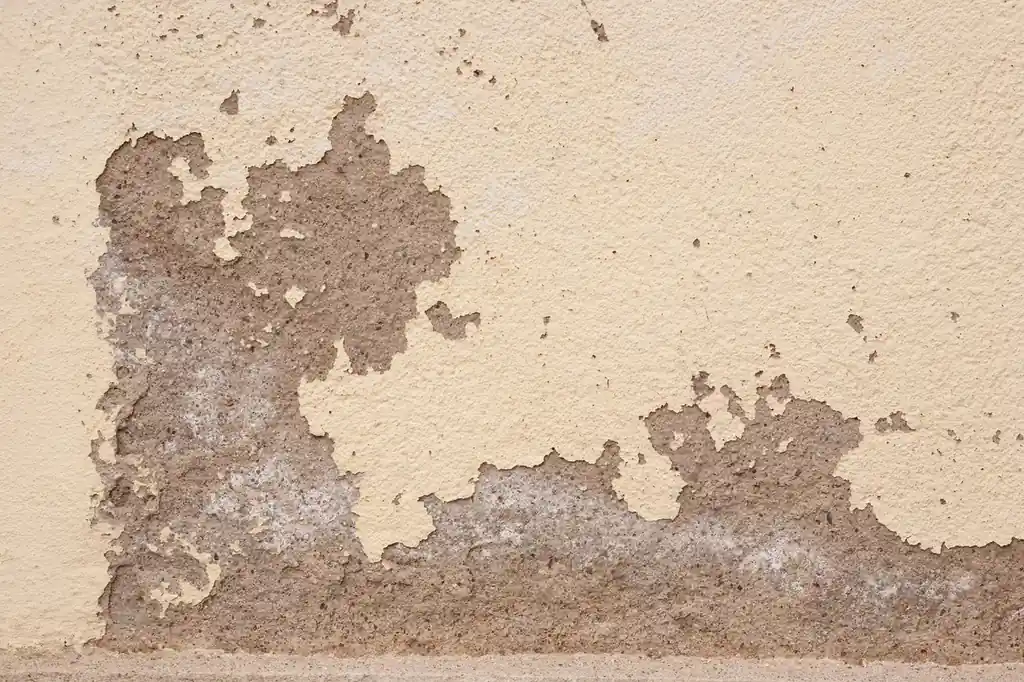
Roof leakA roof leak creates ceiling stains after a Pittsburgh storm.Water can spread along framing above the stain and weaken ceiling materials, making the visible mark smaller than the affected area. A provider can trace the wet area, check nearby ceiling and wall materials, and determine whether water is still entering. After the source is controlled, a provider can extract or remove affected materials as appropriate and dry the cavity before patching. That prevents new finish work from covering damp material.
Sewage backupA sewage backup contaminates carpet and finished basement surfaces.Contaminated water can expose people and belongings to unsanitary material, while carpet padding and porous finishes may be unsuitable for salvage. A provider can isolate the affected area, remove contaminated water and materials where needed, and clean surfaces with methods suited to the exposure. A provider can assess adjoining rooms for spread and explain which contents or finishes can be retained. Drying follows cleanup so remaining building materials are ready for repair.
Practical outcomes from careful drying
Dry materials, clear repair decisions, and a practical route back to usable rooms.
Less hidden moisture
A provider can check beyond the visible wet spot with a moisture meter and compare readings across affected and unaffected areas. That matters when water travels beneath carpet padding, behind baseboards, or under laminate flooring. Ask the provider for a drying plan based on the materials that are actually wet, rather than a fan placed beside the stain.
Clearer repair decisions
A provider can separate salvageable materials from swollen, contaminated, or structurally compromised ones. A provider can explain whether a section of drywall can dry in place or needs removal, then show you the affected boundary. That keeps restoration focused and gives you a practical path from extraction through repairs.
A documented drying path
A provider can record moisture checks and equipment placement as the job progresses, so you can follow why drying continues or when it is ready to stop. For residential water damage restoration in Pittsburgh, this is especially useful when a basement wall, subfloor, or ceiling cavity stays damp after the surface looks dry.
Safer return to rooms
A provider can remove standing water, address unsanitary sources appropriately, and dry the affected area before finish work. A sewage backup is handled differently from a clean supply-line leak. By treating the source and the materials together, a provider can help you avoid covering persistent moisture with new flooring or paint.
Drying and repair are different stages
Water removal and structural drying prepare a space for repairs; replacement finishes come after affected materials are ready.
Water removal
Standing water is extracted from accessible surfaces.
Pooled water extraction
Wet contents assessment
Initial material check
Structural drying
Airflow and dehumidification help dry affected building materials.
Equipment positioning
Moisture follow-up
Drying adjustments
Repair work
Damaged finishes are repaired after drying and source control.
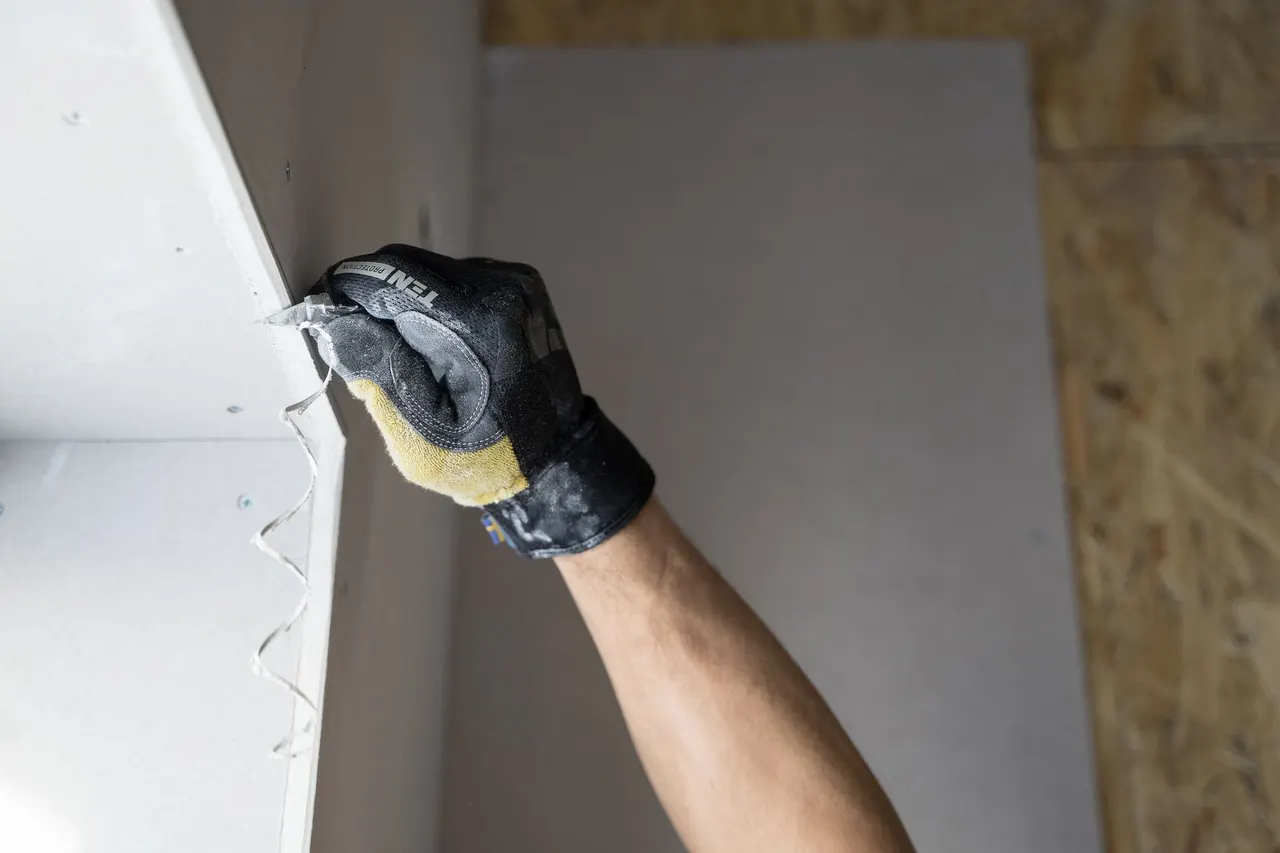
Drywall replacement
Flooring repairs
Baseboard restoration
Materials a provider can assess
Drywall
Insulation
Hardwood
Laminate
Carpet
Padding
Baseboards
Concrete
Areas near Pittsburgh
Choose your area for first steps and questions to ask. Availability depends on the independent provider.
There is no fixed price. It depends on the water source, contamination, affected area, materials removed, drying time and repairs. The independent provider sets its own price, so ask for a written estimate before work starts. Using this referral service is free.
Most water extraction and structural drying takes about 3 to 5 days, while repairs can extend the job to 1 to 3 weeks. Drying time depends on water volume, temperature, humidity, airflow, and whether materials such as insulation or subflooring remain wet. A provider can check moisture readings during follow-up visits and adjust equipment rather than stopping because a surface feels dry. A large or contaminated loss needs additional cleaning and may take longer.
Coverage depends on your policy, the cause of the water and the timing. Contact your insurer, photograph the damage, and keep receipts. Ask the provider what records they can give you. This referral service does not decide or promise coverage.
Restoration removes water, dries affected structures, and addresses contamination; repair replaces or rebuilds damaged finishes and components. Water damage repair and restoration in Pittsburgh may happen in sequence on one project, but drying should come before installing replacement drywall or flooring. A provider can assess what can be dried in place and what needs removal, then explain the transition from mitigation work to reconstruction so you can plan around the affected rooms.
Standing water spreads quickly into flooring, wall cavities, and stored belongings. Call (855) 920-5307 and tell the provider where the water started, what rooms are affected, and whether the source is controlled. A provider can provide clear next steps for your property.
Request a quote and a local provider can reach out to you. You can also call (855) 920-5307. Calls may be recorded for quality.
Pittsburgh Water Damage Fix is a free referral service that connects callers with independent, local water damage providers. We are not a contractor. Calls may be recorded for quality. Providers set their own prices, availability and credentials; ask them to confirm before work starts. See our privacy policy.
Call to describe the water source, the affected rooms and your ZIP code.