Structural Drying After Water Damage in Pittsburgh
Structural drying in Pittsburgh helps homeowners, tenants, and property managers limit damage after a pipe burst, roof leak, or basement flooding. A provider can locate moisture in walls, floors, and framing, then set up targeted drying equipment and track readings. If water is still present, prompt extraction and controlled airflow help protect drywall, insulation, and flooring from further damage.
Structural drying covers inspection, moisture mapping, suitable extraction when water remains, equipment setup, and follow-up checks on affected building materials. A provider can explain the areas being dried and document progress. Repairs, extensive demolition, contents restoration, and correction of the original leak are separate work needs that a provider can identify as the property is assessed.
Moisture Assessment
A provider can inspect visible damage and check likely pathways in nearby walls, flooring, and ceilings. Readings help distinguish a surface stain from moisture within building materials. Ask the provider for an explanation of affected areas and the conditions that will guide the drying setup.
Water Extraction
When standing water is present, a provider can remove it with equipment suited to the surface and volume. Extraction helps limit further absorption before air movement and dehumidification begin. A provider can also assess carpet and padding separately rather than assuming both are dry once the surface water is gone.
Equipment Placement
A provider can place air movers and dehumidifiers to address the affected area while maintaining practical access through the property. Placement depends on room layout, materials, and readings. A provider can explain operating noise and which walkways or work zones need to remain clear.
Progress Monitoring
Follow-up checks compare moisture readings with the initial assessment and unaffected reference areas. A provider can adjust equipment when conditions call for it and explain what has changed. Monitoring continues until readings support removing drying equipment and moving to any needed repairs.
Drying Documentation
A provider can record relevant readings, affected locations, and equipment checks during the job. This gives you a useful account of the drying process and helps coordinate the next repair step.
Homes and businesses.
The approach is the same for a home and a business. What changes is the access, the schedule and who needs the paperwork.
Homes and Rentals
A provider can inspect wet rooms and connected areas, then explain what needs drying and what access the equipment requires. You can ask questions as readings guide the next steps.
Basement flooding near stored belongings
Appliance leak beneath kitchen flooring
Pipe burst affecting two floors
Business Properties
A provider can assess affected rooms, access routes, and operating needs before placing equipment. Property managers receive clear updates on measured progress and areas requiring repair.
Roof leak above an active office
Flooded retail storage area
Pipe leak in a multi-unit building
Structural Drying in Pittsburgh Explained
A plain-language look at what Structural Drying involves and when it is needed.
Structural drying in Pittsburgh is a water damage recovery process that removes moisture from building materials after leaks or flooding. A provider can inspect affected rooms, map wet areas with a moisture meter, and check temperature and humidity before choosing equipment. Air movers direct airflow across damp surfaces while a dehumidifier collects moisture from the air. A provider can take follow-up readings rather than relying on touch or appearance alone. That matters because drywall, subfloors, and framing can remain wet after visible water has been removed.
Pittsburgh homes and commercial buildings face basement flooding, slab leaks, appliance leaks, and pipe bursts, with cold-season freezes adding risk to vulnerable plumbing. Older basements and enclosed cavities can hold water beyond the visible stain. The provider's structural drying services Pittsburgh address those hidden areas through inspection, controlled airflow, and repeat measurements. If you are searching for structural drying and dehumidification Pittsburgh Pennsylvania, a provider can begin by identifying the water source and affected materials, then explain the practical drying sequence.
Drying is complete when measured conditions support removing equipment, not when surfaces merely feel dry.
What it is
Measured removal of moisture from building materials after leaks or flooding.
When needed
After water reaches walls, floors, ceilings, framing, or insulation.
What to expect
Inspection, extraction if needed, equipment, follow-up readings, and repair planning.
The provider's Drying Process
Structural drying in Pittsburgh follows a measured sequence: stop the water source, remove standing water, assess materials, set equipment, and verify progress. A provider can explain each stage and keep the work area organized.
Inspect and Map
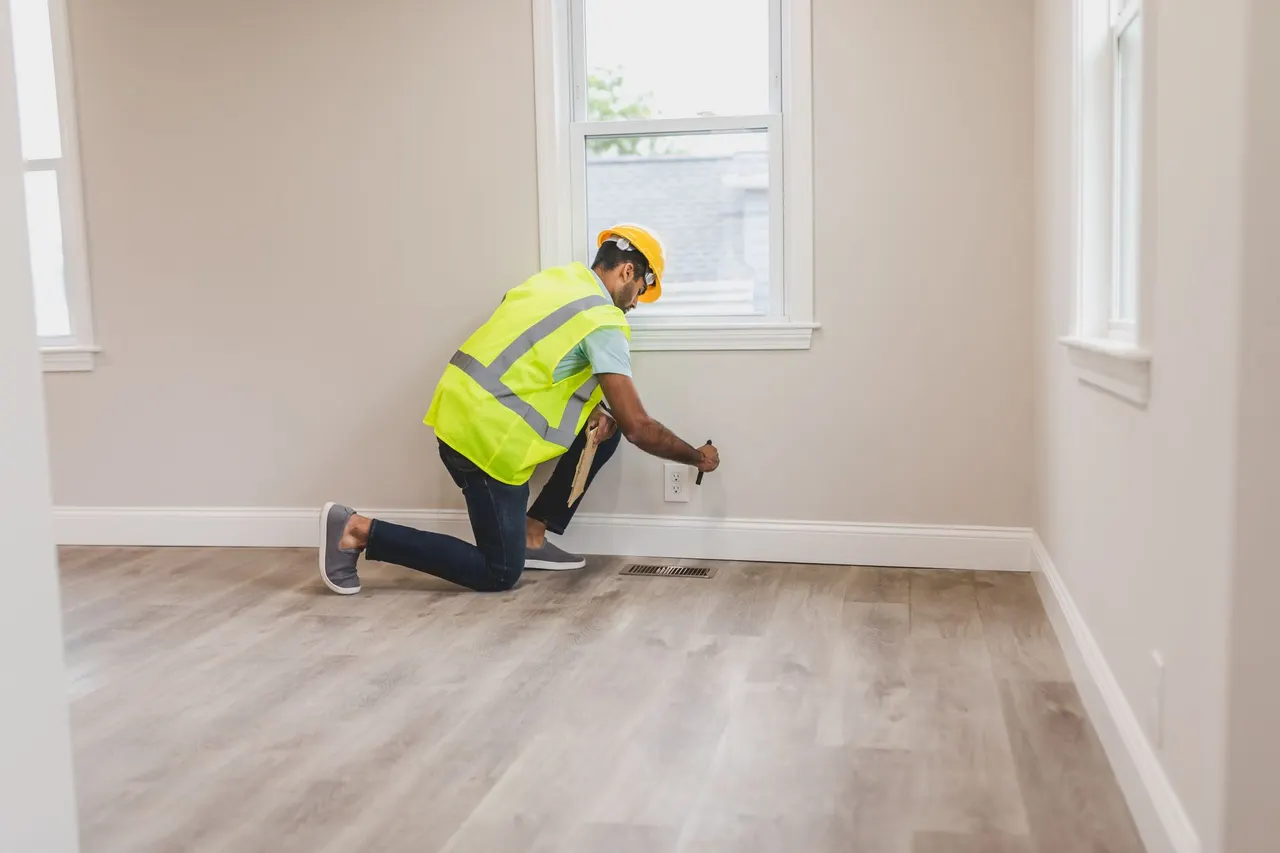
A provider can walk the affected area with you, ask when the water appeared, and check visible surfaces and likely pathways. A provider can use a moisture meter and infrared thermometer to map conditions in walls, floors, and ceilings. You see which areas need attention before equipment is placed.
Walk-through
Moisture map
Explain findings
Remove Standing Water
If water remains, a provider can extract it before active drying begins. A water extraction unit removes pooled water from floors and suitable carpet; a sump pump can help manage incoming basement water when the setup calls for it. A provider can separate cleanable contents from saturated materials and protect walkways.
Extract water
Protect access
Clear wet area
Set Drying Equipment
A provider can place air movers to direct airflow across wet surfaces and position a dehumidifier to collect moisture from the room. Equipment count and placement depend on room size, materials, and readings, not a one-size-fits-all formula. A provider can explain noise, access, and electrical considerations before setup. You will know which areas need to remain accessible while the equipment runs.
Place equipment
Review noise
Keep paths open
Check Moisture Progress
A provider can return for moisture checks, often daily during active drying, and compare readings with the initial map and unaffected reference areas. If readings stall, a provider can adjust airflow, dehumidification, or access to a cavity. A provider can also check for conditions that could support mold growth. The provider explains what changed and whether equipment should stay in place.
Compare readings
Adjust setup
Share progress
Confirm Drying and Close
When readings show the affected materials have reached appropriate dry conditions, a provider can document the final check and remove equipment. A provider can review any remaining repair needs, such as replacing damaged drywall or insulation, and identify the next trade if reconstruction is required. For a small, accessible loss, active drying may take 2 to 5 days; complex assemblies can take longer.
Final check
Remove equipment
Review repairs
South SideSquirrel HillOakland
How Structural Drying Works in Pittsburgh
Structural drying in Pittsburgh needs to account for cold-season pipe failures, damp basements, heavy rain, and the varied construction found across older neighborhoods and newer commercial spaces. In November and through winter, a frozen pipe or roof leak can send water into wall cavities before occupants notice a stain. Spring rain can expose foundation seepage, while summer storms can overwhelm a basement entry.
A provider can check the water path, material type, and room conditions before setting equipment. In older homes, plaster, masonry, and later finish layers can complicate access; in commercial properties, a provider can plan around occupied rooms and operating hours. The provider's Pittsburgh structural drying process uses moisture readings to track affected assemblies and guide equipment placement.
For professional structural drying in Pittsburgh, a provider can also consider local requirements relevant to the work, including Pennsylvania Department of Environmental Protection regulations and Allegheny County Health Department guidelines where applicable. ZIP coverage includes 15212, 15216, and 15217, with service across city neighborhoods and nearby communities.
South Side: Older attached homes and compact room layouts can make water travel from a plumbing leak through floor transitions. A provider can check adjacent spaces, not only the room with visible damage.
Squirrel Hill: Finished basements and mixed-age housing can conceal moisture behind wall finishes. A provider can map readings around the visible stain and inspect accessible lower wall areas.
Oakland: Multi-unit buildings and active workplaces require practical equipment placement and access coordination. A provider can document affected areas so occupants and property managers can follow the drying plan.
Mount Washington: Basements and sloped sites can face water entry after heavy rain. A provider can assess both interior moisture and signs that water may be entering again.
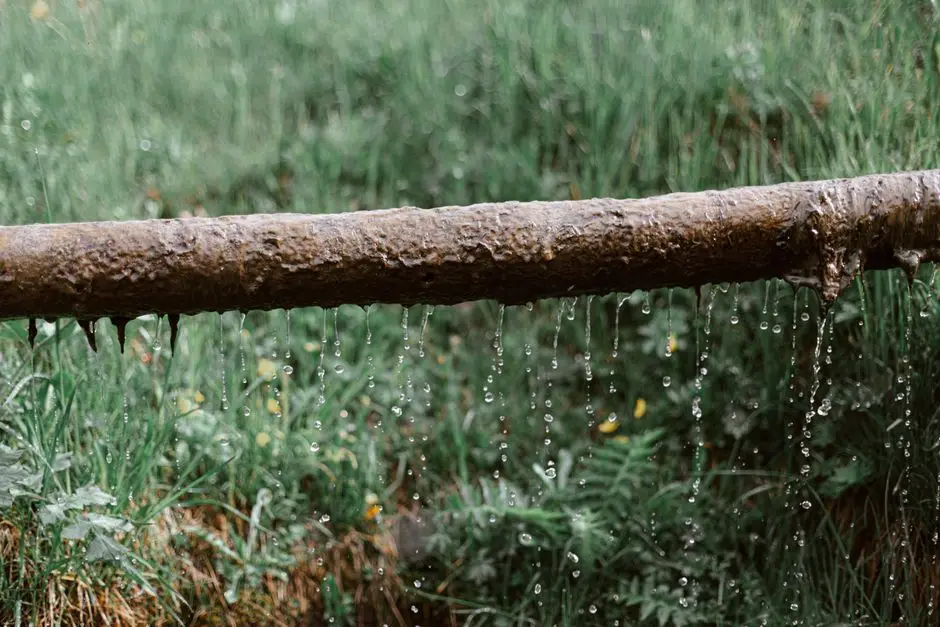
Cold snaps increase the chance of frozen plumbing failures: A burst line can wet multiple levels before the source is found. A provider can follow the water path through walls and floor openings, then check affected materials beyond the room where water first appeared.
Heavy rain can drive water toward below-grade rooms: Basement flooding and foundation seepage can leave water at wall-floor joints or under stored contents. A provider can remove standing water, inspect accessible finishes, and note signs of recurring entry that affect the drying plan.
Walk through affected rooms and explain initial readings.
Protect access routes and place equipment where needed.
Recheck materials, discuss progress, and outline next steps.
Problems Structural Drying Can Solve
Lingering moisture can damage materials after the leak or flood has stopped. The provider's structural drying work in Pittsburgh addresses hidden dampness, persistent humidity, and water spread beyond the visible stain. A provider can inspect the source path and use readings to guide what happens next.
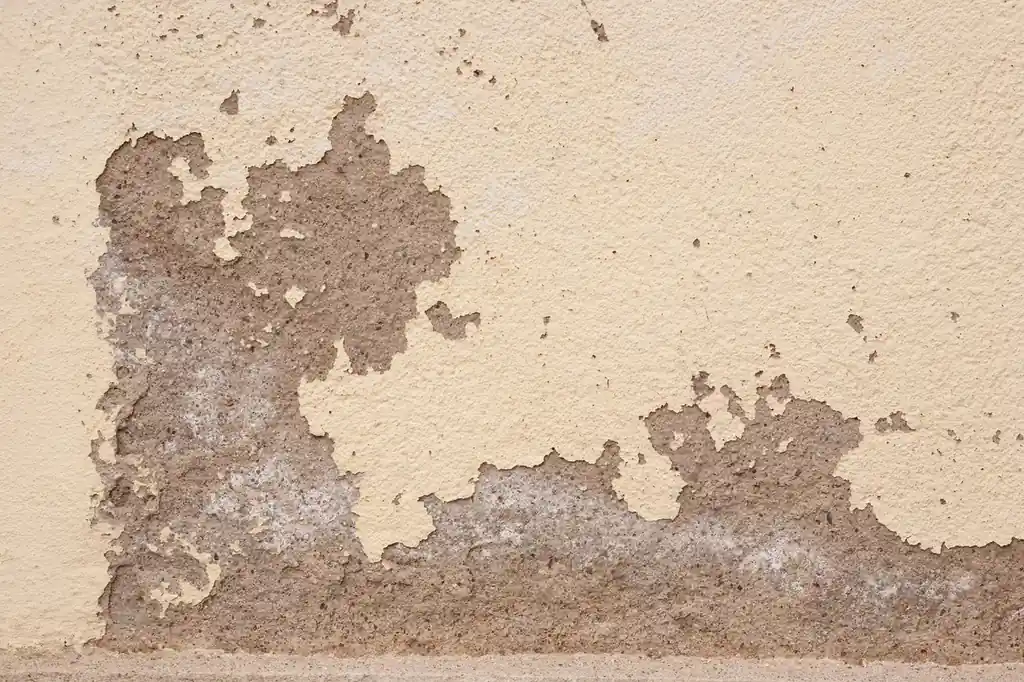
Damp basementA finished basement stays damp after water is removedMoisture behind wall finishes or under flooring can persist after visible water is gone, leading to musty odors, material damage, and difficult repair decisions. A provider can inspect the basement beyond the puddle line, check walls and flooring, and map moisture readings. If water remains, a provider can extract it and position drying equipment around affected materials. A provider can also look for conditions such as foundation seepage that could contribute to repeat wetting, then explain the drying and repair sequence.
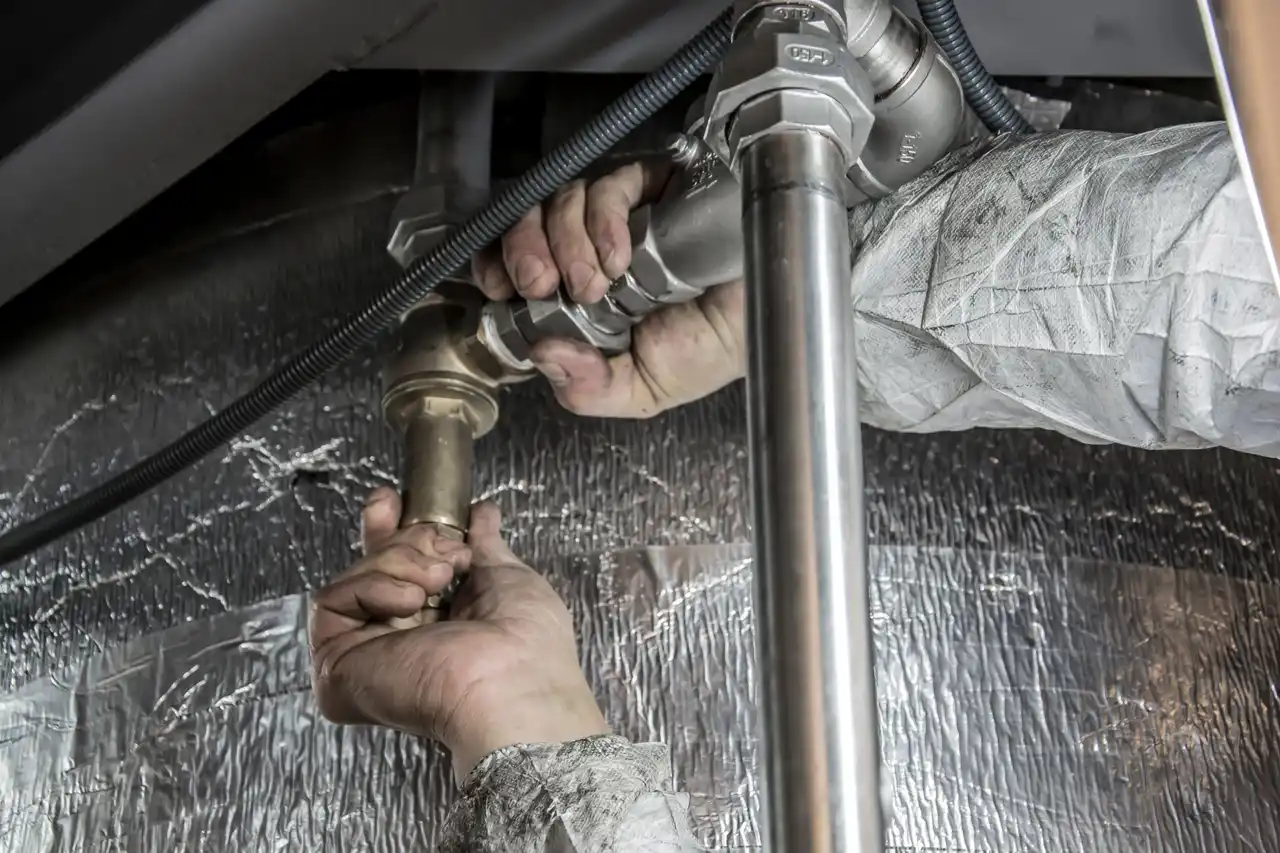
Burst pipeA pipe burst wets wall cavities and nearby roomsWater can move through framing and floor transitions, leaving hidden wet areas that are missed if cleanup stops at the room where the pipe failed. A provider can trace the likely water path from the burst pipe and inspect connected surfaces, including baseboards and adjacent flooring. A moisture meter helps identify areas requiring attention. A provider can extract standing water, set air movers and dehumidification, and return to check readings so you can see whether drying is progressing.
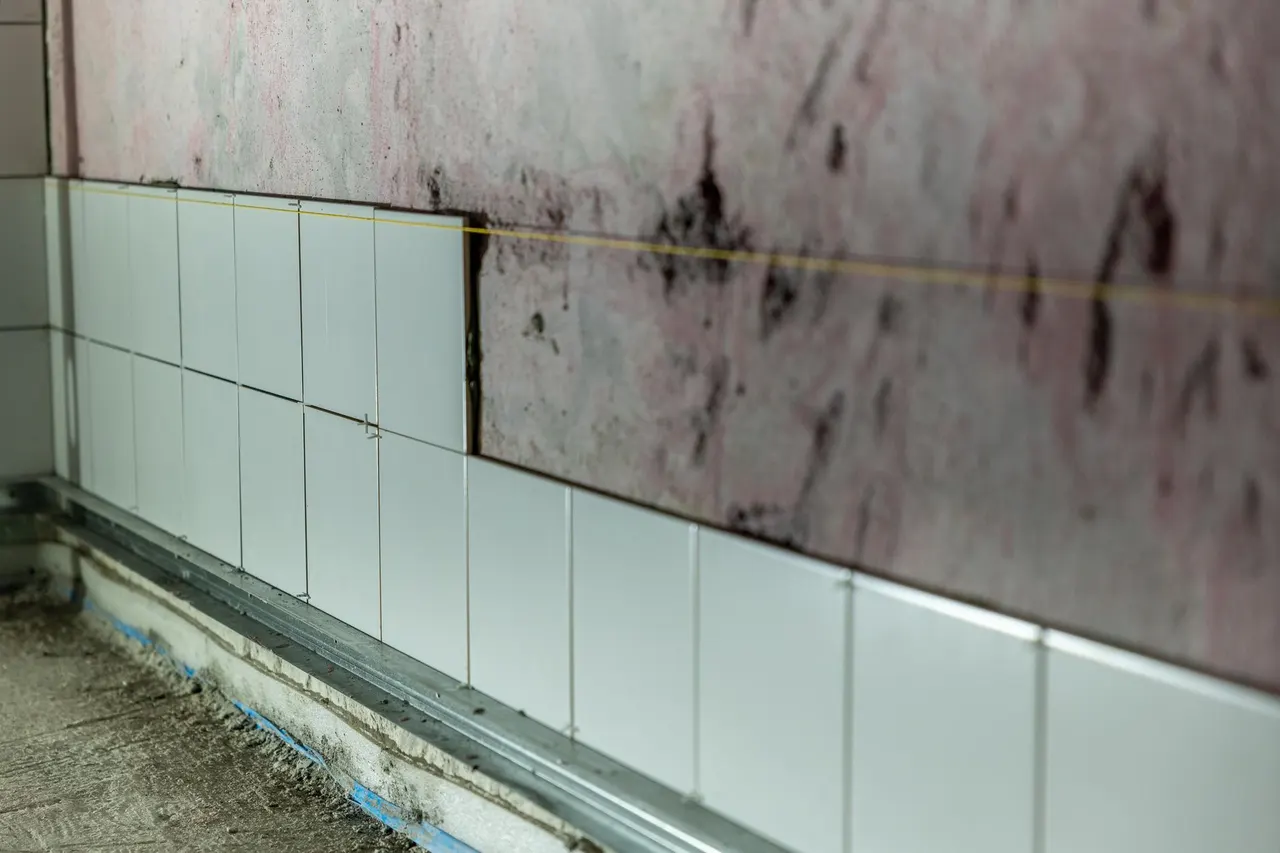
Roof leakA roof leak leaves stained ceilings and damp insulationA dry-looking ceiling stain can conceal moisture above the finish, while wet insulation and framing can remain affected after rainfall ends. A provider can inspect the ceiling and accessible cavity, identify the extent of damp materials, and arrange drying where appropriate. If insulation is saturated or finishes are compromised, a provider can explain the removal and repair needs. Drying checks help determine when the area is ready for reconstruction rather than closing it prematurely.
Lingering odorMusty odors persist after an appliance leakLingering odor can indicate damp padding, flooring edges, or cabinet spaces that were not reached during surface cleanup, prolonging discomfort and repair uncertainty. A provider can inspect around the appliance, cabinets, and adjacent flooring, then measure materials that could have absorbed water. A provider can dry salvageable areas and identify materials that need removal or cleaning. Correcting moisture conditions comes before odor treatment, so deodorization does not mask a continuing source.
What Proper Drying Protects
Measured drying helps protect materials and clarifies the next repair decision.
Protects Building Materials
Moisture left in drywall, baseboards, or plywood can lead to swelling, soft spots, and repairs that spread beyond the original leak. A provider can use readings to decide where airflow and dehumidification are needed, then check those areas during the job. That gives you a clearer basis for deciding whether materials can remain or need removal.
Targets Hidden Moisture
It does not replace a moisture meter; it helps direct the inspection. This targeted approach can reduce unnecessary opening while revealing damp areas around a pipe burst or appliance leak.
Controls Drying Conditions
Air movers and dehumidifiers work together to move moisture out of materials and remove it from the room air. A provider can adjust equipment placement to the room layout and material type, then record repeat readings. Controlled conditions help prevent a wet basement or enclosed room from staying humid after surface water is gone.
Supports Better Decisions
Clear readings help you understand whether drying is progressing and where additional work is needed. A provider can explain affected materials, equipment placement, and follow-up checks in plain language. For commercial structural drying Pittsburgh properties, this information also helps coordinate access, tenant communication, and decisions about keeping parts of a building operational.
Drying Versus Repair
Drying addresses moisture in building materials; reconstruction replaces or restores finishes after conditions are ready.
Surface water
Water visible on floors or other exposed surfaces.
Extract pooled water
Check nearby edges
Inspect contents
Material moisture
Water absorbed into walls, flooring, or framing.
Measure affected materials
Use targeted airflow
Repeat condition checks
Finish repair
Work that restores damaged surfaces after drying.
Replace damaged drywall
Repair flooring
Restore baseboards
Materials checked
Drywall
Hardwood
Laminate
Carpet
Padding
Baseboards
Plywood
Concrete
Areas near Pittsburgh
Choose your area for first steps and questions to ask. Availability depends on the independent provider.
Structural drying removes moisture from building materials after water intrusion, and it is needed when walls, floors, framing, or insulation remain damp. A provider can inspect after a pipe burst, roof leak, basement flooding, or appliance leak, then measure affected materials. Surface cleanup alone does not show whether moisture remains inside an assembly. A provider can use readings to guide equipment placement and follow-up checks, then explain whether drying or material removal is the appropriate next step.
Many contained structural drying jobs take 2 to 5 days of active equipment use. The schedule depends on how much water entered, which materials got wet, room humidity, and whether hidden cavities need access. A provider can check readings during the process and adjust equipment if progress slows. A wet basement with concrete and finished walls can take longer than a small, accessible floor leak. A provider can share progress after each check rather than promise a fixed finish time before inspection.
There is no fixed price. It depends on the water source, contamination, affected area, materials removed, drying time and repairs. The independent provider sets its own price, so ask for a written estimate before work starts. Using this referral service is free.
Availability is set by each independent provider and depends on your address and the time of your call. No arrival time is guaranteed. Call (855) 920-5307 and ask the provider when they can come. If anyone is in danger, call 911 first.
Wet walls or flooring need a measured drying plan before repairs close them in. Call (855) 920-5307 to speak with the local provider about your property and next steps. A provider can document moisture readings during the work.
Request a quote and a local provider can reach out to you. You can also call (855) 920-5307. Calls may be recorded for quality.
Pittsburgh Water Damage Fix is a free referral service that connects callers with independent, local water damage providers. We are not a contractor. Calls may be recorded for quality. Providers set their own prices, availability and credentials; ask them to confirm before work starts. See our privacy policy.
Call to describe the water source, the affected rooms and your ZIP code.