Appliance Leak Water Damage Repair in Pittsburgh helps homeowners and property managers limit damage from leaking washers, dishwashers, refrigerators, and water heaters. A provider can locate the wet area, extract standing water, and dry affected materials before swelling, staining, or musty odors spread. If you need appliance leak repair in Pittsburgh, call (855) 920-5307 and tell the provider which appliance leaked, when you noticed it, and what rooms are affected.
Appliance leak service covers water extraction, moisture assessment, drying setup, and follow-up checks for affected building materials. A provider can identify the likely source and document the wet area so the work stays focused. Repairing a washer, dishwasher, refrigerator, or plumbing connection is a separate trade task; replacing damaged finishes is planned after drying findings are clear.
Source and Area Check
A provider can inspect the appliance zone, nearby floor edges, cabinets, and the room below when water could have traveled through the structure. Ask the provider for a clear account of the visible damage and the areas a provider can monitor during drying.
Standing Water Extraction
A provider can remove accessible water from hard surfaces, carpet, and other affected areas with equipment suited to the material. Extraction reduces water held at the surface and prepares the room for targeted drying.
Moisture Monitoring
A provider can take readings from affected materials and compare them during follow-up visits. This helps the provider track whether flooring, drywall, or trim is drying and whether the equipment setup needs adjustment.
Drying Equipment Setup
Air movers and dehumidification are placed to support airflow and moisture removal. A provider can explain equipment locations, access needs, and the checks required to determine when active drying can stop.
Repair Findings
A provider can identify materials that need further repair after drying, such as swollen laminate, damaged baseboards, or affected drywall. The findings help you plan finish work without closing damp assemblies.
Homes and businesses.
The approach is the same for a home and a business. What changes is the access, the schedule and who needs the paperwork.
Homes and Rentals
A washer, dishwasher, or refrigerator leak can wet flooring and rooms below before the source is obvious. A provider can check affected materials and explain the drying plan.
Washer overflow in a finished basement
Refrigerator line leak under cabinets
Dishwasher water reaching a lower unit
Business Properties
Appliance leaks in shared kitchens or laundry areas can interrupt staff and affect neighboring units. A provider can document affected spaces and plan equipment placement around access.
Break-room dishwasher overflow
Laundry equipment leak in apartments
Water heater leak near stored stock
Appliance Leak Water Damage Repair in Pittsburgh
A plain-language look at what Appliance Leak Water Damage Repair involves and when it is needed.
Appliance Leak Water Damage Repair in Pittsburgh is a water damage restoration service that removes water and dries building materials after an appliance leak. A provider can start by identifying the source and extent of moisture, then extract water from floors, carpet, and accessible cavities. A moisture meter helps the provider track readings in drywall and flooring; air movers and a dehumidifier support controlled drying. A provider can document affected areas, protect nearby contents, and explain which materials can be dried and which need removal. The goal is to stop secondary damage while keeping the repair focused on the actual wet area.
Pittsburgh homes range from older houses with hardwood flooring and plaster transitions to newer buildings with laminate flooring and finished basements. A washer hose failure, refrigerator supply-line leak, or dishwasher overflow can travel under cabinets and into a lower-level ceiling. The provider's Pittsburgh appliance leak water damage repair team checks adjoining rooms, not just the visible puddle. For broader moisture intrusion, appliance leak water damage restoration and drying in Pittsburgh service addresses extraction, material checks, and drying together.
Find the wet materials, remove water, and track drying before repairing finishes.
Service
Extraction, moisture checks, and drying after a household or commercial appliance leak.
When needed
After water reaches flooring, cabinets, drywall, carpet, or a room below.
What follows
A documented drying plan, progress checks, and repair findings.
What Happens During the Repair
Appliance Leak Water Damage Repair in Pittsburgh follows a clear sequence: stop the water source, map the affected area, extract, dry, and verify. A provider can walk you through each stage and keep access paths clear where possible. The first visit usually focuses on controlling active damage and setting the right drying plan.
Stop the Source
A provider can begin by confirming which appliance leaked and whether water is still flowing. If it is safe, shut off the appliance supply valve while a provider can inspect the connection, drain, or overflow path. A provider may not repair the appliance itself, but identifying the source helps prevent another spill during cleanup.
Source check
Supply valve
Leak details
Map Moisture
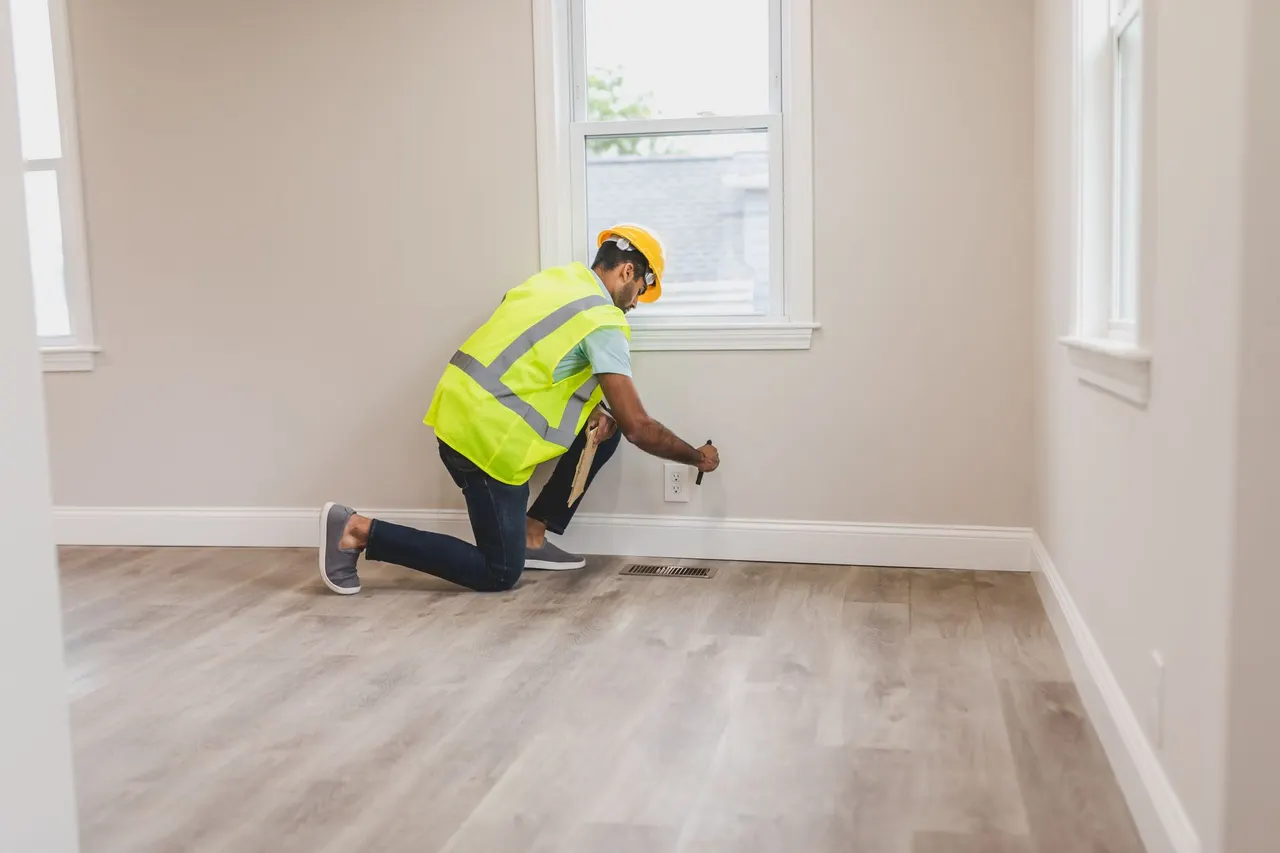
A provider can inspect the visible spill and nearby floor edges, cabinets, baseboards, and ceilings below. A moisture meter helps compare affected and unaffected materials; an inspection camera can help examine an accessible cavity without opening a large area. A provider can mark the wet zone, note material types, and explain what needs immediate attention.
Wet boundary
Material readings
Room below
Extract Standing Water
A provider can remove water from hard surfaces and affected carpet or padding using equipment suited to the material. If water has reached a basement or low point, a sump pump may help manage collected water while extraction proceeds. The customer sees the immediate puddles cleared first, followed by a check for water trapped along edges and under movable items.
Water removal
Floor edges
Contents check
Set Drying Equipment
A provider can place air movers to direct airflow across wet surfaces and use a dehumidifier to collect moisture from the room air. Equipment placement depends on room size, material, and readings rather than a fixed number of machines. A provider can explain noise, access, and electrical considerations before operation, then schedule checks to assess drying progress.
Air movement
Humidity control
Equipment setup
Verify and Plan Repairs
A provider can return to measure the same affected materials and compare readings with the initial map. When drying is complete, a provider can remove equipment and identify any repair work such as replacing baseboards, drywall, or flooring. Ask the provider for the findings and next steps, including whether a plumber or appliance technician should address the original leak.
Repeat readings
Drying review
Repair planning
Squirrel HillLawrencevilleOakland
How Appliance Leak Repair Works Locally
Pittsburgh's November cold makes an appliance leak more disruptive when a laundry room or basement has limited heat and airflow. Older homes in Allegheny County often have multiple finish layers, tight utility areas, or finished lower levels that hide water migration. A provider can check around appliance connections, cabinet bases, floor transitions, and ceilings below rather than relying on the puddle alone.
In older hardwood, moisture can show as cupping; laminate may swell at seams, while carpet padding can hold water out of sight. The provider's appliance leak repair near me response begins with the source and the building materials, then moves to extraction and measured drying.
For appliance leak water damage restoration and drying in Pittsburgh Pennsylvania properties need, a provider can document affected zones and check readings as equipment runs. A provider can follow applicable Pennsylvania Department of Environmental Protection regulations and Allegheny County Health Department guidelines when relevant to the work.
Squirrel Hill: Older houses and finished basements make it useful to inspect below laundry and kitchen appliances, not just the room where water appeared.
Lawrenceville: Narrow kitchens and tight cabinet runs can conceal a refrigerator line leak; a provider can check toe-kicks and floor transitions for migration.
Oakland: Apartments and shared building systems call for clear access coordination when a dishwasher or washer leak affects a unit below.
Brookline: Basement laundry rooms and stored belongings can complicate cleanup, so a provider can assess both the floor and nearby contents.
Cold-season rooms with limited heat and airflow: Cool conditions can slow evaporation and make drying equipment placement more important. A provider can check room temperature and humidity, then monitor materials rather than relying on a fixed equipment run time.
Older finishes conceal moisture at floor edges: Layered flooring, trim, or cabinets can hide water after the visible spill is gone. A provider can inspect transitions and compare readings so concealed wet materials are not overlooked.
A provider can walk through the leak area and explain what the provider can find.
A provider can protect access paths and place equipment for the affected materials.
A provider can review readings, drying progress, and repair needs with you.
Problems Fixed by Appliance Leak Cleanup
A small appliance leak can leave a large hidden wet area beneath flooring or behind cabinetry. A provider can focus on locating that moisture, removing water, and drying materials before damage spreads. For emergency washing machine leak water removal in Pittsburgh near me, describe whether water is active, which floor is affected, and what rooms are below.
Hidden floor waterWater trapped beneath kitchen flooring after a refrigerator line leakMoisture under hardwood or laminate can cause cupping, swollen seams, and damage to the subfloor. A surface wipe will not remove water trapped at the edges. A provider can map the affected floor, extract accessible water, and monitor readings at seams and nearby materials. If the flooring has lost its shape or bond, a provider can explain the affected section and plan repairs after drying. A provider can also check the cabinet base and any room below the leak path.
Wet carpet paddingLaundry overflow soaking carpet and padding in a finished basementWet padding holds water against the floor and can keep a musty odor in the room. Water may also reach baseboards and stored items before it is noticed. A provider can extract water from the carpeted area, assess the padding, and check the perimeter for migration. Where padding cannot be dried effectively, a provider can remove the affected portion and continue drying the floor beneath. A provider can document what can be salvaged and what needs replacement.
Stained lower ceilingDishwasher leak staining the ceiling in the room belowA ceiling stain can signal water inside the ceiling assembly, where insulation and framing remain wet after the appliance stops leaking. A provider can inspect the ceiling and the dishwasher area above, then take moisture readings to define the affected zone. If an opening is needed for access, a provider can keep it focused and explain why. Drying is verified before drywall finishing so trapped moisture is not sealed inside.
Slow heater leakSlow water heater leak creating dampness near basement storageA gradual leak can wet concrete, stored belongings, and nearby wall materials before a puddle becomes obvious. Damp conditions can produce persistent odors. A provider can remove standing water, move or protect affected contents, and check nearby walls and flooring for moisture. A provider can coordinate the cleanup with the separate plumbing repair needed to stop the leak. Dehumidification continues according to readings, not simply until the floor looks dry.
Practical Results for Your Property
A measured cleanup helps limit hidden moisture and supports sensible repairs.
Water Removed Promptly
Standing water in a laundry room or kitchen keeps spreading through seams and under trim. A provider can use suitable extraction equipment to remove accessible water, then check the floor edges and adjacent materials. A water extraction unit is selected to match the surface and volume, helping reduce the time your room stays wet.
Hidden Moisture Found
A dry-looking surface does not prove the cavity beneath it is dry. A provider can use moisture readings and targeted inspection to find damp drywall, baseboards, or flooring edges before closing the job. That helps you avoid covering trapped water with new trim or flooring and gives the repair plan a measurable basis.
Materials Assessed Clearly
A provider can separate materials that can be dried in place from those that have swollen, delaminated, or lost their structure. If a small section of drywall or insulation must come out, a provider can explain the reason and keep the opening focused. You can plan repairs around documented conditions instead of guesswork.
Drying Progress Tracked
A provider can monitor affected areas and adjust equipment placement as readings change. For many contained leaks, active drying takes roughly two to five days, with the actual duration depending on the materials, water volume, and room conditions.
Water source changes cleanup
A clean appliance supply leak and wastewater overflow do not call for identical handling.
Supply water
Water released from a pressurized appliance connection.
Trace the connection
Extract and dry
Check nearby materials
Drain overflow
Water released from an appliance drain or waste path.
Identify affected surfaces
Use suitable cleanup steps
Assess material removal
Hidden migration
Water that traveled beyond the visible appliance area.
Inspect floor edges
Check the room below
Track readings over time
Materials a provider can inspect
Hardwood
Laminate
Carpet
Padding
Drywall
Insulation
Baseboards
Cabinets
Areas near Pittsburgh
Choose your area for first steps and questions to ask. Availability depends on the independent provider.
There is no fixed price. It depends on the water source, contamination, affected area, materials removed, drying time and repairs. The independent provider sets its own price, so ask for a written estimate before work starts. Using this referral service is free.
Turn off the washer and its water supply, then keep people away from standing water near electrical equipment. If safe, move dry belongings out of the wet area and take photos before cleanup. Call for washing machine leak water damage restoration in Pittsburgh and tell the provider whether water reached a hallway, basement, or ceiling below. A provider can extract water, check nearby materials, and set drying equipment; a plumber or appliance technician should correct the failed hose or machine.
Coverage depends on your policy, the cause of the water and the timing. Contact your insurer, photograph the damage, and keep receipts. Ask the provider what records they can give you. This referral service does not decide or promise coverage.
Availability is set by each independent provider and depends on your address and the time of your call. No arrival time is guaranteed. Call (855) 920-5307 and ask the provider when they can come. If anyone is in danger, call 911 first.
A leaking appliance can keep feeding water into flooring, cabinets, or the ceiling below. Call (855) 920-5307 and tell the provider what leaked and where the water traveled. A provider can discuss the next step for extraction, drying, and damage assessment.
Request a quote and a local provider can reach out to you. You can also call (855) 920-5307. Calls may be recorded for quality.
Pittsburgh Water Damage Fix is a free referral service that connects callers with independent, local water damage providers. We are not a contractor. Calls may be recorded for quality. Providers set their own prices, availability and credentials; ask them to confirm before work starts. See our privacy policy.
Call to describe the water source, the affected rooms and your ZIP code.