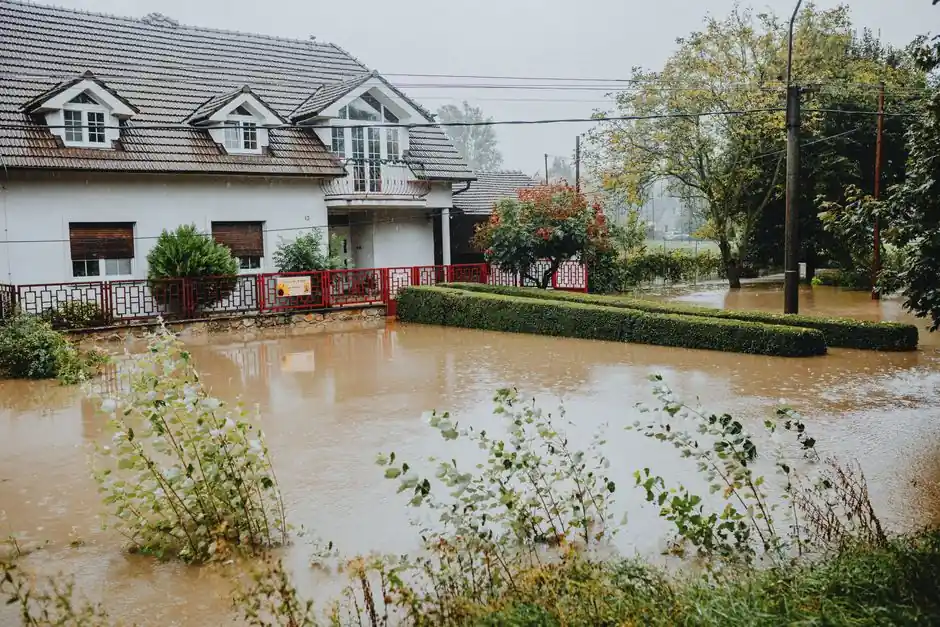
Sewage backup cleanup in Pittsburgh helps homeowners, tenants, and property managers regain control after a drain, toilet, or sewer line sends contaminated water indoors. A provider can extract standing waste, remove materials that cannot be safely restored, clean affected surfaces, and dry the structure. The provider's sewage cleanup in Pittsburgh response addresses the source area and hidden moisture, so you can move from an unsafe room toward a documented restoration plan.
Sewage cleanup covers assessment, isolation, extraction, removal of contaminated materials, surface cleaning, and drying checks for the affected area. The exact work depends on where wastewater traveled and what it contacted. Plumbing repairs, extensive reconstruction, and replacement of unrelated damaged systems are separate work; a provider can explain when those steps are needed so the cleanup stays focused on restoring the affected space.
Initial area assessment
A provider can locate visible sewage, identify affected rooms, and note which materials are wet or contaminated. The assessment also checks access, potential hazards, and whether water appears to be entering. You learn what the crew is addressing first and which areas need to stay clear during the work.
Water and debris extraction
A provider can remove standing wastewater and loose debris using suitable extraction equipment. The team controls the route from the affected room to the disposal point and avoids carrying contaminated water across clean floors. Extraction is followed by a material check because liquid can remain under flooring or along wall edges.
Contaminated material removal
Porous materials that cannot be cleaned effectively, including affected padding or insulation, are removed when the conditions require it. A provider can limit the opening to the impacted area where practical and protect nearby contents. Removal gives the crew access to surfaces that need cleaning and drying.
Surface cleaning and sanitizing
After visible soil is removed, a provider can clean affected hard surfaces and apply suitable sanitizing methods. Product use follows label directions and the surface's needs. Cleaning is not skipped: removing residue first is essential before disinfecting, and porous items are assessed separately.
Drying checks and records
A provider can position drying equipment and check affected materials as the work progresses. Moisture readings and photos help show the conditions observed and support the next repair decision. You can see which areas are dry enough for rebuilding and which still need monitored drying.
Homes and businesses.
The approach is the same for a home and a business. What changes is the access, the schedule and who needs the paperwork.
Homes and apartments
A backup can reach a finished basement, bathroom, or shared apartment hallway. A provider can identify affected materials and explain what needs removal, cleaning, and drying.
Basement floor drain overflow
Bathroom toilet backup
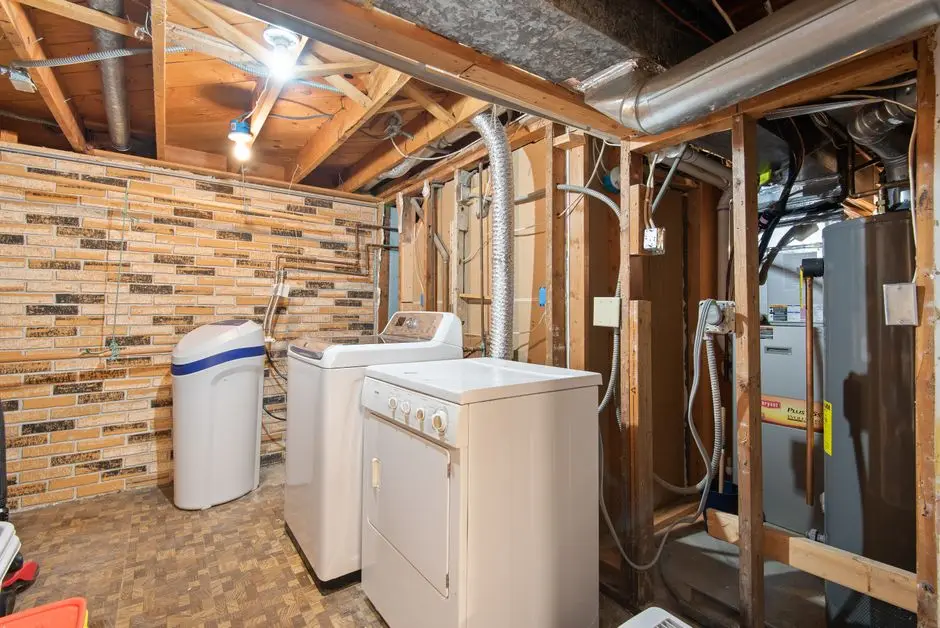
Laundry-room drain spill
Business properties
A sewage event can disrupt storage, customer areas, or shared corridors. A provider can isolate affected rooms and document conditions to support repair and reopening plans.
Shared basement storage rooms
Restaurant floor drain backup
Apartment building common areas
Sewage backup cleanup in Pittsburgh explained
A plain-language look at what Sewage Backup Cleanup involves and when it is needed.
Sewage backup cleanup in Pittsburgh is a water damage restoration service that removes sewage-contaminated water and materials, cleans affected surfaces, and dries the structure after a backup. A provider can start by identifying the affected rooms and separating contaminated contents from salvageable items. A provider can use controlled extraction, removal of porous materials where necessary, cleaning, and targeted drying. A moisture meter helps track damp building materials; the readings guide whether drywall, insulation, flooring, or baseboards need further attention. The work is finished with a final walkthrough and a clear record of the affected areas.
Older Pittsburgh basements, shared drains, and heavy rain can combine to push wastewater through a floor drain or lower-level bathroom. A pipe blockage or basement flooding can spread beneath carpet padding and into drywall before the surface looks fully wet. For Pittsburgh sewage backup cleanup, a provider can assess the water source and affected construction before choosing removal and cleaning methods. If you are looking for a sewage backup cleanup company Pittsburgh PA residents can call after a backup, a provider can explain the immediate containment, extraction, and drying steps.
Remove contaminated material, clean suitable surfaces, and verify drying before repairs.
What it is
Removal, cleaning, and drying after sewage contaminates indoor surfaces or materials.
When needed
When wastewater enters a room through a drain, toilet, sewer line, or plumbing failure.
What to expect
Area assessment, extraction, material decisions, cleaning, moisture checks, and repair guidance.
What to expect during cleanup
Sewage cleanup in Pittsburgh follows a practical sequence: assess, contain, extract, clean, and dry. A provider can explain what is happening at each stage, protect pathways through your property, and keep the work focused on the affected rooms. The first visit establishes the visible extent and the next actions.
Assess and isolate
On arrival, a provider can identify the backup source if it is accessible, map affected rooms, and check for electrical or structural hazards. A provider can separate the work area from unaffected space and discuss which items can be moved or protected.
Inspect area
Check hazards
Isolate rooms
Extract standing waste
A provider can remove pooled sewage with a water extraction unit or suitable pump, then collect debris without tracking it through the property. A sump pump may be used where a basement has deeper standing water and safe access.
Extract water
Collect debris
Protect route
Remove and clean
A provider can remove contaminated porous materials that cannot be cleaned effectively, such as saturated padding or affected insulation. Remaining hard surfaces receive cleaning and sanitizing appropriate to the material. A provider can protect the route used for debris and separate bagged waste from items being kept, so the cleanup does not spread contamination to other rooms.
Remove materials
Clean surfaces
Separate contents
Dry the structure
A provider can set air movers and a dehumidifier to circulate air and pull moisture from the affected structure. A hygrometer records room humidity, while moisture checks help the provider monitor drying progress. Drying often takes 3 to 5 days, but thick masonry, concealed cavities, and cool basement conditions can extend that period.
Set equipment
Track humidity
Check materials
Verify and plan repairs
A provider can recheck moisture levels, review the cleaned areas with you, and explain which surfaces are ready for repair. If readings remain elevated, a provider can adjust equipment placement and continue monitoring. Ask the provider for a record of the work and the next repair steps, such as replacing a small drywall section or restoring flooring.
Review readings
Explain repairs
Record findings
South SideSquirrel HillLawrenceville
How cleanup works across Pittsburgh
Sewage cleanup in Pittsburgh work often starts in a lower level, where floor drains, laundry connections, and older plumbing meet finished living space. Pittsburgh's cold winter conditions can slow drying in unheated basements, while heavy rain in other seasons can stress drainage and reveal foundation seepage. A provider can account for room temperature, access, and construction type when placing drying equipment.
In older row homes, a narrow stairway or shared entry can affect how extraction equipment and removed materials move through the property. A provider can protect the route and keep the work area organized. For emergency sewage backup cleanup in Pittsburgh Pennsylvania residents can call, a provider can ask about active flow, water depth, and which rooms have been reached.
A provider can document conditions and applies relevant local health guidance, including Allegheny County Health Department guidelines where applicable, while explaining what needs plumbing attention versus restoration.
South Side: Narrow stairways and finished lower levels can complicate access; a provider can plan a protected route for extraction equipment and removed materials.
Squirrel Hill: Basement laundry rooms and older floor drains can bring a backup close to stored contents, so a provider can check beyond the visible pool.
Lawrenceville: Older building layouts may include layered flooring and concealed wall cavities that need moisture checks after extraction.
Downtown Pittsburgh: Shared commercial access and occupied floors require clear separation of the affected room from corridors and customer areas.
Cold basement temperatures slow evaporation during winter cleanup: Cool air and concrete surfaces can lengthen drying beyond the initial equipment cycle. A provider can monitor conditions and adjust equipment placement rather than treating a fixed number of days as proof that materials are dry.
Heavy rain can overwhelm drains and expose entry points: A backup during a storm may combine sewer water with other basement moisture. A provider can identify the apparent source and affected footprint so contaminated cleanup does not overlook a separate seepage path.
A provider can walk through affected rooms and explain visible conditions.
A provider can protect the route and organize the work area.
A provider can review checks, records, and practical next steps.
Problems addressed by sewage cleanup
A sewage backup can contaminate finished rooms, damage building materials, and leave persistent odor. Basement sewage backup cleanup in Pittsburgh focuses on the full affected area, not just the visible pool. A provider can remove contaminated material, clean surfaces, and check moisture so you can move toward repairs with fewer unknowns.
Drain backupSewage pooled around a basement floor drainWastewater can spread beneath stored belongings and flooring, exposing more porous material and leaving odor after the visible water is gone. A provider can isolate the affected section, extract standing wastewater, and sort exposed contents for cleaning or removal. The crew checks flooring edges and nearby wall bases for moisture migration, then cleans suitable surfaces. Ask the provider for a practical account of what was affected and what needs drying or repair.
Wet carpetContaminated carpet and saturated padding in a finished roomCarpet backing and padding can hold contamination below the surface, while wet edges transfer moisture into trim and subfloor materials. A provider can assess the carpet and padding based on contact and condition, then remove material that cannot be effectively cleaned. After exposing the floor, a provider can clean the surface and check the subfloor for moisture. This lets you plan replacement after the underlying structure is ready.
Lingering odorSewage odor remains after the water is goneOdor can persist when residue, damp porous material, or contamination remains in a hidden edge, drain, or wall cavity. A provider can trace the odor to likely affected materials rather than relying on fragrance or fogging alone. The team checks the floor perimeter, accessible cavities, and nearby drains, then removes or cleans the source as appropriate. Drying and follow-up checks address any remaining moisture.
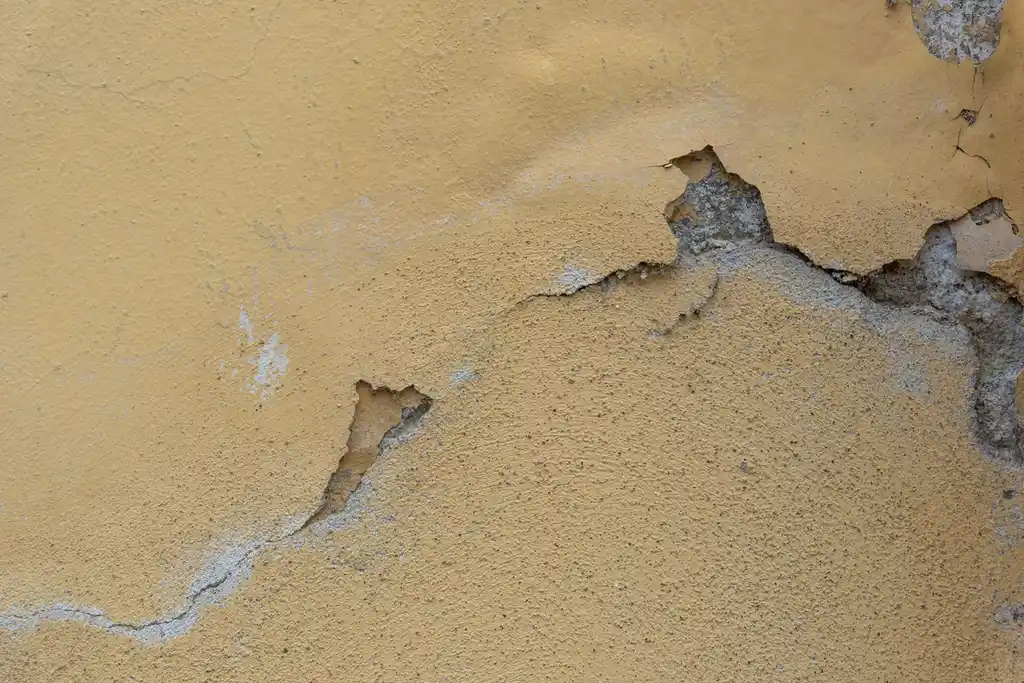
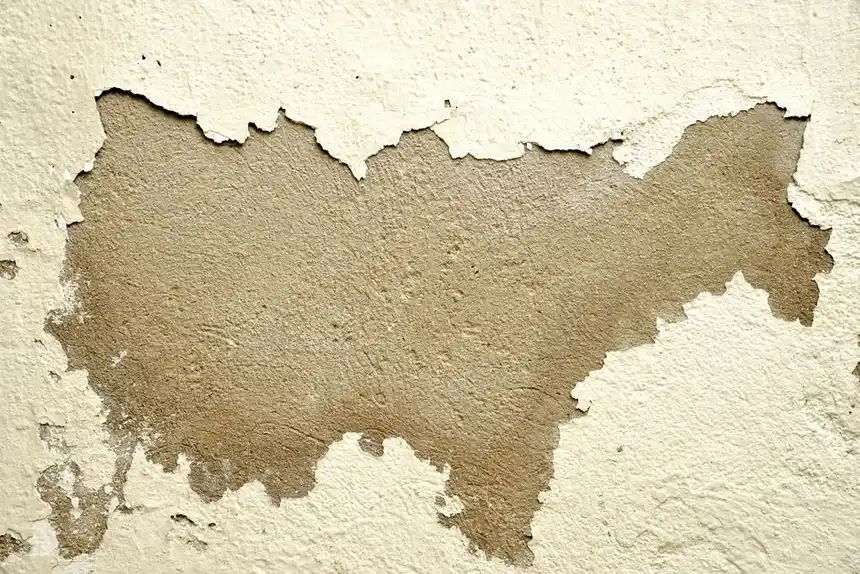
Wet wall cavityWet wall materials conceal the spreadMoisture behind drywall can damage insulation and framing, creating a larger repair if the wet cavity is closed before it dries. A provider can inspect the wall base and use moisture readings to determine whether the affected area extends beyond the visible stain. If contaminated drywall or insulation needs removal, a provider can open the area carefully, clean accessible surfaces, and dry the cavity before repairs proceed.
Practical results from cleanup
A cleaned, documented area with drying and repair needs made clear.
Contamination removed
A provider can extract standing wastewater and bag damaged porous materials for appropriate disposal. Removing wet carpet padding, saturated insulation, or compromised drywall reduces the material that can hold contamination and odor. The crew isolates the work zone from cleaner rooms, then cleans remaining hard surfaces before drying begins.
Hidden moisture tracked
A floor can feel dry while moisture remains beneath baseboards or inside a wall cavity. A provider can use moisture readings to check affected and nearby materials, then position drying equipment where it can move air across the actual wet area. Ask the provider for a clearer picture than a surface-only inspection provides.
Odor sources addressed
Persistent sewage odor usually points to residue or damp material that still needs attention. A provider can clean the affected surfaces and remove unsalvageable porous items rather than masking the smell. If the source is in a floor drain or plumbing line, a provider can identify that as a separate cause to resolve.
Repairs planned accurately
Once the contaminated area is cleaned and dry, a provider can identify the materials that need rebuilding. That may include a section of drywall, baseboards, or flooring rather than an entire room. You can plan repairs from documented conditions instead of guessing what is behind a stained surface.
Why water category matters
The source and contact surfaces guide the cleanup method; sewage exposure is not treated like a clean-water leak.
Clean water
Water from a sanitary supply before contact with contaminants.
Supply-line leak
Limited initial contamination
Assess materials promptly
Gray water
Used water with contaminants that require careful handling.
Appliance discharge
Avoid casual contact
Check porous surfaces
Sewage water
Wastewater containing harmful contaminants and solids.
Isolate the affected area
Remove unsalvageable materials
Clean before drying
Surfaces a provider can assess
Concrete
Drywall
Carpet
Padding
Baseboards
Hardwood
Insulation
Subfloor
Areas near Pittsburgh
Choose your area for first steps and questions to ask. Availability depends on the independent provider.
Keep people and pets out of the affected area and avoid touching the water. If it is safe to do so, stop the source without entering standing water, then call for cleanup. Do not run a household vacuum or fan through contaminated water. Sewage backup cleanup and sanitization Pittsburgh Pennsylvania starts with isolating the area, assessing hazards, and removing contaminated water and materials.
There is no fixed price. It depends on the water source, contamination, affected area, materials removed, drying time and repairs. The independent provider sets its own price, so ask for a written estimate before work starts. Using this referral service is free.
Coverage depends on your policy, the cause of the water and the timing. Contact your insurer, photograph the damage, and keep receipts. Ask the provider what records they can give you. This referral service does not decide or promise coverage.
Availability is set by each independent provider and depends on your address and the time of your call. No arrival time is guaranteed. Call (855) 920-5307 and ask the provider when they can come. If anyone is in danger, call 911 first.
Tell the provider where the backup occurred, whether water is still entering, and which rooms are affected. A provider can explain the immediate cleanup steps and what details help assess the job. Call (855) 920-5307 to get the conversation started.
Request a quote and a local provider can reach out to you. You can also call (855) 920-5307. Calls may be recorded for quality.
Pittsburgh Water Damage Fix is a free referral service that connects callers with independent, local water damage providers. We are not a contractor. Calls may be recorded for quality. Providers set their own prices, availability and credentials; ask them to confirm before work starts. See our privacy policy.
Call to describe the water source, the affected rooms and your ZIP code.