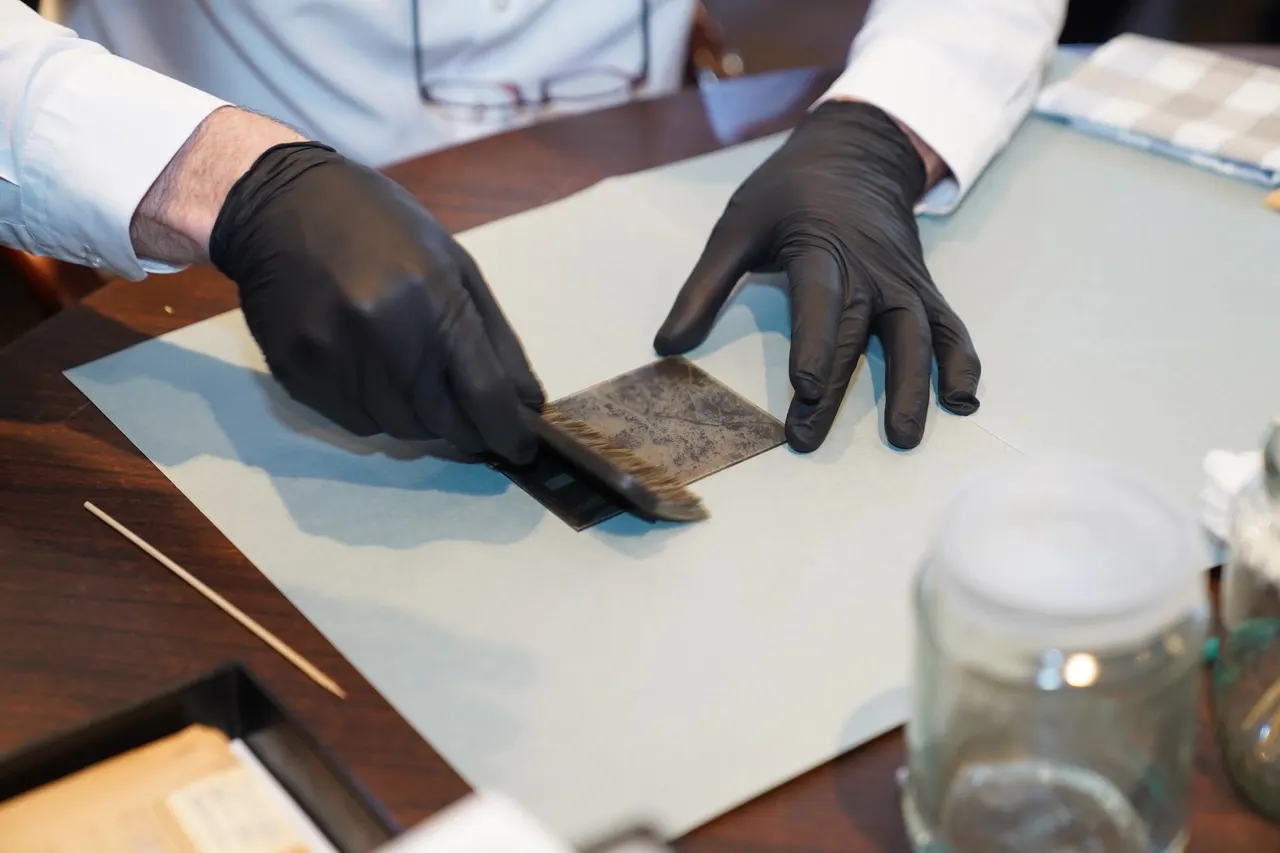
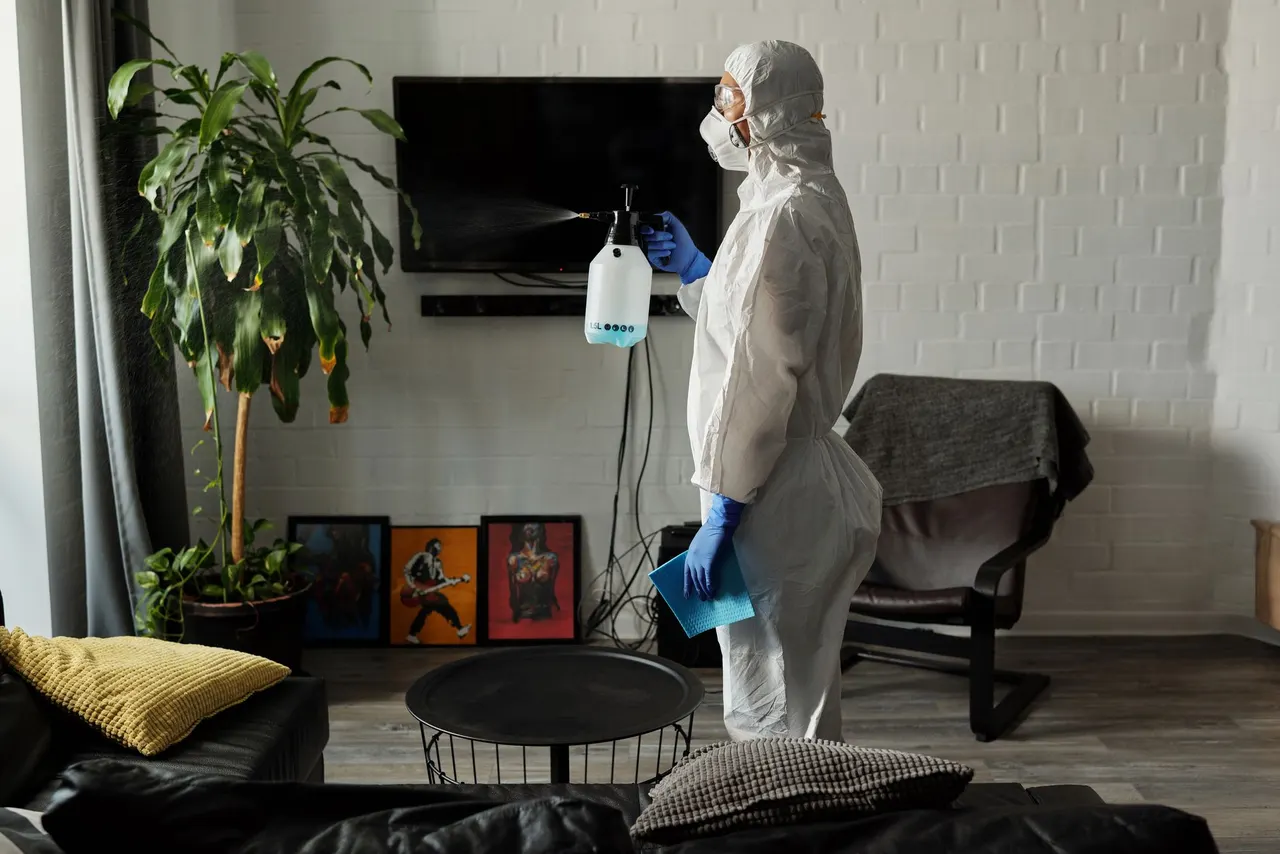
Content cleaning and restoration in Pittsburgh helps homeowners and businesses sort, clean, dry, and protect belongings affected by a leak, flood, or sewage backup. A provider can coordinate item handling with the building cleanup, so salvageable furniture, clothing, electronics, and keepsakes are not left in damp rooms. For content restoration in Pittsburgh, a provider can document affected items, separate cleaning needs, and explain practical next steps before the work moves forward.
Content recovery covers inspection, item documentation, sorting, appropriate cleaning, drying, and organized return for belongings affected by water. A provider can coordinate pack-out when items need a cleaner or safer work area. Specialized treatment for electronics, fine art, or delicate documents is handled according to the item and exposure. Building repairs and structural drying are coordinated separately as needed, so contents are not returned before the space is ready.
Inventory and Photographs
A provider can record affected items by room, note visible condition, and photograph contents before moving them. This creates a practical reference for tracking belongings through sorting, cleaning, and return. You can point out fragile or sentimental items that deserve priority handling.
Sorting and Pack-Out
A provider can separate belongings by material, water exposure, and handling needs. Items selected for off-site work are packed with room identifiers, while items suitable for on-site treatment remain accessible. This keeps clean and contaminated contents from being mixed.
Cleaning and Deodorizing
A provider can choose cleaning methods for the surface and water exposure rather than using one process on every item. Appropriate hard goods and textiles are cleaned, dried, and checked for residue or odor. Delicate materials are flagged for specialist review.
Drying Coordination
Contents work is scheduled alongside room drying and repairs. A provider can keep furniture and boxes clear of damp walls and floors, and return them only when the affected area is ready. This reduces the chance of cleaned belongings picking up moisture again.
Organized Return
Recovered belongings are grouped by their original rooms and checked against the inventory before placement. A provider can explain any care notes or items that need further attention. That organized handoff helps you put the space back together without sorting every box from scratch.
Homes and businesses.
The approach is the same for a home and a business. What changes is the access, the schedule and who needs the paperwork.
For Homes
A provider can sort household belongings by room, material, and exposure so you can track what is cleaned and what needs review. A provider can coordinate return with the home's drying progress.
Basement storage after flooding
Furniture near a pipe burst
Clothing affected by an appliance leak
For Businesses
A provider can document equipment, files, furnishings, and stock by work area to support organized recovery. A provider can coordinate contents movement with building access and repair activity.
Office files below a roof leak
Retail stock exposed to flooding
Furniture in a damp workspace
Content Cleaning and Restoration in Pittsburgh
A plain-language look at what Content Cleaning and Restoration involves and when it is needed.
Content cleaning and restoration in Pittsburgh is a recovery service that cleans, dries, deodorizes, and protects movable belongings after water intrusion. A provider can begin by identifying the water source and separating items by material, condition, and contamination risk. Furniture, clothing, books, electronics, and household goods need different handling; porous items exposed to sewage require a different decision from clean-water contact. A provider can photograph and inventory affected contents, then use appropriate cleaning and drying methods to reduce residue and odor while the structure is addressed.
Older homes, finished basements, and multi-unit buildings across Allegheny County face pipe bursts, roof leaks, appliance leaks, and basement flooding. Damp contents left stacked together trap moisture and can develop musty odors or mold growth. The provider's Pittsburgh content cleaning and restoration process separates salvageable belongings from items needing specialized review, then coordinates pack-out, cleaning, and return. For content cleaning and restoration after water damage Pittsburgh Pennsylvania, timing matters: the first 24 to 48 hours are important for limiting secondary moisture damage.
What it is
Cleaning, drying, documenting, and returning movable belongings affected by water.
When needed
After leaks, flooding, or backups affect household or business contents.
What to expect
Inspection, sorting, suitable cleaning, drying coordination, and an organized return.
What to Expect During Recovery
Content cleaning and restoration in Pittsburgh follows a clear sequence: inspect, document, separate, clean, and return. A provider can explain each step in plain language and coordinate the contents work with water removal and structural drying. The timeline depends on the number of items, material types, and the amount of moisture involved.
Inspect and Document
A provider can walk the affected rooms with you, identify the water source and note which belongings were exposed. Photos and an item inventory create a baseline before anything is moved. A provider can also flag items that need immediate handling, such as wet documents or electronics.
Walk-through
Photos
Inventory
Sort and Protect
A provider can separate items into groups for on-site cleaning, controlled drying, pack-out, or specialist review. A provider can use clean containers and protective wrapping where appropriate, keeping room labels with each group. For a small affected area, sorting may take several hours; a packed basement or commercial storage area takes longer. You can identify sentimental or high-priority belongings before handling begins.
Sort items
Room groups
Priority list
Pack Out Carefully
Items selected for off-site processing are logged, packed, and moved in an organized sequence. A provider can protect floors and clear a safe route through the property, then keep related items together by room. If the building remains wet, moving contents out also allows air movers and dehumidifiers to reach flooring and lower walls. A provider can tell you which belongings remain on site.
Pack safely
Label groups
Clear access
Clean and Dry
Cleaning methods match the item and the water exposure. Hard surfaces are cleaned and dried; textiles and furnishings receive suitable treatment, while delicate materials are referred for specialized handling when needed. Controlled drying can take 24 to 72 hours or longer for dense materials. A provider can coordinate with structural drying checks so contents are not returned to an unresolved damp area.
Clean items
Dry contents
Check condition
Review and Return
Before items are returned, a provider can check condition, confirm room groupings, and review any remaining concerns with you. Recovered belongings are placed in the agreed areas once the affected rooms are ready. A provider can share the final inventory and explain care steps, such as allowing additional airflow around wood furniture. You finish with a clearer record of what was cleaned and returned.
Review list
Return groups
Placement check
Squirrel HillLawrencevilleOakland
How Contents Recovery Works in Pittsburgh
Pittsburgh's older housing stock includes narrow stairways, plaster walls, finished basements, and rooms with limited staging space. A provider can plan the contents route before moving large furniture, especially in row houses and multi-unit buildings where shared entries must stay clear.
Cold-weather pipe bursts and November rain can quickly affect stored belongings, while spring storms and summer humidity create different drying demands. The provider's Pittsburgh content cleaning and restoration work is coordinated with water removal, moisture checks, and repairs rather than treated as a separate afterthought.
When a slab leak, roof leak, or basement flood affects contents, a provider can identify the source and exposure before sorting. For content restoration near me searches, a provider can serve Pittsburgh neighborhoods and surrounding Allegheny County communities, including Downtown, Oakland, and Squirrel Hill.
Squirrel Hill: Older homes and finished lower levels can make stair access and basement staging tight. A provider can plan a room-by-room route before moving furniture or packed belongings.
Lawrenceville: Narrow row-house entries call for careful packing and controlled movement. A provider can keep inventory labels with items so they can return to the correct room.
Oakland: Multi-unit properties may have shared corridors and limited loading access. A provider can coordinate contents movement to keep common paths usable during the recovery.
South Side: Finished basements and lower-level storage can expose household goods to seepage or flooding. A provider can prioritize stored items while the room is dried.
Cold snaps increase risk from frozen supply lines: A sudden pipe burst can soak belongings across multiple floors before the leak is located. A provider can prioritize vulnerable contents, clear access for water removal, and coordinate return with drying checks.
Steep lots can direct runoff toward lower levels: Basement flooding and foundation seepage may affect stored goods along exterior walls. A provider can separate wet contents from dry items and coordinate handling with source investigation and basement drying.
A provider can walk through affected rooms and explain what the provider can see.
A provider can protect the route and organize an item handling area.
A provider can review drying progress, inventory, and return steps.
Problems Content Recovery Solves
A water loss can leave valuable belongings wet, mixed together, and difficult to assess. In Pittsburgh, basement flooding and pipe leaks often affect stored goods before anyone notices. A provider can organize the contents response, protect items that need prompt handling, and coordinate the work with drying and repairs.
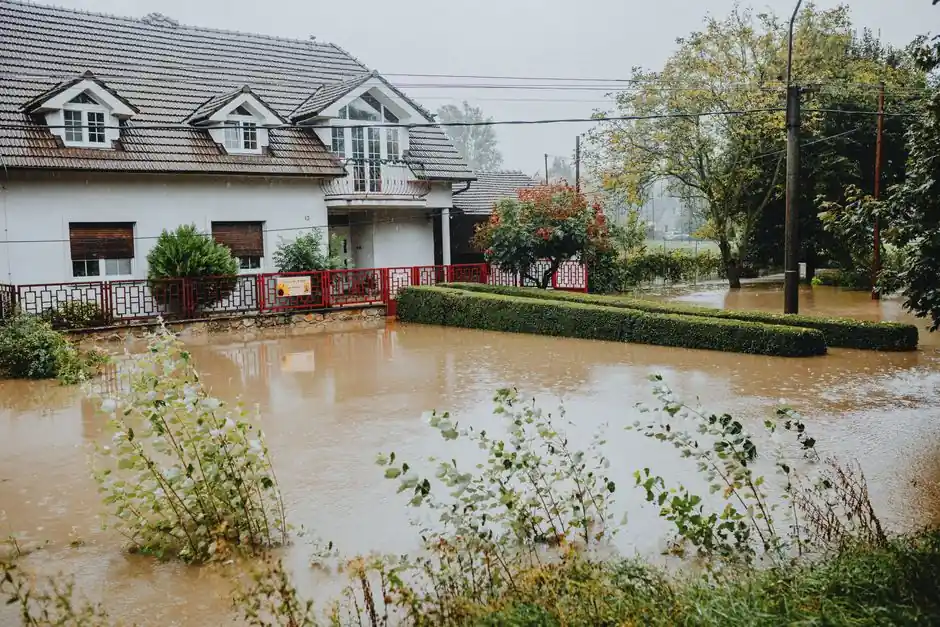
Crowded basementWet boxes and furniture crowding a flooded basementTrapped moisture can damage stored goods, leave musty odors, and block access to wet flooring that needs extraction and drying. A provider can document and sort basement contents, move priority items from wet areas, and coordinate cleaning with the room's drying plan. Ask the provider for room-based labels and a clearer decision for each group, instead of moving damp boxes repeatedly or returning them to an unfinished space.
Wet keepsakesKeepsakes and documents exposed to a pipe burstPaper, photographs, and fabric can swell, stick, or stain as water exposure continues, making careful early handling important. A provider can identify documents and sentimental belongings during the initial inventory, separate them from general household goods, and prioritize appropriate handling. A provider may not force wet pages apart; delicate materials are flagged for specialized review so you can make informed decisions about the next step.
Backup exposureSewage backup contaminating porous belongingsPorous materials can hold contamination and odor, while moving them through clean rooms can spread residue to unaffected surfaces. A provider can isolate affected contents, keep them separate from clean goods, and explain which items need disposal or specialist assessment. A provider can coordinate contents handling with sewage cleanup and sanitation, helping protect unaffected rooms and reducing cross-contamination during removal.
Lingering odorMusty odor lingering in returned belongingsReturning items before the room and contents are dry can trap moisture and allow odor to persist in upholstery, textiles, or storage goods. A provider can check item condition and coordinate return with drying progress instead of placing everything back immediately. Appropriate contents receive cleaning or deodorizing, and a provider can identify items needing additional attention. This makes the return more orderly and helps avoid bringing damp goods into a finished room.
Protect What You Can Recover
Tracked belongings, clearer recovery decisions, and an organized return to dry rooms.
Itemized Recovery Plan
A provider can record affected belongings by room and condition, then group them by cleaning method and handling priority. A documented inventory makes it easier to track items during a contents pack out and cleaning Pittsburgh project, including furniture, clothing, and boxed keepsakes. You can review what was removed, what stayed on site, and what needs specialist evaluation.
Less Secondary Damage
Removing wet contents from a damp room gives drying equipment room to work and helps prevent moisture from lingering beneath boxes or upholstered furniture. A provider can separate items from wet carpet and padding, and coordinate building drying so your contents are not returned to a space with unresolved moisture. Early action reduces avoidable staining, swelling, and odor.
Material-Specific Cleaning
Different materials need different treatment. A provider can sort washable textiles from finished wood, paper, and electronics instead of applying one cleaning method to everything. A moisture meter helps check affected areas, while item condition and water category guide cleaning decisions. Ask the provider for a practical explanation of what can be cleaned and what needs further assessment.
Organized Return
After cleaning and drying, a provider can keep recovered items grouped by room so placement is easier when the property is ready. A provider can note fragile or still-damp items and coordinate return with the restoration schedule. That means fewer misplaced boxes and a more orderly transition from emergency cleanup back to daily use.
Why water exposure matters
The water source and item material guide safe handling, cleaning choices, and whether specialist review is needed.
Clean water
Supply-line leaks still require prompt item assessment.
Separate wet textiles
Check wood swelling
Dry items promptly
Contaminated water
Backups and floodwater require stricter separation.
Keep groups isolated
Review porous goods
Limit cross-contact
Delicate contents
Paper, electronics, and keepsakes need careful evaluation.
Prioritize important records
Avoid forcing wet pages
Refer specialty items
Items and surfaces
Furniture
Textiles
Documents
Electronics
Hard goods
Wood finishes
Carpet
Storage boxes
Areas near Pittsburgh
Choose your area for first steps and questions to ask. Availability depends on the independent provider.
There is no fixed price. It depends on the water source, contamination, affected area, materials removed, drying time and repairs. The independent provider sets its own price, so ask for a written estimate before work starts. Using this referral service is free.
Many belongings can be recovered when they are assessed and handled promptly, but the result depends on material, water type, and exposure time. Hard goods and washable textiles often respond differently from swollen particleboard, soaked paper, or sewage-contaminated items. A provider can separate categories, document condition, and recommend cleaning or specialist review where appropriate. If your home has a pipe burst or basement flooding, tell the provider what was wet and when it happened.
Content cleaning and restoration is the inspection, inventory, cleaning, drying, and return of movable belongings affected by water or related residue. It can include furniture, clothing, household goods, and documents, with methods selected for each material. The work is coordinated with building drying so items are not placed back into damp rooms. A provider can also identify belongings that need specialized treatment rather than routine cleaning.
Availability is set by each independent provider and depends on your address and the time of your call. No arrival time is guaranteed. Call (855) 920-5307 and ask the provider when they can come. If anyone is in danger, call 911 first.
Tell the provider what was wet, when the loss happened, and whether the water came from a clean supply line or a backup. A provider can discuss contents priorities and how the work fits the building cleanup. Call (855) 920-5307 to start the conversation.
Request a quote and a local provider can reach out to you. You can also call (855) 920-5307. Calls may be recorded for quality.
Pittsburgh Water Damage Fix is a free referral service that connects callers with independent, local water damage providers. We are not a contractor. Calls may be recorded for quality. Providers set their own prices, availability and credentials; ask them to confirm before work starts. See our privacy policy.
Call to describe the water source, the affected rooms and your ZIP code.