Commercial water damage restoration in Pittsburgh helps building owners, facility managers, and tenants limit closure after a leak, flood, or pipe failure. A provider can remove standing water, check affected materials, and set up drying for offices, retail spaces, warehouses, and multi-unit properties. For commercial water damage restoration in Pittsburgh businesses need a clear plan that addresses both the visible water and moisture hidden behind walls or beneath flooring.
Commercial restoration generally covers inspection, water extraction, drying, moisture monitoring, and repair planning for the affected building areas. A provider can identify what can be dried and what needs removal, while keeping your operational priorities in view. Cleaning, contents handling, reconstruction, and specialized contamination work are added when the water source or material condition requires them.
Damage Assessment
A provider can inspect the affected rooms, identify visible water paths, and check surrounding materials for concealed moisture. Ask the provider for a clear explanation of immediate hazards, areas to protect, and the next work steps.
Water Extraction
A provider can remove standing water from accessible floors and affected spaces, using equipment suited to the volume and building layout. A provider can protect routes and nearby contents while clearing pooled water.
Drying Setup
A provider can place air movers and dehumidification equipment based on room conditions and material readings. Equipment placement accounts for staff access, exits, and sensitive areas that need separation from active work.
Moisture Monitoring
A provider can take follow-up readings in affected materials and adjust the drying setup as conditions change. Monitoring helps determine when repairs can proceed and whether hidden cavities need additional attention.
Repair Coordination
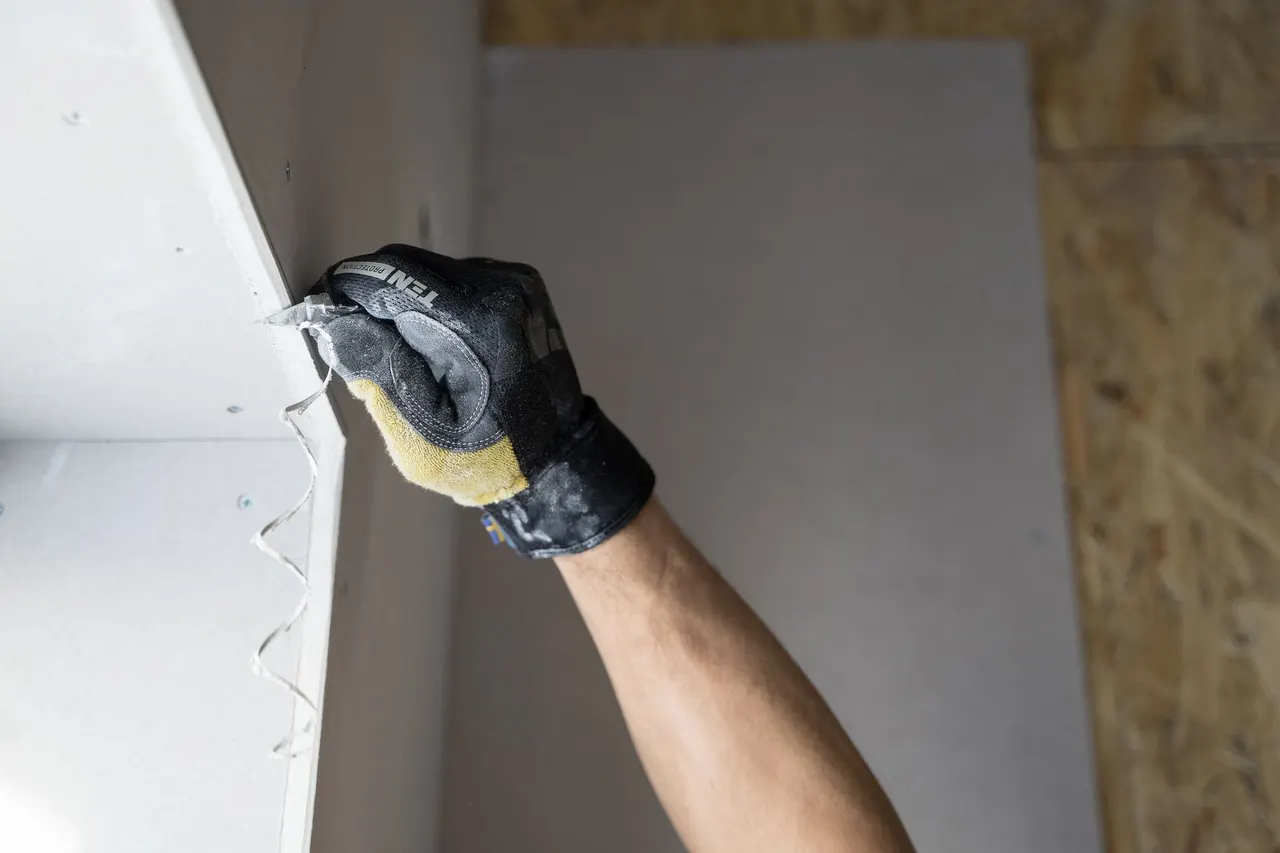
A provider can identify damaged drywall, flooring, baseboards, or insulation that needs repair or replacement after drying. Your site contact can plan the repair stage around business hours and access needs.
Homes and businesses.
The approach is the same for a home and a business. What changes is the access, the schedule and who needs the paperwork.
Homes and Rentals
A provider can help homeowners and tenants address leaks, flooding, and damp materials before damage spreads. A provider can inspect the affected rooms and explain the drying and repair steps.
Basement water after heavy rain
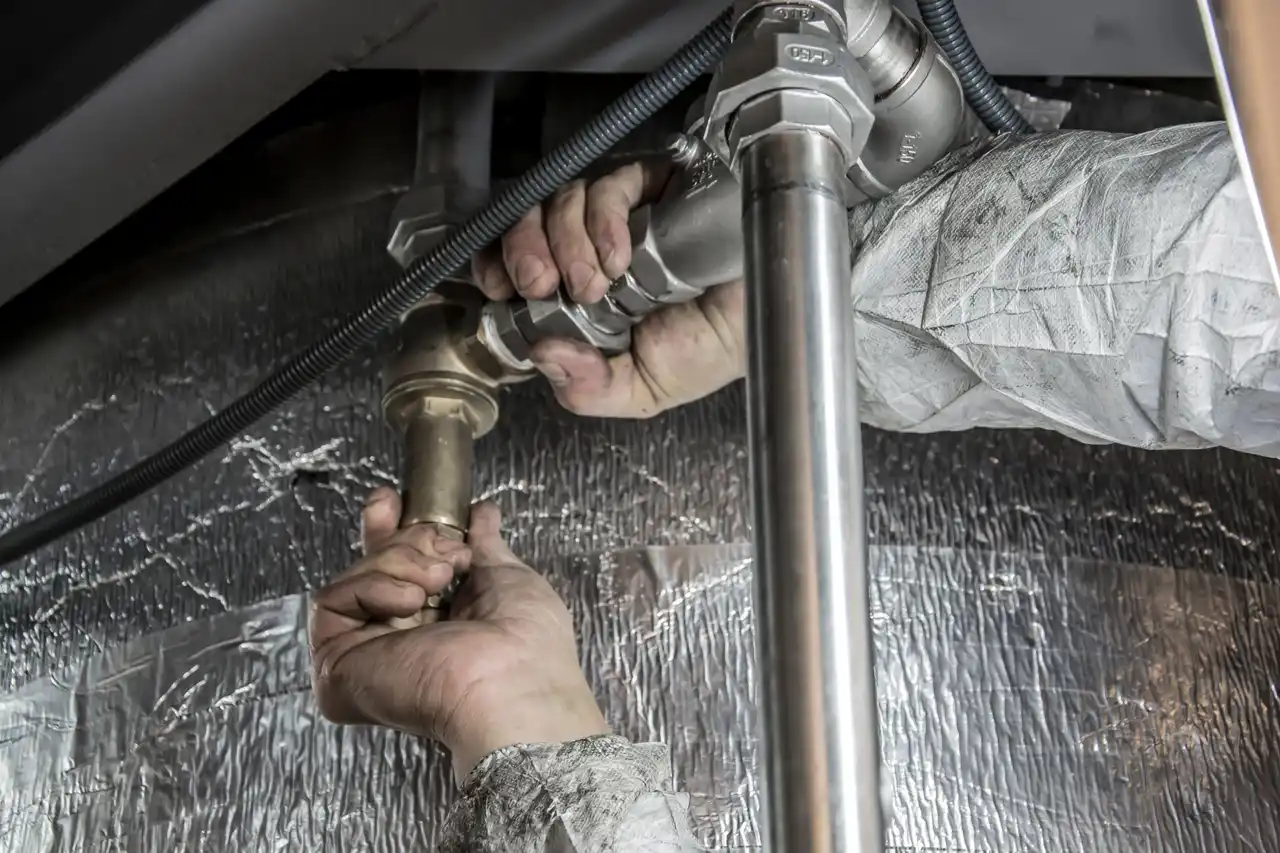
Pipe leak beneath a kitchen sink
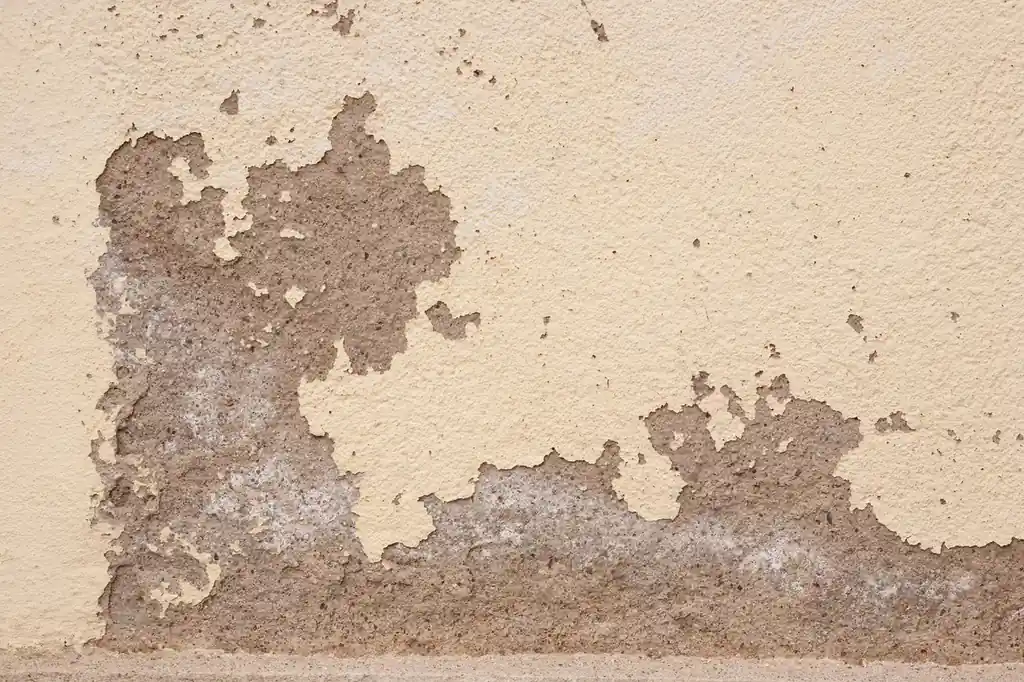
Ceiling stains from a roof leak
Business Properties
A provider can help owners and property managers control water damage while considering staff, tenants, contents, and building access. A provider can plan work zones around the needs of your operation.
Wet office carpet after a pipe burst
Flooded stockroom or basement
Sewage backup in a shared restroom
Commercial Water Damage Restoration in Pittsburgh
A plain-language look at what Commercial Water Damage Restoration involves and when it is needed.
Commercial water damage restoration in Pittsburgh is a property recovery service that removes water, dries affected building materials, and repairs damage after a leak or flood. A provider can begin by identifying the water source and affected rooms, then extract standing water and measure moisture in floors, walls, and structural materials. A moisture meter and thermal imaging camera help the provider locate damp areas that are not obvious to the eye. A provider can document conditions, protect unaffected contents, and plan drying and repair around how your business uses each space.
Pittsburgh properties face winter pipe bursts, roof leaks after heavy rain, basement flooding, and sewage backup in older buildings with lower-level mechanical rooms. Freeze-thaw weather and steep hillsides can add runoff and foundation seepage to the problem. The provider's work includes commercial water damage restoration and drying in Pittsburgh Pennsylvania businesses may need after a sudden loss, with attention to access, staff safety, and keeping unaffected operations moving.
Effective restoration removes water, dries affected materials, and verifies conditions before repairs close the space.
Service
A process for extracting water, drying affected building materials, and repairing damage in commercial properties.
Call when
A leak, flood, or backup affects rooms, contents, building systems, or safe access.
Work steps
Expect an inspection, extraction, drying setup, follow-up readings, and repair planning.
How Restoration Proceeds
Commercial water damage restoration in Pittsburgh follows a practical sequence: assess the loss, remove water, dry the structure, and complete repairs. A provider can explain the immediate priorities first, then keep you informed as readings and site conditions change.
Inspect and Stabilize
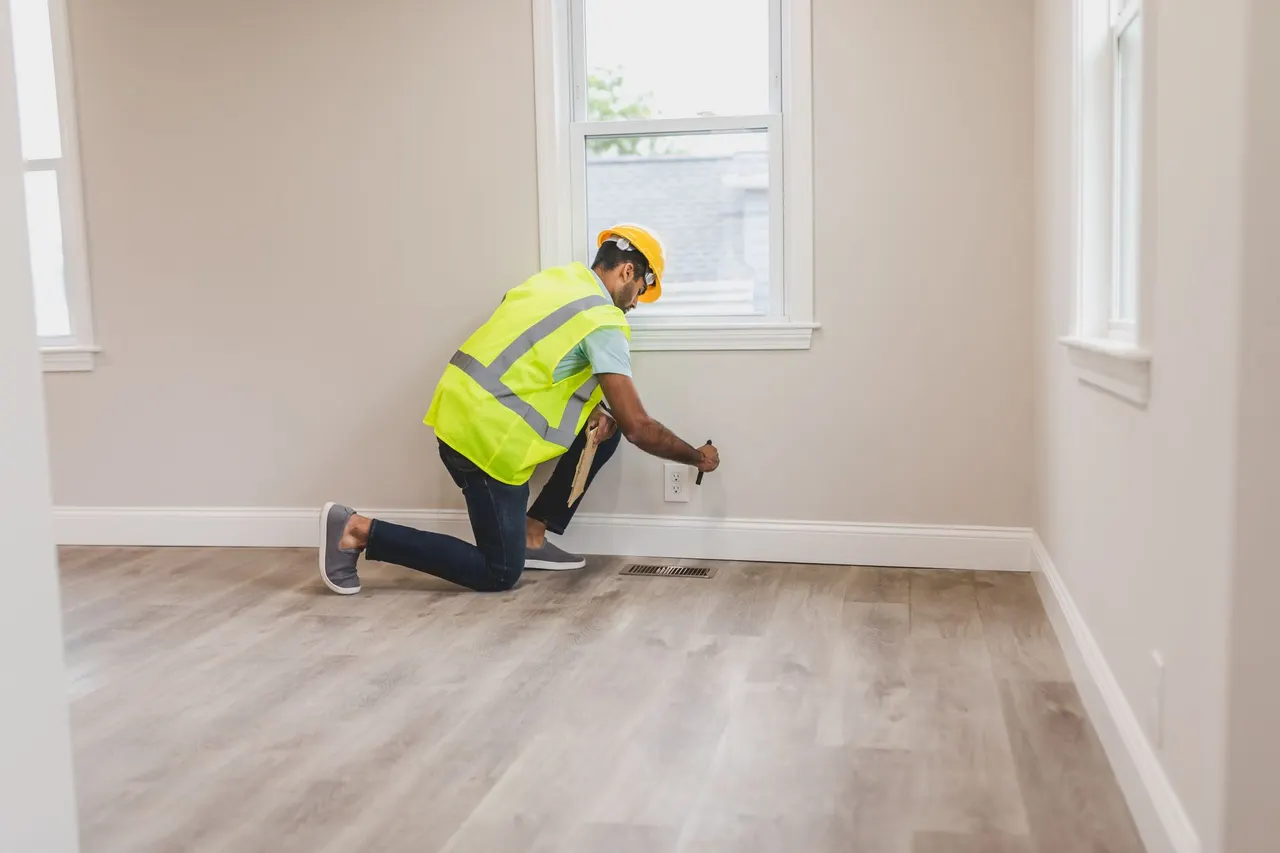
On arrival, a provider can walk the affected areas with you, identify the likely source, and check for electrical, slip, or contamination hazards. A provider can document visible damage and use an inspection camera or moisture meter where access allows.
Inspect
Locate source
Check access
Extract Standing Water
A provider can remove water from floors, basements, and accessible cavities using a water extraction unit or sump pump suited to the volume. Your team can help identify critical equipment and contents before extraction begins. A small localized loss may take a few hours to clear; deeper flooding or multiple floors takes longer.
Extract
Clear water
Protect contents
Set Up Drying
After extraction, a provider can place air movers and a dehumidifier to circulate air and remove moisture from the affected zone. A provider can protect nearby contents and position equipment to avoid blocking essential exits. Ask the provider for guidance on access and equipment noise, while a provider can record readings to follow drying progress.
Set airflow
Control humidity
Map equipment
Monitor and Remove
A provider can return to check moisture levels and adjust equipment as materials dry. Wet drywall, carpet padding, or insulation that cannot be dried effectively is removed in a controlled manner. Drying often takes three to five days, but dense materials, cool conditions, and concealed cavities can extend the schedule.
Take readings
Adjust setup
Remove wet material
Repair and Reopen
Once affected areas reach appropriate drying targets, a provider can coordinate repairs to drywall, flooring, baseboards, or other damaged finishes. A provider can review the work area with you and explain any remaining repair tasks. The goal is a clean, usable space with the original water issue addressed and the affected materials restored or replaced.
Repair
Review rooms
Plan reopening
Downtown PittsburghStrip DistrictOakland
How Pittsburgh Commercial Restoration Works
Commercial water damage restoration in Pittsburgh property owners request often starts in a basement, shared utility area, or ceiling cavity. Pittsburgh's cold winter periods increase the risk of frozen and burst pipes, while heavy rain can push water toward lower entrances and foundation walls.
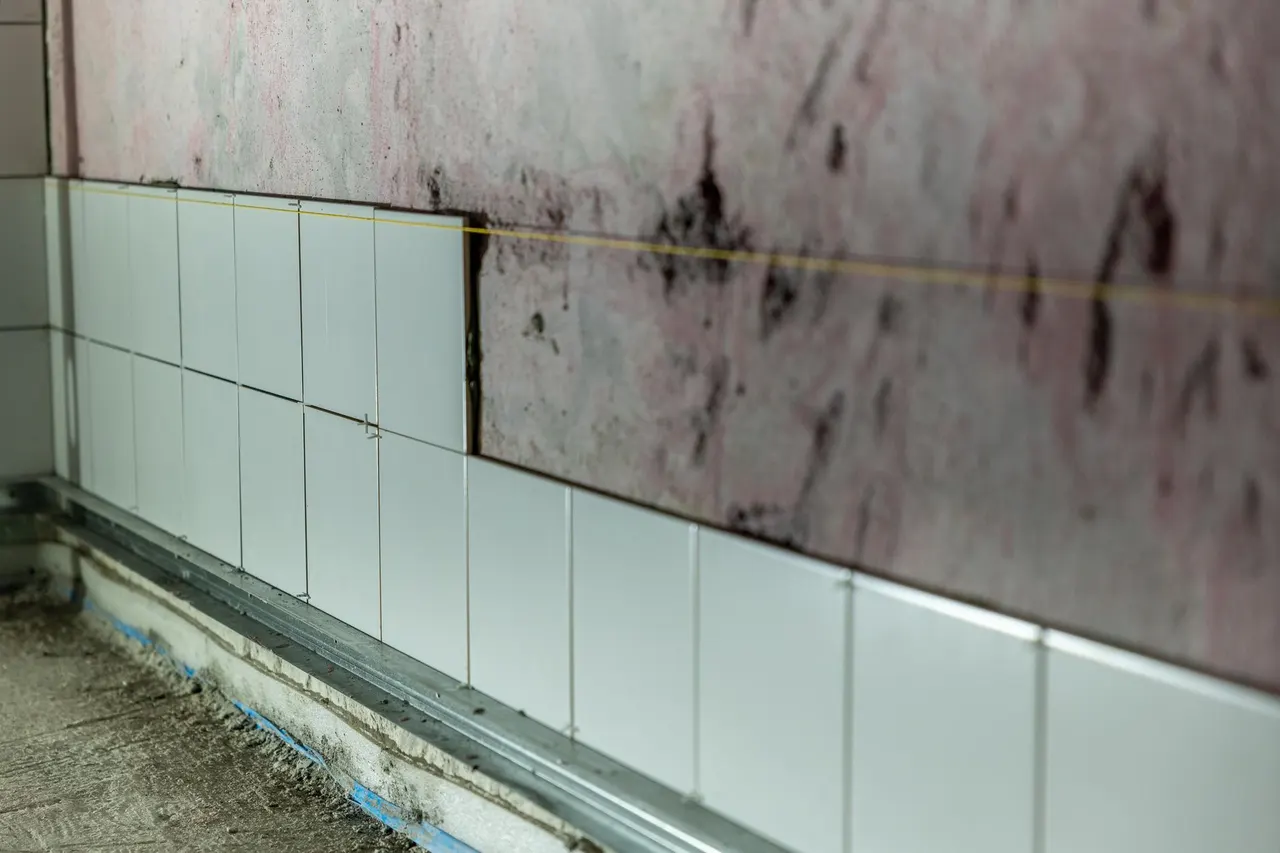
Older commercial buildings may have masonry, plaster, layered flooring, or concealed plumbing routes that require careful inspection before opening finishes. A provider can check adjoining rooms and lower levels, not just the first visible stain.
For emergency commercial water damage restoration in Pittsburgh Pennsylvania businesses, a provider can ask about the source, access, operating hours, and any sensitive equipment so the first work phase fits the site. A provider can also consider local requirements and applicable Allegheny County Health Department guidelines when a loss involves contaminated water.
Downtown Pittsburgh: Office towers and mixed-use buildings can have shared risers and controlled access. A provider can coordinate with building staff to reach affected floors and protect active corridors.
Strip District: Older commercial spaces and warehouse conversions may have basement storage and varied floor assemblies. A provider can check adjoining units where water can move through shared walls.
Oakland: Institutional, office, and retail properties can have high foot traffic. A provider can plan work zones around entrances and the spaces that must remain accessible.
Lawrenceville: Converted buildings and narrow access points can complicate moving extraction equipment. A provider can assess entry routes and contents before setting up the work area.
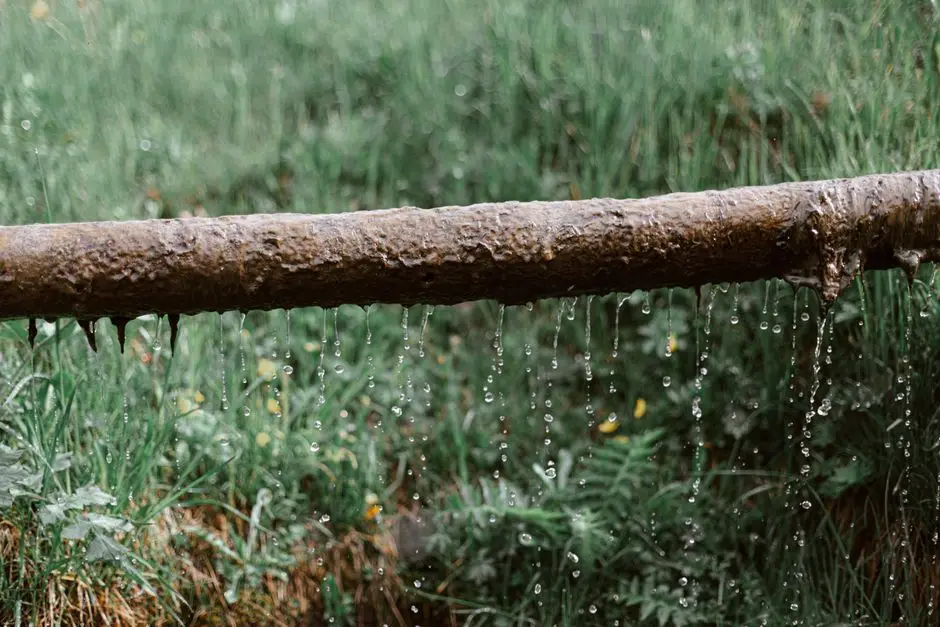
Winter cold puts exposed plumbing and vacant rooms at risk: A frozen line can release water into several rooms before staff arrive, especially in unheated spaces. A provider can check the likely pipe route and adjoining areas, then prioritize extraction and safe access.
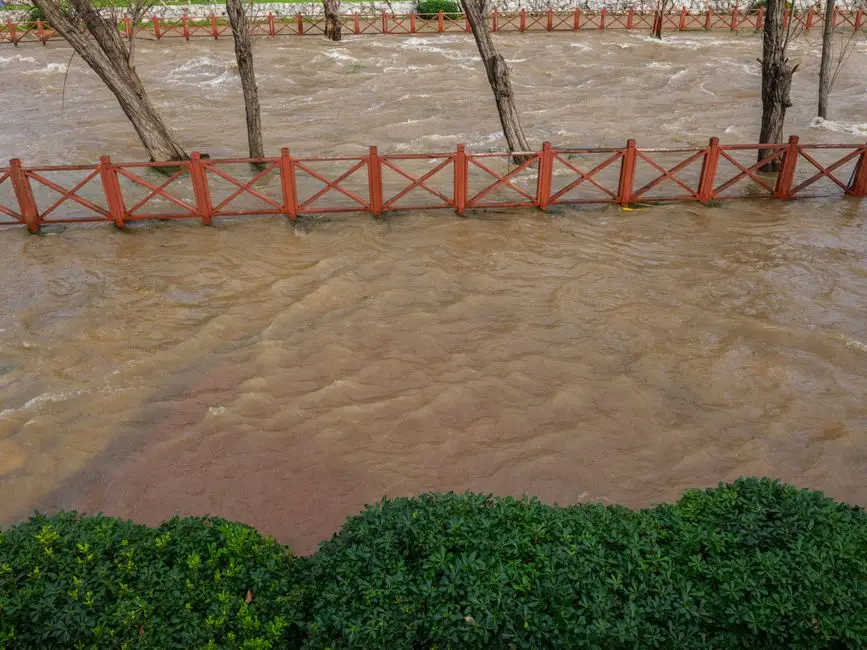
Heavy rain drives runoff toward lower entrances and basements: Water can enter through below-grade doors, foundation joints, or drainage points. The source and depth affect extraction choices, material handling, and whether the building needs follow-up work to address repeat entry.
A provider can walk the affected rooms and explain the immediate priorities.
A provider can protect nearby contents and set up the work area.
A provider can check drying readings and review the next repair steps.
Problems Solved by Commercial Restoration
Water damage can shut down a room, damage inventory, and spread beyond the first visible stain. A provider can respond to the cause and the building materials affected, then helps you prioritize a safe return to use.
Burst pipeA pipe burst floods offices before staff arrive for the dayWater can soak carpet, spread beneath partitions, and affect electrical or network areas. Delayed extraction increases disruption and makes it harder to separate affected rooms. A provider can locate the wet areas, extract standing water, and check adjoining rooms for migration. A provider can coordinate access with your facility contact and set drying equipment where it will not block essential routes. If materials need removal, a provider can identify the affected sections and explain the repair sequence.
Roof leakA roof leak leaves ceiling stains above occupied work areasWater may remain above the ceiling after visible dripping stops, weakening materials and wetting insulation. Staff may need to avoid the area until the assembly is checked. A provider can assess the ceiling and accessible cavity, document the affected area, and remove saturated materials when needed. A provider can set up drying after the roof entry point is addressed and coordinate ceiling repairs once readings support reconstruction.
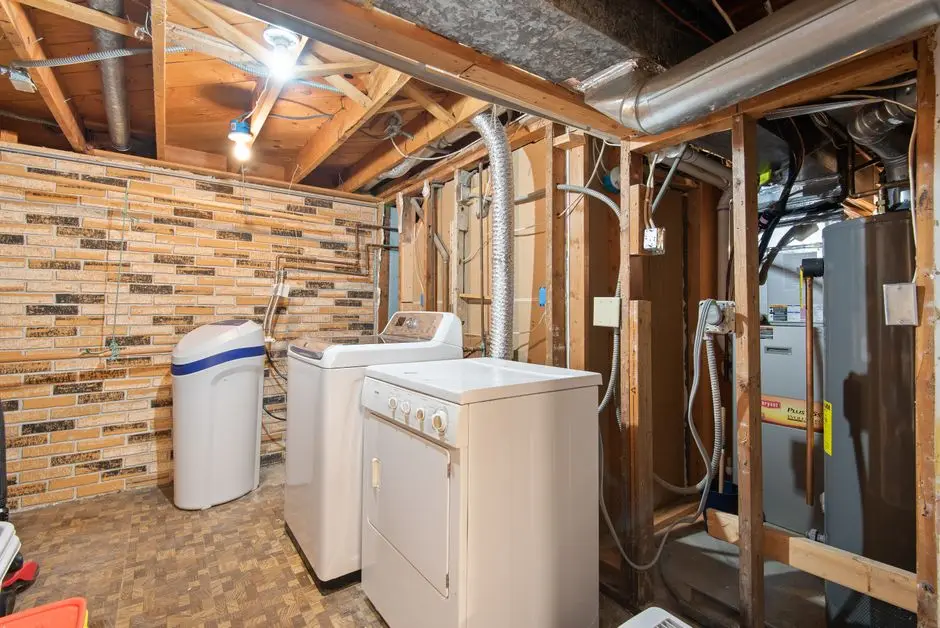
Basement waterBasement flooding damages stored inventory and mechanical spacesStanding water can reach stored goods, electrical components, and lower wall finishes. Damp basement conditions also increase the chance of musty odors and recurring moisture issues. A provider can extract water using equipment matched to depth and access, then sort affected contents and inspect walls and flooring. A provider can monitor drying and identify whether seepage, a sump issue, or a plumbing failure contributed to the loss.
Sewage backupSewage backup contaminates a commercial restroom or lower levelContaminated water creates a health concern and can affect porous materials beyond the visible pool. Employees and customers should not enter the affected zone. A provider can isolate the area, assess the extent of contamination, and remove affected materials when required. Cleaning and sanitization follow the conditions found on site. A provider can explain access limits and the steps needed before the space returns to normal use.
Get Back to Business Sooner
Measured drying and targeted repairs help return usable space to your operation.
Limit Business Interruption
A provider can prioritize the rooms and equipment your operation depends on, then isolate wet work areas where practical. In a small office, that can mean addressing a corridor and two affected rooms while keeping a separate entrance open. A provider can coordinate access with your point person and record which areas remain restricted.
Find Hidden Moisture
Water travels beneath carpet, behind baseboards, and into wall cavities before stains fully show. A provider can use moisture readings and thermal imaging to map affected materials, then check progress during drying. This helps your repair plan address damp insulation or subfloor areas instead of covering them with new finishes too early.
Protect Business Contents
Computers, inventory, files, and furnishings need different handling from building materials. A provider can identify items that can be moved or cleaned, then keep them out of wet work zones. For a commercial water damage restoration near me search, business owners often need one coordinated response for both the premises and contents.
Make Repairs Measurable
A provider can track moisture readings and explain what must dry, what needs removal, and what can remain. Drying duration depends on material and water volume; many structural drying projects take several days. Clear checkpoints help you plan staffing and reopening rather than relying on surface appearance alone.
Extraction and drying are different
Removing pooled water is only the first stage; affected materials need measured drying before repairs close the space.
Water removal
Clears standing water from accessible areas.
Extraction equipment
Sump or floor areas
Early response stage
Structural drying
Reduces moisture held in building materials.
Airflow placement
Dehumidification
Repeat readings
Repair work
Restores finishes after affected areas are ready.
Drywall and baseboards
Flooring assessment
Reopening preparation
Materials and spaces
Drywall
Carpet
Concrete
Baseboards
Insulation
Hardwood
Basements
Ceilings
Areas near Pittsburgh
Choose your area for first steps and questions to ask. Availability depends on the independent provider.
There is no fixed price. It depends on the water source, contamination, affected area, materials removed, drying time and repairs. The independent provider sets its own price, so ask for a written estimate before work starts. Using this referral service is free.
Stop the source if it is safe, keep people away from standing water near electrical equipment, and call a restoration crew promptly. Photograph affected areas and move dry contents out of the path without walking through contaminated water. A provider can assess the source, extract water, and map wet materials. For emergency commercial water removal in Pittsburgh near me searches, share the building address, access details, water source, and any safety concerns when you call.
Coverage depends on your policy, the cause of the water and the timing. Contact your insurer, photograph the damage, and keep receipts. Ask the provider what records they can give you. This referral service does not decide or promise coverage.
Availability is set by each independent provider and depends on your address and the time of your call. No arrival time is guaranteed. Call (855) 920-5307 and ask the provider when they can come. If anyone is in danger, call 911 first.
Tell the provider where water entered, which areas are affected, and whether anyone is at risk. A provider can discuss immediate steps and arrange a property assessment. A provider can document conditions and explain the restoration work before moving into the next stage.
Request a quote and a local provider can reach out to you. You can also call (855) 920-5307. Calls may be recorded for quality.
Pittsburgh Water Damage Fix is a free referral service that connects callers with independent, local water damage providers. We are not a contractor. Calls may be recorded for quality. Providers set their own prices, availability and credentials; ask them to confirm before work starts. See our privacy policy.
Call to describe the water source, the affected rooms and your ZIP code.