Drywall Water Damage Repair in Pittsburgh helps homeowners and property managers recover after a pipe burst, roof leak, appliance leak, or basement flood. A provider can locate moisture, remove material that cannot be dried safely, and rebuild the affected wall or ceiling after the source is controlled. A provider can serve Pittsburgh, Pennsylvania, and explain the repair sequence so you know what happens next.
The repair covers assessment of visible drywall damage, moisture checks, removal of unsalvageable board, and replacement after the cavity is ready. It can include taping, joint compound, sanding, and preparation for paint. Leak-source plumbing, roof work, extensive mold remediation, insulation replacement, and full-room painting are related tasks that depend on the cause and extent of damage. A provider can explain how each task connects to the wall repair.
Surface and Cavity Check
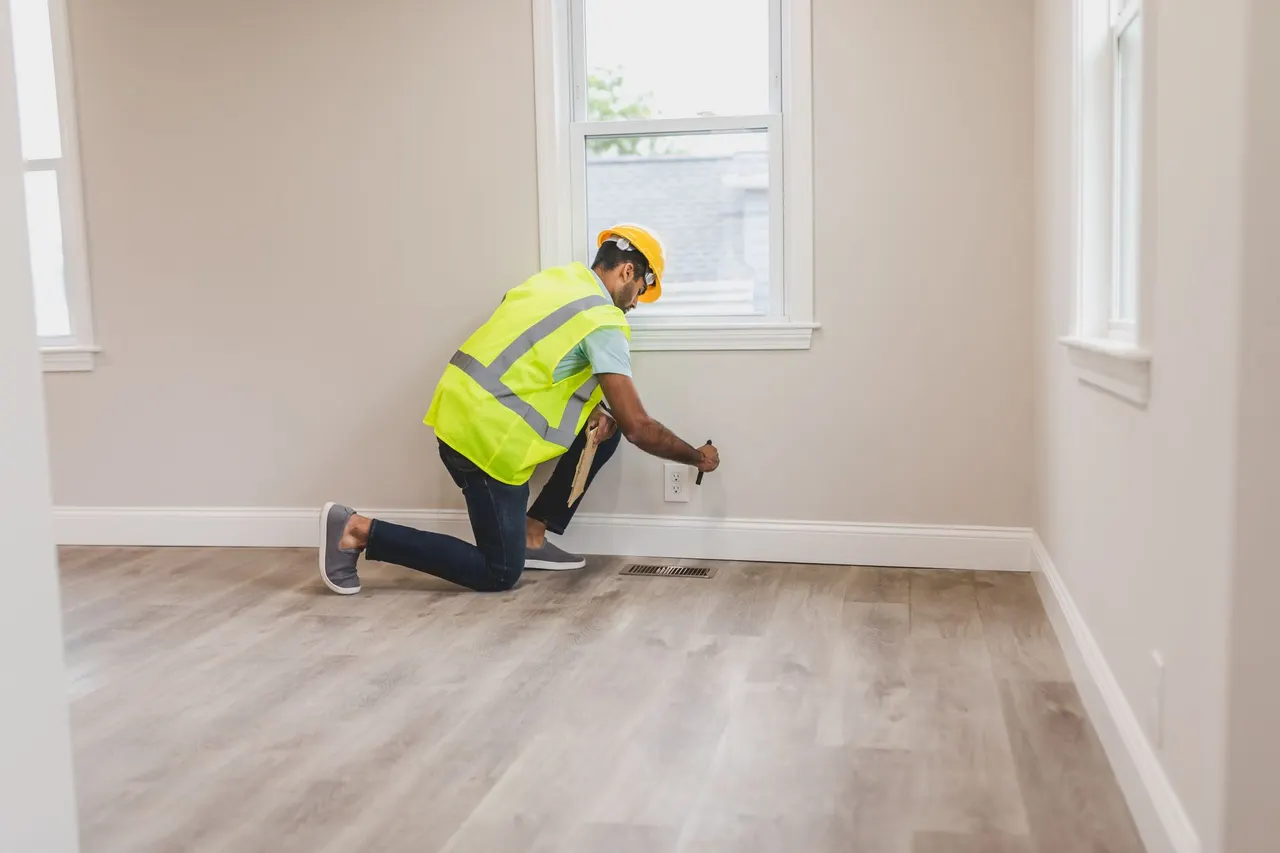
A provider can inspect the stain, soft areas, edges, and nearby trim, then check moisture around the visible damage. Where access permits, a provider can look behind the surface to assess framing and insulation. This helps set a repair boundary based on the affected materials rather than the stain alone.
Careful Material Removal
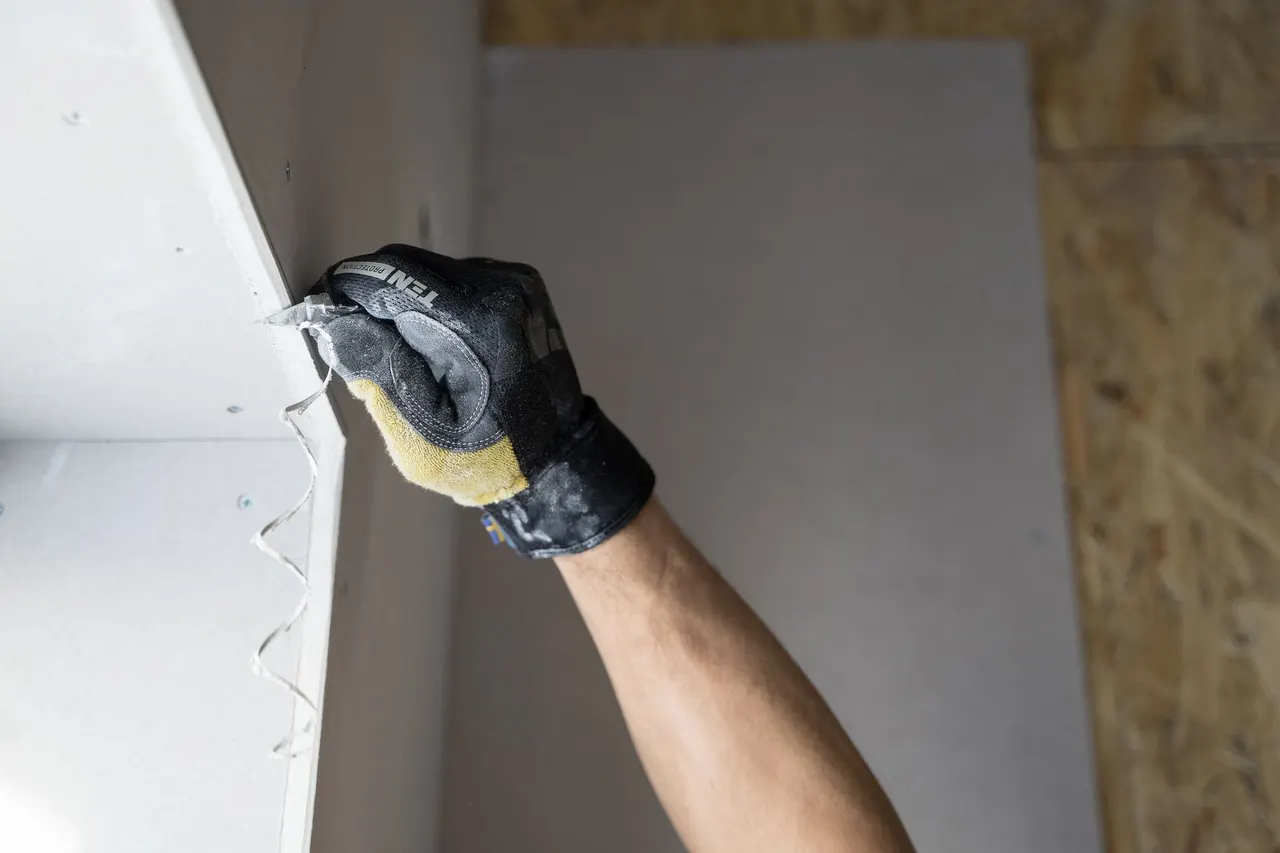
A provider can cut out drywall that is swollen, soft, or otherwise unsuitable for drying and repair. The opening is shaped to reach sound edges and accessible framing. A provider can protect nearby floors and collect debris so the rest of your room remains more manageable during the work.
Drying and Rechecks
When materials are suitable for drying, a provider can use airflow and dehumidification, then recheck moisture before closing the wall. Drying time varies with the water source, room conditions, and cavity materials. A provider can explain the readings and the reason for waiting if the wall is not ready.
Board and Seam Finish
After the cavity is ready, a provider can install replacement board, tape the joints, and apply joint compound in coats. A provider can sand between finishing stages and prepare the repaired area for primer or paint. Matching an existing texture and paint color depends on the original finish.
Work Area Cleanup
A provider can gather repair debris, remove protective coverings, and leave the immediate work area orderly. You can ask the provider to point out the repaired section and review what remains before painting. If baseboards or adjacent flooring were affected, a provider can explain how those items relate to the drywall repair.
Homes and businesses.
The approach is the same for a home and a business. What changes is the access, the schedule and who needs the paperwork.
Homes and Rentals
A provider can repair wet walls and ceilings in occupied homes while protecting floors, furniture, and nearby belongings. You will know which materials need drying or removal.
Pipe burst in a bedroom wall
Roof leak above a finished room
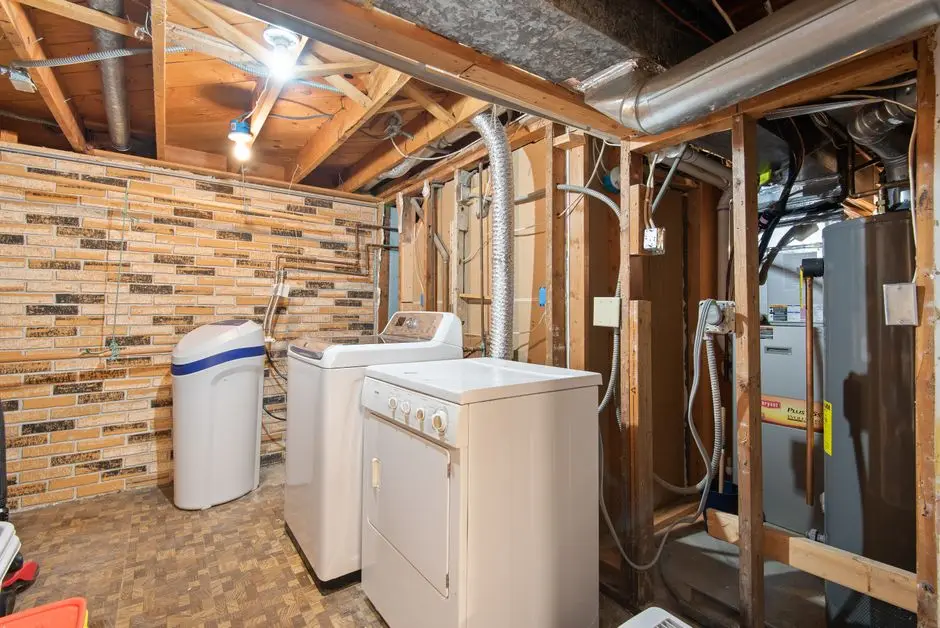
Basement flooding near carpet
Business Properties
A provider can coordinate wall and ceiling repairs with owners and property managers to keep affected areas organized. Ask the provider for a clear sequence for drying, access, and finish work.
Ceiling leak above an office
Shared wall damage between units
Appliance leak in a service room
Drywall Water Damage Repair in Pittsburgh
A plain-language look at what Drywall Water Damage Repair involves and when it is needed.
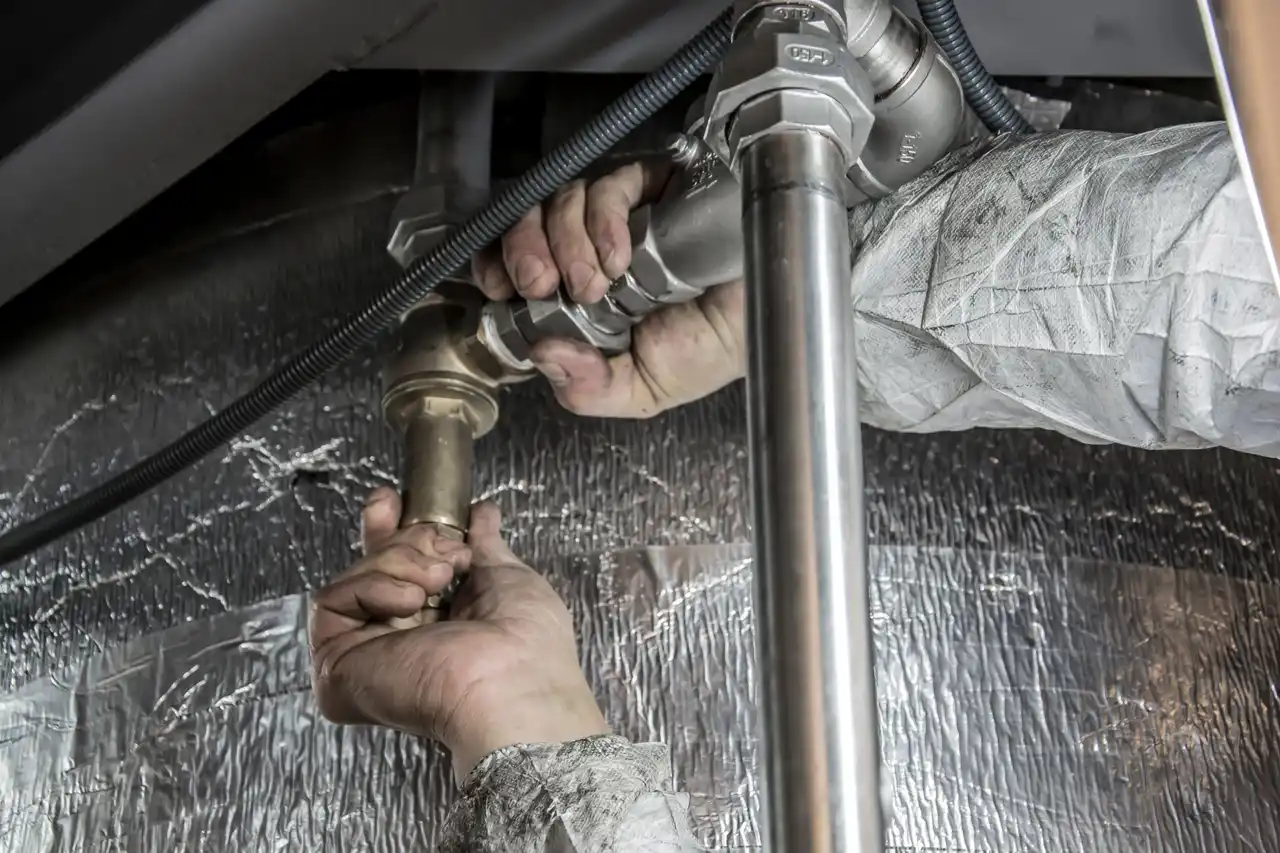
Drywall Water Damage Repair in Pittsburgh is a building repair service that removes or restores wall and ceiling materials affected by water after the leak source is controlled. A provider can inspect the visible damage and nearby cavities, check moisture levels, and decide whether the board can dry in place or needs cutting out. A moisture meter helps map damp areas beyond a stain's edge. A provider can then remove compromised drywall, check exposed framing and insulation, replace affected materials, tape joints, apply joint compound, sand, prime, and prepare the surface for paint.
Older Pittsburgh homes, finished basements, and rooms beneath rooflines can hide moisture behind paint or above a ceiling stain. Winter pipe bursts, spring storms, basement flooding, and slow appliance leaks all leave different patterns. The provider's drywall repair in Pittsburgh service starts by confirming the source is stopped and checking the cavity, not just covering the mark. If you are searching for a drywall water damage repair company Pittsburgh PA, ask whether the crew measures moisture and checks insulation before closing the wall.
Drywall repair lasts when the water source is controlled and the cavity is ready before reconstruction.
What it is
Assessment, drying or removal, drywall replacement, seam finishing, and preparation for paint.
When needed
After a leak leaves stained, soft, swollen, or otherwise damaged drywall.
What to expect
Inspection first, drying checks next, then board replacement and finish work.
What to Expect During Repair
Drywall Water Damage Repair in Pittsburgh follows a practical sequence: identify the affected materials, dry or remove them, then rebuild and finish. A provider can walk you through each stage, keep the work area contained, and record moisture checks so you can see why the next step is needed.
Inspect the Damage
A provider can start with a room walk-through, ask when the leak began, and inspect stains, soft spots, and nearby trim.
Walk-through
Moisture check
Repair boundary
Control and Protect
Before opening a wall, a provider can confirm the water source is stopped or coordinate around active mitigation. A provider can cover nearby hardwood flooring, laminate flooring, carpet, and belongings, then isolate the work area where practical. If water extraction is still needed, a water extraction unit handles standing water before drywall work proceeds.
Stop source
Cover surfaces
Set work area
Dry or Remove
A provider can determine whether the drywall and insulation can dry in place or require removal. Damp cavities get airflow and dehumidification; unsalvageable board is cut back to sound material, with edges aligned to framing for a secure patch. Drying often takes 3 to 5 days, but a provider can use moisture readings rather than the calendar alone to decide when to rebuild.
Dry materials
Remove damage
Recheck cavity
Rebuild the Surface
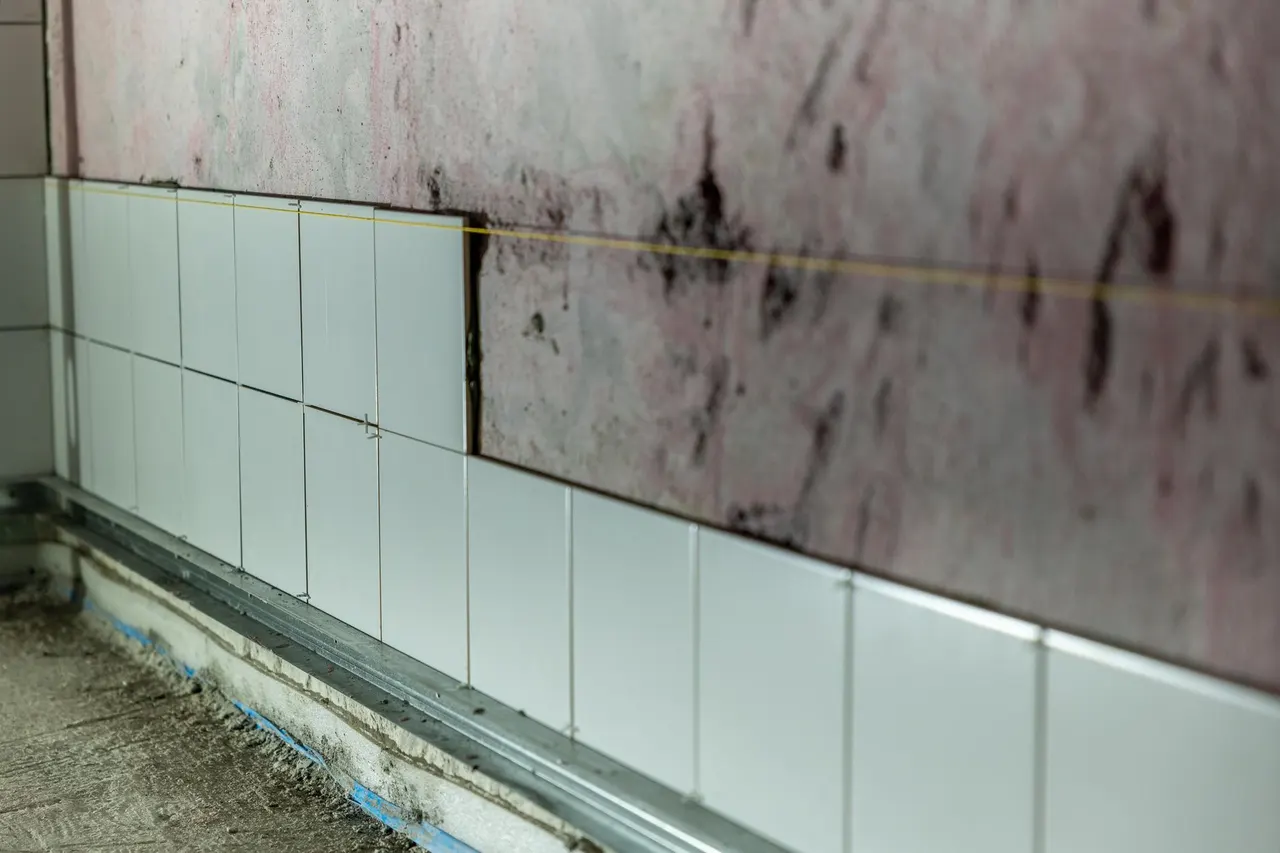
After the cavity is dry, a provider can fit replacement drywall, fasten it to framing, tape seams, and apply joint compound in successive coats. A small patch can need 2 to 3 finishing visits because compound must dry before sanding and recoating. A provider can match the existing surface texture as closely as the room's finish allows.
Fit board
Tape seams
Apply compound
Check and Close Out
A provider can inspect the patch for secure edges, smooth transitions, and remaining moisture concerns before cleanup. Ask the provider for an explanation of paint readiness and any remaining work, such as replacing baseboards or insulation. Painting can be scheduled once the compound is dry and sanded; final color matching depends on the existing paint and its age.
Inspect finish
Clear debris
Explain next steps
Squirrel HillLawrencevilleSouth Side
How Repairs Work Around Pittsburgh
Drywall Water Damage Repair in Pittsburgh often starts in older houses with plaster transitions, narrow utility access, and finished basements where water travels behind trim before a stain appears. Cold winter nights can freeze vulnerable pipes; spring storms and heavy rain can expose roof leaks or foundation seepage.
A provider can check the likely path from the source to the visible damage, including adjoining walls and floors. In homes near sloped streets, basement water can collect at low points, while a roof leak may show up several feet away from the entry point. A provider can use moisture readings to guide the opening and drying plan, then rebuild after the cavity is ready.
If you are comparing drywall water damage repair services Pittsburgh PA, ask how the crew checks insulation and framing before closing a wall. A provider can follow applicable Pennsylvania requirements and local guidance for the work being performed, and the provider can discuss lead-safe handling before disturbing older painted surfaces.
Squirrel Hill: Older homes and finished lower levels can conceal moisture behind trim; a provider can check adjacent wall and floor edges, not just the stain.
Lawrenceville: Renovated interiors can mix older framing with newer finishes, so a provider can match the repair opening to the existing wall assembly.
South Side: Basement moisture and steep streets can complicate water paths; a provider can assess lower drywall and nearby flooring together.
Oakland: Multi-unit buildings require thoughtful room access and clear coordination when a ceiling leak affects a unit below.
Freeze-thaw weather increases the risk of pipe leaks in cold exterior walls: A burst can send water down a wall cavity and into the ceiling below. A provider can check beyond the first stain and make sure plumbing repairs have stopped the flow before rebuilding.
Heavy rain can drive roof leaks and basement seepage: Water may enter at a roof or foundation and travel before it becomes visible indoors. A provider can trace the likely path, inspect adjoining materials, and distinguish active moisture from an old stain.
A provider can walk through the room and explain what the moisture checks show.
A provider can cover nearby surfaces and set up the work area.
A provider can recheck materials and review the next repair steps.
Fixing Common Pittsburgh Wall Damage
A stain is only the visible part of water damage; wet insulation, loose tape, and softened board can remain behind it. The provider's repair process checks the cause and the cavity before restoring the finish. If you need emergency drywall repair in Pittsburgh near me, start by describing whether water is still entering and whether the ceiling is sagging.
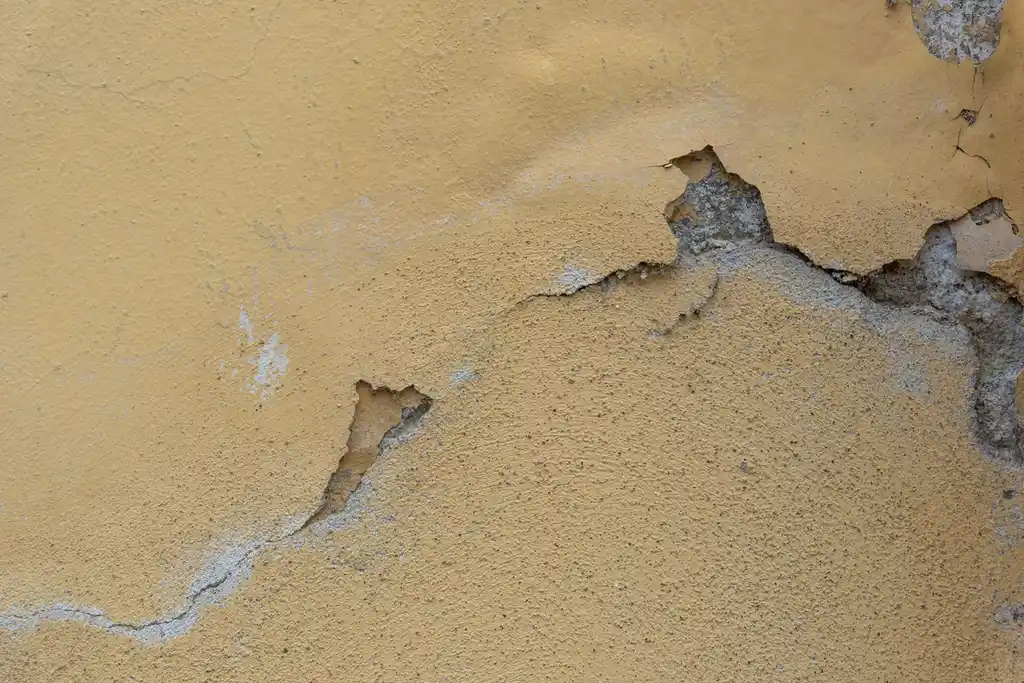
Expanding ceiling stainA ceiling stain keeps expanding after rain or a roof leakWater can continue moving above the ceiling, soaking insulation and weakening drywall. A growing stain or bulge should not be covered with primer or paint. A provider can inspect the ceiling and surrounding area, identify whether the affected board is soft, and check the moisture boundary. Once the roof leak is stopped, a provider can dry or remove damaged materials and replace the ceiling section. A provider can protect the room below and explain when the finish is ready for paint.
Wet pipe wallA pipe burst leaves wet wallboard and insulationWater inside a wall can spread along framing and reach adjacent rooms. Closing the surface before drying can trap moisture and lead to persistent odor or material damage. A provider can confirm the plumbing source has been controlled, map damp areas, and open the wall where needed. Wet insulation that cannot be dried is removed, and exposed framing is checked before the cavity is closed. New board, tape, and compound restore the surface after drying checks support reconstruction.
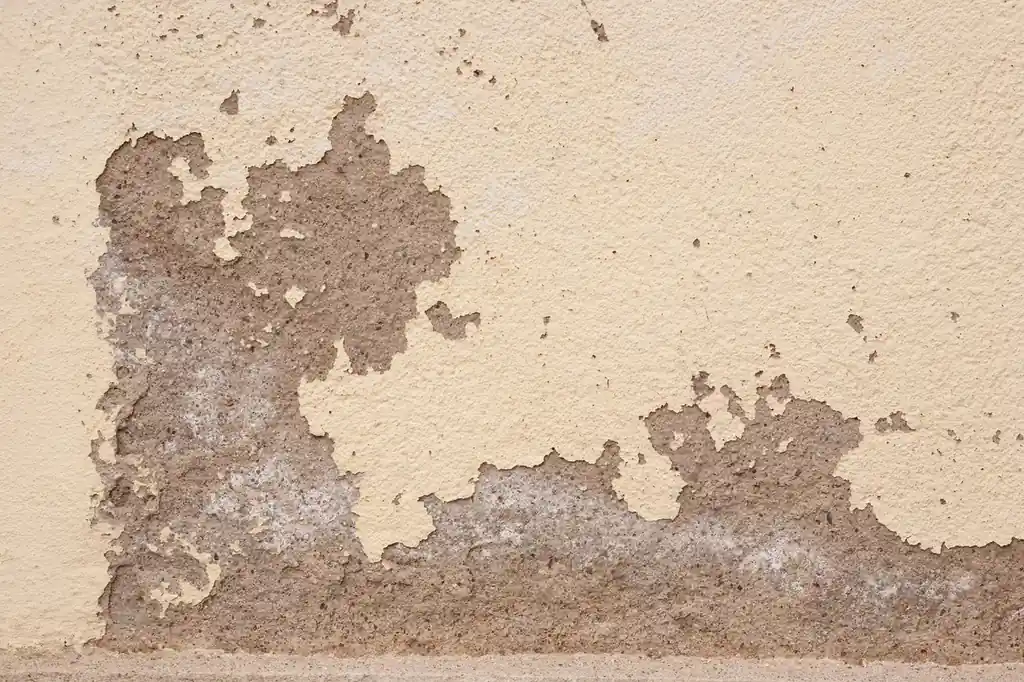
Soft basement drywallBasement drywall feels soft near the floorBasement flooding or foundation seepage can wet lower board, baseboards, and flooring edges. Continued moisture can damage finishes and create musty odors. A provider can inspect the lower wall and adjoining floor materials, then determine whether the water came from seepage, a sump issue, or a plumbing leak. A provider can remove compromised drywall and dry the cavity after the source is addressed. The repair plan accounts for baseboards and nearby flooring rather than treating the wall in isolation.
Hidden appliance leakA small appliance leak stains a wall behind cabinetsA concealed leak can remain active after the visible puddle is gone. Moisture may affect drywall and cabinetry backing without producing an obvious stain at first. A provider can check the wall around the appliance, look for moisture beyond the visible mark, and coordinate access with the leak repair. If the cavity is wet, a provider can open the affected section and dry or replace materials as needed. A provider can restore the wall only after confirming the moisture source is controlled.
Repairs That Protect the Finish
A dry, properly rebuilt wall helps protect your finish and the materials behind it.
Moisture Mapped First
A provider can trace the damp area with a moisture meter and compare readings around the stain before setting a cut line. That check helps avoid removing sound board while finding wet insulation or framing that a surface patch would conceal. Your repair begins with the actual affected footprint, not an arbitrary square around the discoloration.
Drying Before Rebuilding
A wet wall needs the right drying conditions before new board goes in. A provider can position an air mover and dehumidifier when the material can be dried, then recheck the cavity. Drying can take several days depending on water volume, insulation, and room conditions; rebuilding too early risks trapping moisture behind the finish.
Finish Blended Carefully
A provider can replace damaged board, reinforce seams with drywall tape, and build joint compound in controlled coats. Each coat needs time to dry before sanding and primer. For a small repair, this staged finish work often spans multiple visits, helping the patched area sit flatter and blend better with the surrounding wall.
One Clear Repair Sequence
You can follow the work from source control and inspection through drying, board replacement, and finishing. A provider can protect nearby flooring and baseboards before cutting, collect debris, and explain when the surface is ready for paint. The sequence reduces confusion when water damage affects more than one room.
Drying or replacing drywall
The right choice depends on the board's condition, water source, and whether the cavity can be dried.
Surface stain
Discoloration without soft or swollen board.
Check moisture first
Find the leak source
Avoid covering active damage
Damp material
Board or insulation with measurable moisture.
Assess cavity access
Dry and recheck
Remove material if needed
Failed drywall
Soft, swollen, sagging, or contaminated board.
Protect nearby surfaces
Remove compromised sections
Rebuild after drying
Common materials
Drywall
Insulation
Drywall tape
Joint compound
Baseboards
Hardwood flooring
Carpet
Plywood
Areas near Pittsburgh
Choose your area for first steps and questions to ask. Availability depends on the independent provider.
There is no fixed price. It depends on the water source, contamination, affected area, materials removed, drying time and repairs. The independent provider sets its own price, so ask for a written estimate before work starts. Using this referral service is free.
Stop the leak, keep people away from sagging material, and arrange inspection before patching; drying and repair often take 3 to 7 days. Do not paint over a damp stain or press a bulging ceiling. A provider can check moisture, remove board that cannot be saved, dry the cavity, replace drywall, tape and finish seams, then prepare the surface for paint. A slab leak or sewage backup needs source-specific handling.
Coverage depends on your policy, the cause of the water and the timing. Contact your insurer, photograph the damage, and keep receipts. Ask the provider what records they can give you. This referral service does not decide or promise coverage.
Availability is set by each independent provider and depends on your address and the time of your call. No arrival time is guaranteed. Call (855) 920-5307 and ask the provider when they can come. If anyone is in danger, call 911 first.
Tell the provider where the water entered, what rooms are affected, and whether the leak has stopped. A provider can explain the inspection and repair sequence. Call (855) 920-5307 to talk through the damage and the next practical step.
Request a quote and a local provider can reach out to you. You can also call (855) 920-5307. Calls may be recorded for quality.
Pittsburgh Water Damage Fix is a free referral service that connects callers with independent, local water damage providers. We are not a contractor. Calls may be recorded for quality. Providers set their own prices, availability and credentials; ask them to confirm before work starts. See our privacy policy.
Call to describe the water source, the affected rooms and your ZIP code.