Flooring Water Damage Repair in Pittsburgh helps homeowners and property managers address soaked, buckled, or stained floors before damage spreads below the surface. A provider can locate the water source, remove standing water, measure moisture, and plan drying or replacement based on the flooring and subfloor. If a pipe burst, appliance leak, or basement flood has reached your rooms, a provider can assess the damage and explain the practical next steps.
Flooring Water Damage Repair covers inspection, water removal, drying, cleaning, and repair of affected floor materials. The exact work depends on water quality, material condition, and how far moisture traveled. A provider can explain whether flooring can remain in place, what must be removed, and whether adjoining baseboards or wall edges need attention. Plumbing repairs, extensive reconstruction, and upgrades unrelated to the water damage are separate work.
Floor and source inspection
A provider can inspect visible damage, identify the likely water source, and check edges, seams, and adjoining rooms. Moisture readings help establish how far water has traveled beneath the floor. If the source is still active, a provider can explain what must be controlled before restoration can proceed.
Water extraction
A provider can remove standing water from affected rooms and accessible floor surfaces using extraction equipment suited to the conditions. Extraction reduces free water before drying begins, but it does not replace moisture checks below the finish. A provider can also protect clear paths and nearby belongings during setup.
Drying and monitoring
A provider can position air movers and dehumidification equipment to dry the floor assembly and room air. Follow-up readings show whether the subfloor and surrounding materials are progressing. Equipment duration depends on material, saturation, and airflow; a provider can adjust the setup when the measurements call for it.
Selective material removal
When materials are swollen, contaminated, or holding moisture, a provider can remove affected sections to reach the underlying assembly. This may include carpet padding, laminate planks, baseboards, or underlayment. A provider can keep removal focused on the wet boundary and explain how the opening supports proper drying.
Floor repair and finish
After the assembly is ready, a provider can repair or replace damaged floor materials and address transitions at adjoining surfaces. The finish plan considers the existing flooring type, available matching materials, and the repair area. A provider can review the result and share care guidance for the restored surface.
Homes and businesses.
The approach is the same for a home and a business. What changes is the access, the schedule and who needs the paperwork.
Homes and Rentals
A provider can work around household routines while checking flooring, baseboards, and nearby rooms. You will know which areas need access and what equipment requires clear space.
Appliance leak under kitchen flooring
Pipe burst across a hallway
Basement carpet after heavy rain
Business Properties
A provider can coordinate floor access with owners and property managers, keeping affected zones clear for inspection. A provider can document room conditions to support repair planning and occupant updates.
Office corridor leak
Retail flooring after storm entry
Multifamily unit water migration
Flooring Water Damage Repair in Pittsburgh
A plain-language look at what Flooring Water Damage Repair involves and when it is needed.
Flooring Water Damage Repair in Pittsburgh is a restoration service that removes moisture from floor assemblies and repairs or replaces materials damaged by leaks or flooding. A provider can inspect the visible surface and the layers beneath it, including underlayment, plywood, and the edges of adjacent rooms. A moisture meter helps map damp areas; controlled extraction and drying equipment address moisture that a mop cannot reach. Depending on the material and exposure, the work may include lifting boards, removing wet padding, drying the subfloor, treating affected surfaces, and installing matching replacement flooring.
Pittsburgh homes face leaks from aging plumbing, appliance connections, roof runoff, and basement water entry. Cold-season freezes can split pipes, while spring rain can expose foundation seepage or overwhelm a sump pump. In older homes, narrow floor gaps and layered finishes can hide moisture until boards cup or musty odors develop. The local provider evaluates the source and affected assembly before recommending a repair. If you are comparing a flooring water damage repair company Pittsburgh PA, look for clear moisture readings and a plan that addresses both the surface and its substrate.
A sound floor repair dries or replaces affected layers before restoring the visible surface.
What it is
Inspection, extraction, drying, and repair of flooring and affected layers after a leak or flood.
When needed
When flooring is wet, warped, stained, or carrying a musty odor after water exposure.
What to expect
Moisture checks, targeted water removal, drying, and material repair based on the affected assembly.
What Happens During the Repair
Flooring Water Damage Repair in Pittsburgh starts with finding the water path and establishing what is wet. A provider can then remove water, dry or remove affected materials, and complete the repair in a sequence that protects the rest of your home. You will know what the next workday involves and which areas need to remain clear.
Inspect and map
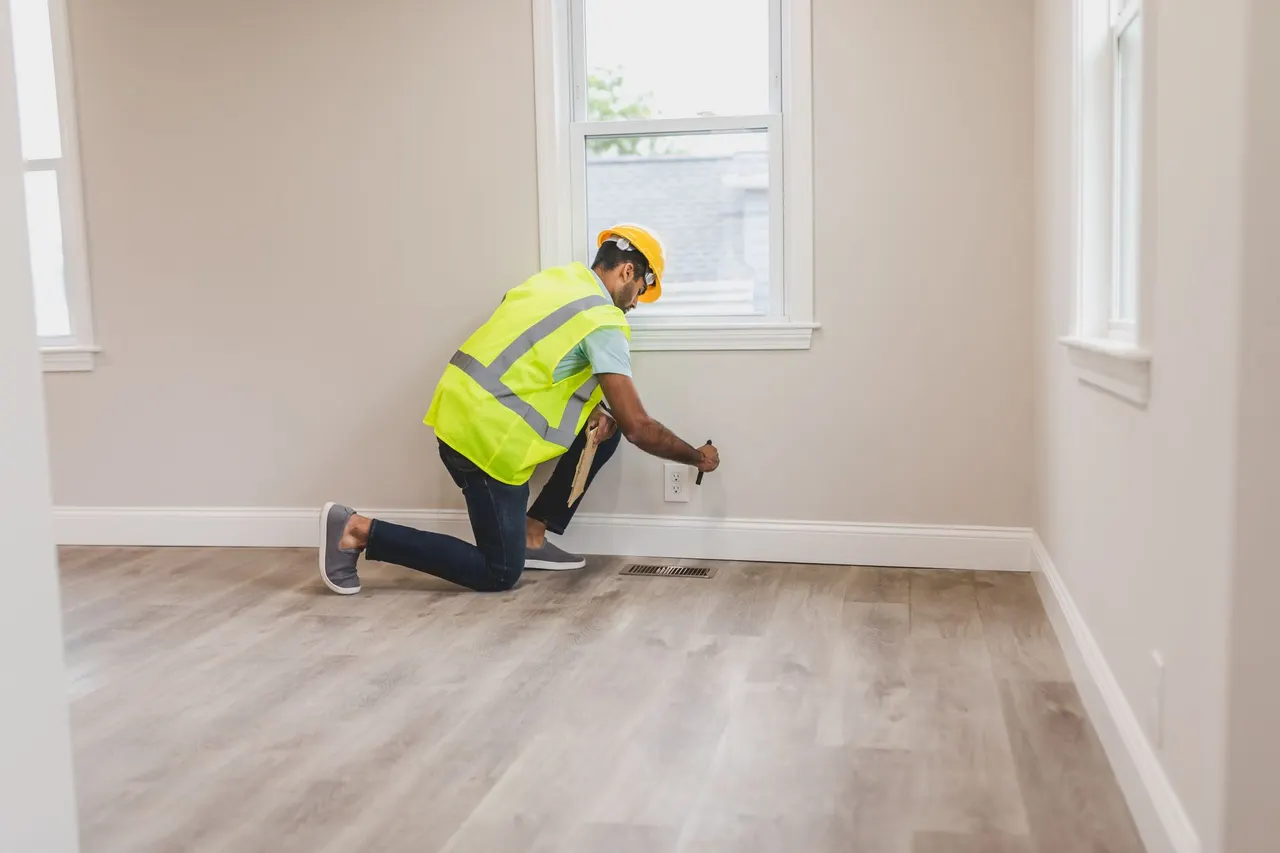
On the first visit, a provider can walk the affected rooms with you, ask when the leak began, and check the likely source. A provider can record visible damage and take moisture readings at the flooring, edges, and accessible subfloor.
Walk-through
Source check
Readings
Extract standing water
A provider can remove pooled water with a water extraction unit and protect nearby furnishings and walkways before equipment is moved through the home. If water is still entering, the source must be controlled as part of the response. A small room can take an hour or more to extract; deeper flooding requires repeated passes and additional access.
Water removal
Room protection
Access
Open and dry layers
The local provider determine whether the floor can dry in place or whether sections need to be lifted. Wet carpet padding, swollen laminate, or saturated underlayment may need removal to expose the subfloor. Air movers and a dehumidifier then circulate and remove moisture; a provider can recheck readings during the drying period rather than relying on a fixed equipment run time.
Layer check
Drying setup
Monitoring
Clean and verify
After extraction and drying, a provider can clean exposed surfaces and inspect the assembly for remaining dampness, odor, and visible damage. A hygrometer tracks room humidity, while moisture readings help the provider compare the floor with unaffected material. For water involving sewage or other contamination, the cleaning approach changes to address the added health and material concerns.
Cleaning
Humidity check
Verification
Repair and finish
Once the affected assembly is dry enough for the selected repair, a provider can replace removed materials, fit flooring, and address transitions and baseboards as needed. A simple localized repair may finish in a day after drying; multi-room replacement takes longer. A provider can review the completed work with you and explain basic steps for preventing another leak from spreading.
Floor repair
Transitions
Review
Squirrel HillLawrencevilleBrookline
How Floor Repair Works in Pittsburgh
Flooring water damage repair services Pittsburgh PA must account for a mix of older housing, finished basements, and newer additions with different floor assemblies. In November and through winter, frozen supply lines and roof leaks can send water across hardwood before anyone sees a puddle. Spring rain brings another pattern: basement flooding, foundation seepage, and sump pump problems that soak carpet or laminate.
A provider can inspect the source and the floor layers, then plan extraction and drying around the affected rooms and access. In older properties, lead-safe work practices matter if painted trim or wall materials need disturbance; disposal and sanitation also follow applicable local requirements.
For flooring water damage repair and refinishing Pittsburgh Pennsylvania, the floor must be dry and stable before sanding or installing finish materials. A provider can serve homes and businesses across Allegheny County and coordinate the floor work with connected wall, basement, and structural drying needs.
Squirrel Hill: Older hardwood floors and finished basements call for checks at room transitions, stair landings, and lower wall edges when a leak reaches the floor.
Lawrenceville: Renovated row homes can have different flooring layers between original rooms and additions, so a provider can check thresholds and subfloor transitions for hidden moisture.
Brookline: Basement seepage after heavy rain can affect carpet, padding, and storage areas; a provider can inspect the floor assembly and lower wall line together.
Oakland: Multifamily and student housing leaks can cross unit boundaries, making prompt access coordination and clear documentation important for floor repairs.
Freeze-thaw cycles can split supply lines in unheated areas: Water may run through halls and under doorways before the leak is noticed. A provider can inspect adjacent rooms and floor edges, not just the room where the pipe failed, then check for moisture in nearby subfloor and baseboards.
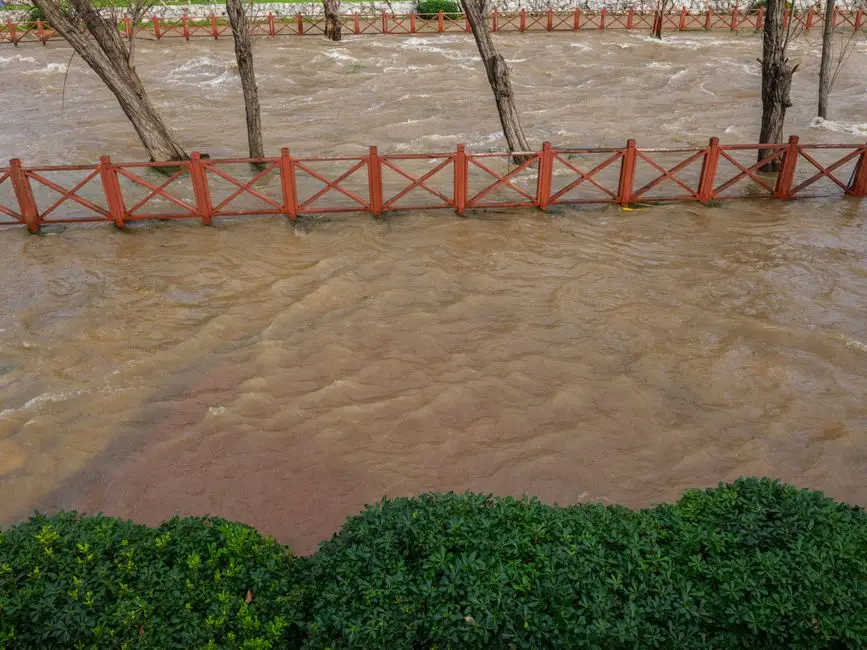
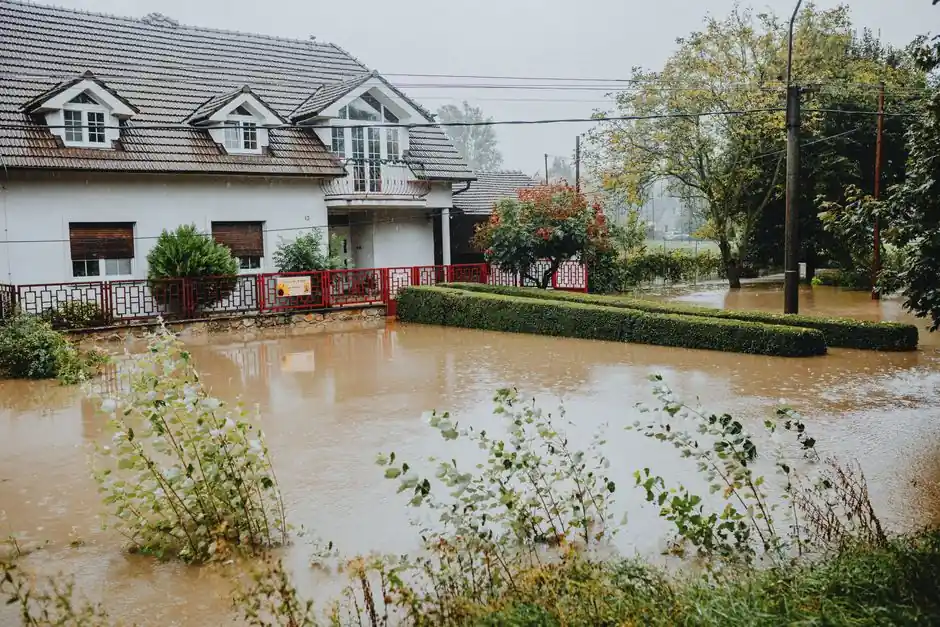
Heavy rain can push water into below-grade rooms: Basement carpet and floor coverings can hold water against concrete, while seepage may continue through a wall-floor joint. A provider can assess the entry path and water condition before deciding what can be cleaned, dried, or removed.
A provider can walk the affected rooms and explain the inspection points.
A provider can protect access paths and position extraction or drying equipment.
A provider can review readings, remaining work, and the repair sequence.
Flooring Water Damage Repair Problems a provider can Solve
Wet floors can signal more than a damaged finish. Water often travels under flooring, into subfloor seams, and along baseboards before it becomes obvious. A provider can check the complete affected area, explain what is driving the damage, and address the materials that need drying or replacement.
Cupped hardwoodHardwood boards cup after a slow leak beneath the finishUneven boards can catch shoes and furniture, while trapped moisture may continue affecting the subfloor and nearby baseboards. A provider can trace the leak area, compare moisture readings across affected and dry sections, and inspect the finish and subfloor. If the hardwood remains structurally sound, controlled drying may stabilize it; if boards are split or severely distorted, a provider can explain selective replacement and refinishing options.
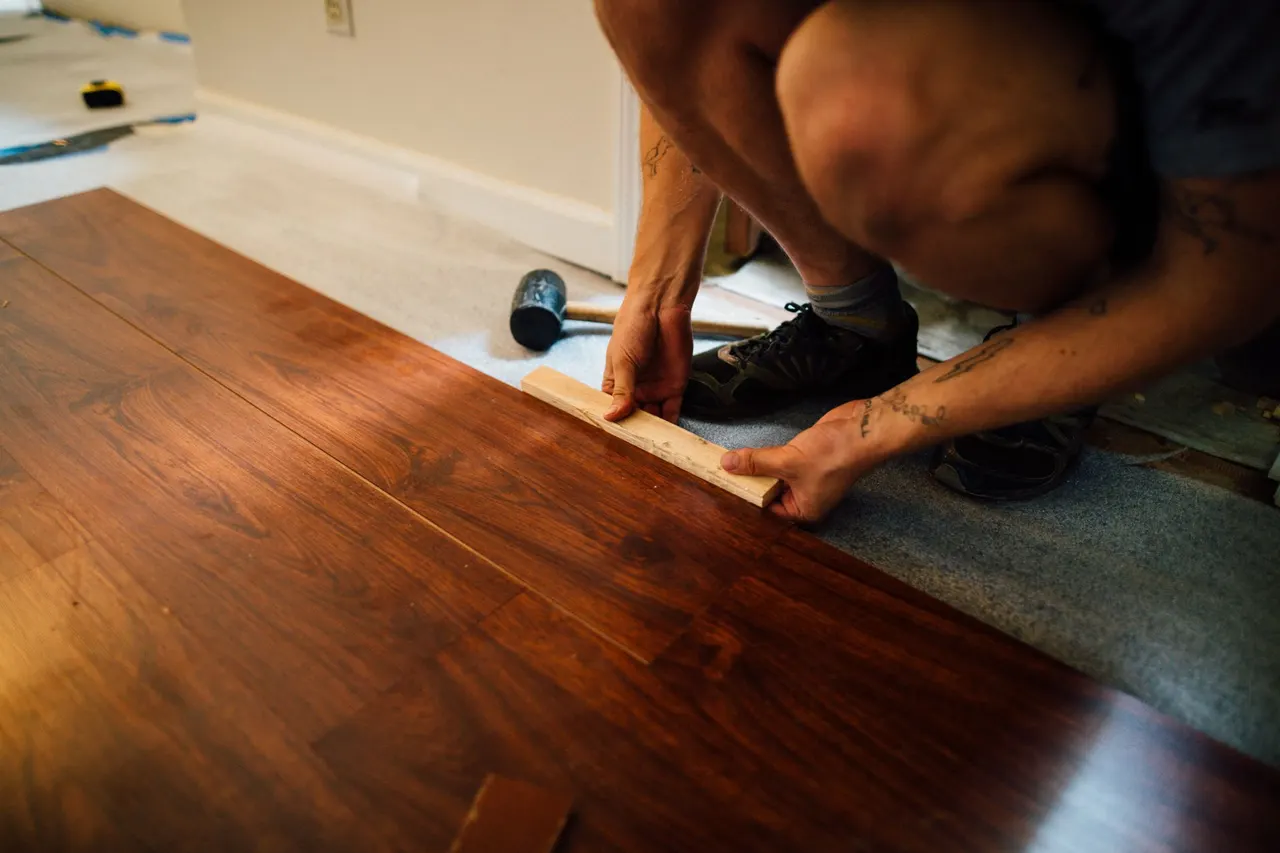
Swollen laminateLaminate seams swell after an appliance leakSwollen edges rarely return to their original shape, and water can remain beneath the floating floor even after the surface looks dry. A provider can extract water, check how far it traveled, and lift affected laminate where needed to inspect underlayment and plywood. Because laminate is sensitive to prolonged moisture, a provider can identify the sections that need replacement and dry the substrate before fitting new material.
Musty basement carpetBasement carpet smells musty after floor floodingDamp padding can hold water against the carpet backing and concrete, sustaining odor and allowing moisture to move into lower wall materials. A provider can determine the water source and whether the water is clean or contaminated, then remove saturated padding when necessary. A provider can extract the carpet assembly, dry the floor and edges, and check readings before reinstalling suitable materials or replacing the affected carpet.
Wet floor edgesWater stains appear along baseboards and floor edgesStains can indicate moisture behind trim or in drywall, where continued dampness may soften materials and spread beyond the original leak. A provider can inspect the floor-wall junction and use readings to map the damp boundary. If baseboards or drywall need removal for access, a provider can explain why and dry the exposed area before repairs. This prevents a new floor finish from concealing wet materials.
A Sound Floor, Not a Cover-Up
Dry underlying layers first, then restore a stable and usable floor.
Moisture checked below
A provider can use a moisture meter to compare affected flooring with dry reference areas and check likely migration paths at walls and thresholds. That matters when a small spill has traveled beneath hardwood flooring or laminate flooring. Ask the provider for a clearer decision about drying, selective removal, and whether adjoining rooms need inspection.
Faster water removal
Standing water is extracted before drying equipment is positioned. For a contained leak, early extraction can reduce the amount of material that needs removal; in a larger event, it helps make the space safer to work in. A provider can place air movers and a dehumidifier according to the room layout and monitor conditions as drying progresses.
Repair matched to material
Hardwood, laminate, carpet, and tile assemblies respond differently to water. A provider can check the finish, seams, backing, and subfloor before recommending a repair. Where boards are salvageable, controlled drying can preserve more of the original floor; where swelling or contamination makes that impractical, a provider can explain the replacement area and transition details.
Less hidden damage
Moisture trapped below flooring can affect plywood, baseboards, drywall, and insulation. A provider can inspect connected areas instead of stopping at the visible stain. If readings remain elevated, a provider can continue drying or open the affected assembly as appropriate, helping you address damp materials before odors or visible mold growth become a larger concern.
Drying or replacing flooring
The right choice depends on water quality, material condition, moisture readings, and whether the subfloor can be dried in place.
Dry in place
Suitable materials remain while controlled drying addresses moisture.
Material remains stable
Water exposure is limited
Readings are monitored
Selective removal
Damaged sections are opened to expose wet layers.
Wet underlayment needs access
Edges show swelling
Subfloor requires drying
Replace materials
Unsuitable or contaminated flooring is removed and restored.
Porous material is saturated
Boards are irreversibly distorted
Water was contaminated
Surfaces and layers
Hardwood
Laminate
Carpet
Padding
Baseboards
Plywood
Concrete
Underlayment
Areas near Pittsburgh
Choose your area for first steps and questions to ask. Availability depends on the independent provider.
There is no fixed price. It depends on the water source, contamination, affected area, materials removed, drying time and repairs. The independent provider sets its own price, so ask for a written estimate before work starts. Using this referral service is free.
Yes, hardwood floors can often be saved when damage is limited and drying begins before boards separate or decay. A provider can check cupping, finish condition, moisture readings, and the subfloor; controlled drying can take 3 to 7 days, depending on the assembly. Severe buckling, prolonged saturation, or contaminated water can make replacement safer. The provider's inspection distinguishes temporary swelling from damage that will not stabilize, so you can choose a repair based on the floor's actual condition.
Coverage depends on your policy, the cause of the water and the timing. Contact your insurer, photograph the damage, and keep receipts. Ask the provider what records they can give you. This referral service does not decide or promise coverage.
Availability is set by each independent provider and depends on your address and the time of your call. No arrival time is guaranteed. Call (855) 920-5307 and ask the provider when they can come. If anyone is in danger, call 911 first.
Call for Flooring Water Damage Repair in Pittsburgh
Wet flooring can hide damage below the surface. Call (855) 920-5307 and tell the provider what happened, when the water started, and which rooms are affected. A provider can explain the inspection and immediate water-removal steps. A provider can document the work as it progresses.
Request a quote and a local provider can reach out to you. You can also call (855) 920-5307. Calls may be recorded for quality.
Pittsburgh Water Damage Fix is a free referral service that connects callers with independent, local water damage providers. We are not a contractor. Calls may be recorded for quality. Providers set their own prices, availability and credentials; ask them to confirm before work starts. See our privacy policy.
Call to describe the water source, the affected rooms and your ZIP code.