
How to clean up a sewage backup in your Pittsburgh home
A sewage backup needs fast, careful action. Learn what to do first, what you can safely clean, and when Pittsburgh homeowners need professional help.
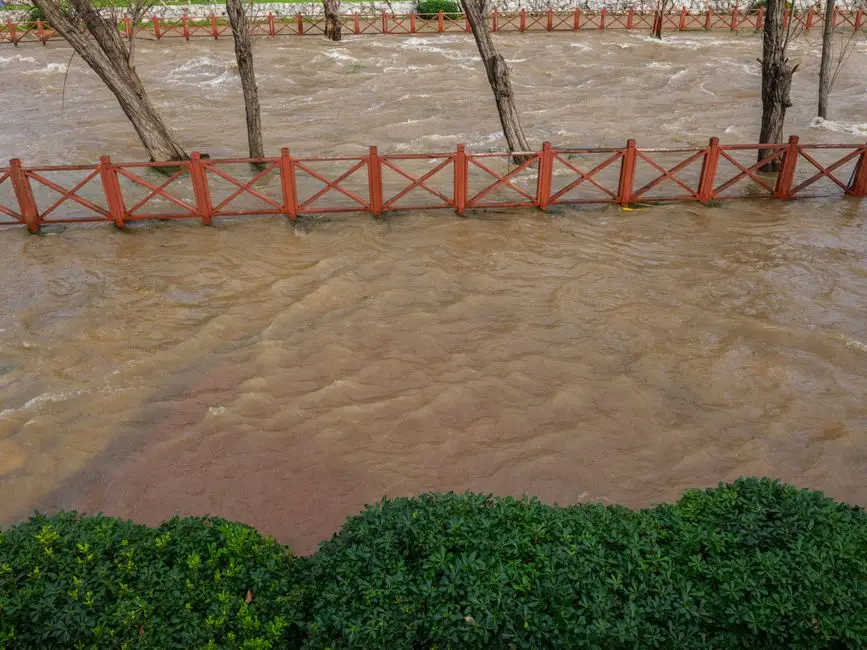
To clean up a sewage backup in your Pittsburgh home, keep people and pets out, stop the source if you can do so safely, and remove contaminated materials only when the spill is small and you have proper protective gear. For sewage across a room, into porous building materials, or near electrical equipment, stay out and call a cleanup professional instead. The safest response is to limit contact, document the damage, and have contaminated water and materials removed, cleaned, and dried thoroughly.
The local provider at an independent provider can handle sewage backup cleanup Pittsburgh homeowners need after a drain, toilet, or sewer line overflows. This guide explains what to do first, how to judge what is safe to tackle, and what professional cleanup involves in Pittsburgh's older homes and damp basements.
How do I clean up a sewage backup in my Pittsburgh home?
For a small, contained sewage spill in Pittsburgh, isolate the area, wear waterproof gloves and boots, remove contaminated items, clean hard surfaces with detergent, then disinfect and dry them completely. Do not enter standing water if you see electrical hazards, and never mix cleaning chemicals.
Start by keeping children, older adults, and pets away from the affected room. If you can safely reach the plumbing shutoff without stepping into wastewater, stop use of the fixture or water source. A backup affecting multiple drains, bubbling toilets, or repeated overflow can point to a blockage or a problem beyond one fixture; pause water use throughout the home.
Take photos before moving belongings, and note which rooms and materials got wet. If you rent, notify the property owner or manager. The provider's water damage restoration in Pittsburgh team can assess the affected area, remove sewage water, and plan safe cleanup and drying.
The primary keyword, how to clean up a sewage backup Pittsburgh, describes the safety steps and cleanup process needed after wastewater enters a home. Sewage cleanup is not ordinary spill cleanup: wastewater can contain pathogens and can seep below visible surfaces.
Why sewage backups need more than ordinary mopping
Sewage backups in Pittsburgh homes require controlled removal, cleaning, disinfection, and drying because contaminated water can carry bacteria, viruses, and other microorganisms into porous materials. The visible puddle is only part of the problem.
Carpet, carpet pad, drywall, insulation, and unfinished wood can absorb wastewater. Contamination can also reach floor seams, wall cavities, and the bottom edges of cabinets. A bleach wipe on the surface does not remove sewage trapped underneath.
In older Pittsburgh houses, basement floors and foundation walls can be uneven, and stored belongings often sit close to floor drains. Winter freeze-thaw cycles and heavy rain can add pressure to aging drainage systems, while combined sewer areas can face backups during intense storms. The cause matters: a sanitary sewer blockage, a failed backwater valve, or a local drain clog each calls for a different repair.
The provider's sewage backup cleanup in Pittsburgh service focuses on contaminated-water removal and affected materials, not simply masking odor. A provider can identify how far the water traveled before deciding what can be cleaned and what must be removed.
Steps to clean a sewage backup in Pittsburgh
The steps to clean a sewage backup in Pittsburgh are to secure the area, stop additional flow, protect yourself, remove contaminated water and debris, clean and disinfect hard surfaces, and dry the structure. Work in that order; skipping source control or drying often leads to repeat damage.
- Keep people out. Close the door or block access. If sewage is near an electrical outlet, appliance, or panel, do not touch it; leave the area and arrange safe power isolation.
- Stop water use. Avoid flushing toilets, running sinks, or using a washing machine until you know the backup source. If the whole house is affected, call a plumber or sewer professional to find the blockage.
- Wear protective equipment. For a small cleanup, use waterproof gloves, rubber boots, eye protection, and disposable coveralls. Cover cuts, and avoid splashing or spraying wastewater.
- Remove standing water and solids safely. A wet vacuum used for sewage must be appropriate for contaminated water and thoroughly decontaminated afterward. Household vacuums are not suitable. Bag disposable debris securely.
- Clean hard, nonporous surfaces. Wash with detergent and clean water first. Apply an appropriate disinfectant according to its label, including the stated contact time; never combine bleach with ammonia or acidic cleaners.
- Remove contaminated porous materials and dry what remains. Wet carpet pad, soaked insulation, and sewage-contaminated drywall commonly need removal. Use fans and dehumidification only after contaminated debris is controlled and the space is safe.
Wear gloves when handling waste and wash your hands with soap and water after removing protective gear. Keep cleanup clothing separate from household laundry until it has been safely bagged or washed. If sewage contacted food, medicines, cosmetics, or items used by infants, discard them rather than trying to disinfect them.
For major or recurring flooding, a restoration crew can use extraction equipment and moisture meters to check materials beyond the visible wet area. Professional sanitization and disinfection Pittsburgh PA addresses surfaces after physical removal and cleaning; disinfectant alone is not a substitute for removing contaminated material.
What to throw away and what may be salvageable
Items that absorbed sewage and cannot be thoroughly cleaned should be discarded, while intact nonporous belongings may be salvageable after proper washing and disinfection. The material and the time it stayed wet both matter.
Cardboard boxes, mattresses, upholstered furniture, area rugs, carpet padding, and sewage-soaked insulation are difficult to clean reliably. Food that came into contact with wastewater should be thrown away, including sealed packages with contaminated exteriors if their packaging cannot be safely cleaned.
Glass, metal, and hard plastic may be cleaned if they have no cracks or hidden cavities. Set salvageable belongings aside in a clean area, not beside the contaminated pile. Photograph items and their condition before disposal for your insurance records.
Do not assume a material is safe because it looks dry. Sewage can wick up drywall and into wood framing; restoration technicians use moisture readings and inspection to decide whether building materials need removal or controlled drying.
Common mistakes that make sewage damage worse
Common sewage cleanup mistakes in Pittsburgh include walking through contaminated water, using household fans too early, mixing chemicals, and covering odors instead of removing the source. These shortcuts can spread contamination or leave moisture behind.
- Using a shop vacuum or household vacuum without contamination controls: it can spread dirty water and aerosols, and the equipment may remain contaminated.
- Pouring bleach directly into sewage: bleach does not remove solids, and mixing it with ammonia or acidic products can create dangerous gases. Follow the disinfectant label.
- Running fans across an uncleared spill: airflow can distribute contaminated droplets and odor into nearby rooms. Remove sewage and debris first.
- Putting everything in the washing machine: sewage-soiled clothing can contaminate the washer and other laundry. Keep items isolated and follow public health guidance for laundering or disposal.
- Ignoring the cause: cleaning the floor without clearing the drain or sewer issue can leave you facing another backup the next time you use water.
Do not enter a basement with standing water if the power may still be on. A flooded electrical area is an emergency; contact the utility or a qualified electrician to make the space safe before cleanup begins.
When to call a professional for sewage cleanup
Call a sewage cleanup professional in Pittsburgh when wastewater covers more than a small, hard-surface area, reaches porous materials, returns after cleanup, or presents electrical or health hazards. A trained crew can extract contaminated water, remove unsalvageable materials, disinfect, and dry the structure with documented checks.
If you have a sewage backup near me search because a basement drain or toilet is overflowing, do not wait for the smell to fade. A growing spill can spread under flooring and into wall cavities. If anyone develops vomiting, diarrhea, fever, or skin irritation after exposure, contact a medical professional or local health service for advice.
A provider can coordinate the cleanup side with the plumbing repair needed to stop the source. For homes in Pittsburgh's low-lying neighborhoods and older basements, that means checking where water traveled, not just cleaning the center of the puddle. A provider can also support broader water damage restoration in Pittsburgh when a backup affects flooring, walls, or stored contents beyond the immediate drain area.
Homeowners' insurance coverage varies by policy. Sudden sewer or drain backup damage is often covered only when the policy includes a sewer-backup endorsement or similar coverage, and limits and exclusions differ. Photograph damage, keep receipts, and contact your insurer promptly while avoiding contact with contaminated materials.
Frequently Asked Questions
How do I clean up a sewage backup in my Pittsburgh home?
For a small spill on hard surfaces, isolate the area, wear waterproof gloves and boots, remove wastewater and debris, wash with detergent, disinfect by label directions, and dry thoroughly. Keep people and pets out throughout. For sewage that reaches carpet, drywall, insulation, multiple rooms, or electrical equipment, stay clear and call a professional cleanup crew.
Is sewage backup water dangerous in Pittsburgh?
Yes. Sewage water can carry disease-causing microorganisms and contaminate floors, belongings, and building materials. Avoid direct contact, splashing, and cleanup without protective equipment. Leave immediately if it is near energized electrical equipment, and seek medical advice if you become ill after exposure.
Does insurance cover sewage backup cleanup in Pittsburgh?
It depends on your policy. Many homeowners policies require a sewer or drain backup endorsement, and coverage limits and exclusions vary. Photograph the damage, save cleanup receipts, and report the loss to your insurer promptly. Do not assume standard water-damage coverage includes a sewer backup.
Who should I call for a sewage backup in Pittsburgh?
Call a plumber or sewer professional to stop and diagnose the backup, and contact a water-damage restoration company for contaminated-water removal and structural cleanup. If water is near electrical equipment, keep out and have the power made safe first. For an active backup, stop using plumbing fixtures until the source is addressed.
How much does sewage backup cleanup cost in Pittsburgh PA?
Square footage, water volume, contaminated materials, disposal, drying, and repairs drive the price. Insurance may reduce out-of-pocket costs when your policy includes applicable backup coverage.
Get help with water damage repair in Pittsburgh
If sewage has entered your home, an independent provider can remove contaminated water, clean affected areas, and dry the structure safely. Call (855) 920-5307 to discuss sewage backup cleanup in Pittsburgh.