
How to dry out a flooded basement safely on your own
Use these safe steps to dry a flooded Pittsburgh basement: check electrical hazards, remove water carefully, dry materials, and know when to call for help.
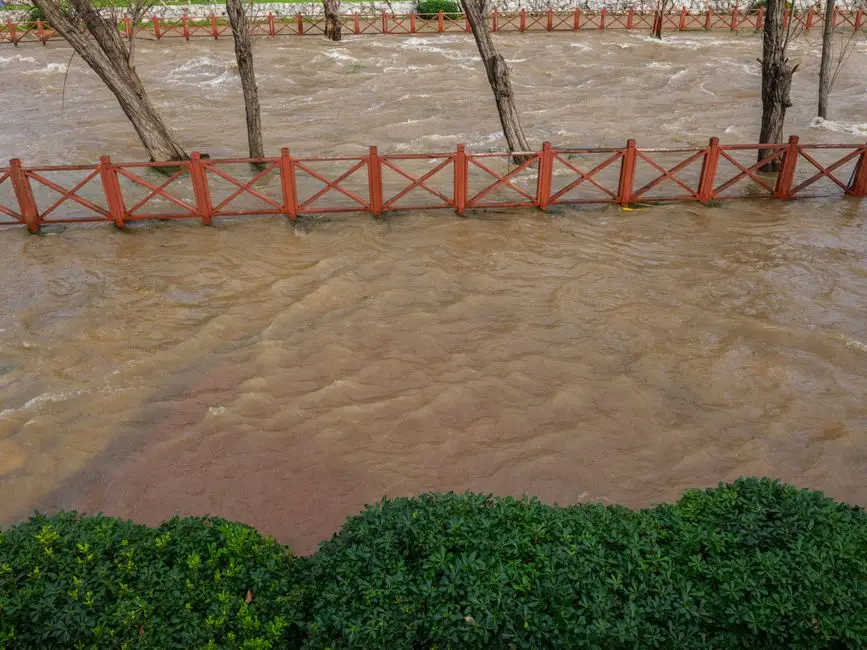
You can dry a flooded Pittsburgh basement yourself only after the power is confirmed safe, the water source is stopped, and the water is clean; remove water gradually, then use fans and a dehumidifier to dry exposed materials. If water may contain sewage, reaches electrical equipment, or is more than a few inches deep, stay out and call for help. The safest approach is to photograph the damage, remove wet contents, and keep air moving for several days while checking damp materials. The local provider at an independent provider can help Pittsburgh homeowners decide what can be handled with household equipment and what needs professional extraction or structural drying.
How to dry out a flooded basement Pittsburgh homeowners can manage is a step-by-step process, not simply a matter of running a fan. It is most effective when you address the cause, water category, and hidden moisture together. Pittsburgh's fall and winter storms can push water through foundation cracks, window wells, and overloaded drains; older basements can also hold moisture behind finished walls long after the floor looks dry.
How do I dry out my flooded basement in Pittsburgh?
To dry out a flooded basement in Pittsburgh, stop the water source, confirm electrical safety, remove standing water, discard contaminated porous materials, and run dehumidification until surfaces and cavities are dry. Start with safety, not cleanup; no basement contents are worth an electric shock or exposure to sewage.
For a small amount of clean water from a supply line or appliance, a wet/dry vacuum and household dehumidifier may be enough. The provider's water damage restoration in Pittsburgh team handles extraction and drying when the water is deep, the materials are saturated, or you cannot verify what got wet behind walls and under flooring.
Use this order of operations:
- Photograph the damage and identify the water source.
- Keep people and pets out until electrical and contamination risks are checked.
- Remove standing water and wet belongings safely.
- Open up airflow, dehumidify, and monitor materials for several days.
- Clean hard surfaces and remove materials that cannot be safely dried.
Check the water source and safety hazards first
Safety checks in a flooded Pittsburgh basement begin with electricity, sewage, and structural conditions before anyone enters the water. If water covers outlets, wiring, a furnace, or the electrical panel, do not step in or touch switches; call your utility provider or a qualified electrician to make the area safe.
Never use a gas-powered generator, pressure washer, or fuel-burning heater indoors. Carbon monoxide can build up quickly in a basement, even with a window open. If you smell gas, see a sagging ceiling, hear crackling, or notice a foundation wall bowing, leave the house and contact the appropriate emergency service.
Consider the source. Clear water from a broken supply line is different from rainwater, drain backup, or water that has crossed soil. If the water smells foul, contains debris, or came from a floor drain or sewer, treat it as contaminated. Wear waterproof gloves and boots for limited handling, but do not attempt to clean sewage with a household vacuum.
Stop the source only if you can do so safely. Turn off a leaking fixture's shutoff valve, or use the main water shutoff for a burst pipe. If stormwater keeps entering near the foundation, document the entry point and avoid digging beside the foundation during active flooding.
Remove standing water without creating new damage
Standing water removal in a Pittsburgh basement should be gradual if the basement is deeply flooded, because rapid water-level changes can place pressure on foundation walls and the floor. When the water is only a thin layer and the space is electrically safe, use a wet/dry vacuum rated for water or a small submersible pump placed on a stable surface.
Do not use an ordinary household vacuum. Empty a wet/dry vacuum outdoors into a drain approved for that discharge, and keep cords and plugs away from wet areas. If you need a pump, discharge water well away from the foundation so it does not flow straight back into the basement or into a neighboring property.
Remove waterlogged rugs, cardboard, and movable furniture as soon as the area is safe. Lift furniture onto blocks, separate items from damp walls, and take photographs before discarding damaged belongings. Bag small contaminated materials; keep children and pets away from the work area.
For several inches of water or a basement that continues to refill, a professional pump and extraction equipment can remove water more quickly without relying on repeated bucket trips. Homeowners looking for emergency water removal in Pittsburgh often need help with the first urgent stage: getting the water out and identifying what remains wet.
Dry the basement and its contents
Basement drying in Pittsburgh requires airflow and moisture removal from the room and from porous building materials; a dry-looking floor alone does not confirm the basement is dry. Open doors and windows only when outdoor conditions are drier than indoor air, and run a dehumidifier with its drain hose directed to a safe outlet.
Use fans to move air across exposed surfaces, not directly at suspected mold or dirty flood residue. Keep the dehumidifier running continuously if its instructions allow, emptying its reservoir regularly if it has no drain hose. A simple digital hygrometer helps you track indoor relative humidity; work toward roughly 30-50% after the initial wet cleanup, while avoiding excessive dryness that could damage wood.
Take out wet carpet padding, soaked insulation, and drywall that has been submerged or contaminated. Drywall that is damp only at the surface may still hold water inside its paper and wall cavity. If you cut or remove material, avoid disturbing suspected mold and wear appropriate respiratory protection; hidden utilities and pipes can sit directly behind basement walls.
Sort belongings by material. Metal, glass, and many hard plastics can be washed and dried; upholstered furniture, mattresses, and paper goods soaked by dirty water are difficult to clean safely. Move salvageable items to a dry, ventilated area, and keep air circulating around both sides of each item.
Pittsburgh's older housing stock can have stone or brick foundations, finished basement walls, and limited drainage. In neighborhoods with sloped lots, water can collect against one side of a home after heavy rain. If you see recurring seepage at the wall-floor joint, drying the room will not solve the entry problem. A functioning sump system matters; recurring failures are a reason to evaluate sump pump installation and repair in Pittsburgh after the immediate water is removed.
Common mistakes that slow basement drying
Common basement-drying mistakes in Pittsburgh include entering electrically unsafe water, closing up wet materials too soon, and assuming a fan will dry a wall cavity. Fixing these errors early limits the chance that moisture becomes a mold or odor problem.
- Turning power back on too soon: Keep affected circuits off until a qualified electrician confirms they are safe.
- Using heat instead of dehumidification: A space heater can warm the room without removing moisture, and fuel-burning heaters create a carbon monoxide hazard.
- Covering wet floors: Do not reinstall rugs or put down plastic over damp concrete; trapped moisture needs a path to evaporate.
- Cleaning contaminated water like a spill: Floodwater from drains or soil needs more than household soap and a mop.
- Ignoring the wall cavity: Water can wick behind trim and drywall, so check for swelling, soft spots, and persistent musty odors.
Do not mix bleach with ammonia, vinegar, or other cleaners. For a small area of nonporous material exposed to clean water, detergent and clean water are usually a sensible first cleaning step; follow product labels and ventilate the room.
How long does it take to dry a flooded basement in Pittsburgh?
A flooded basement in Pittsburgh often takes 3-5 days to dry after a small clean-water incident, while saturated drywall, insulation, or flooring can take a week or longer. A basement with hidden water, poor airflow, or continued seepage takes longer, and the calendar alone cannot confirm that building materials are dry.
Check more than the concrete. Press a dry paper towel against baseboards and inspect wall bottoms, stored boxes, and the edges of flooring. A moisture meter gives a better picture of wood and drywall than touch; restoration crews also measure conditions in concealed areas and compare readings over time.
Keep a simple log once or twice daily: note indoor humidity, the dehumidifier's water collected, and any new odor or discoloration. If humidity stays above 60% after several days of active drying, or you find dampness returning, the water source may still be active or moisture may be trapped behind finishes.
When to call a professional
Call a basement water damage professional in Pittsburgh when floodwater is contaminated, reaches electrical equipment, covers a large floor area, or remains in hidden materials after initial cleanup. Also call if the basement refills, drywall or insulation is soaked, the foundation shows movement, or a musty smell persists despite several days of drying.
The local provider at an independent provider can remove standing water, inspect affected materials, set drying equipment, and explain what needs removal versus what can be saved. Homeowners searching for basement water damage restoration in Pittsburgh near me should look for a crew that checks the moisture behind finishes instead of stopping at a dry surface.
Insurance coverage depends on the cause and your specific policy. Sudden internal pipe failures may be treated differently from groundwater seepage or sewer backup, and flood insurance is separate from many standard homeowners policies. Photograph the source and damage, save receipts, and contact your insurer before discarding major items if it is safe to wait.
Frequently Asked Questions
Is it safe to dry out a flooded basement yourself in Pittsburgh?
Yes, for a small amount of clean water only after electricity is confirmed safe and the source is stopped. Stay out if water reaches outlets or appliances, smells like sewage, or is more than a few inches deep. Use gloves and boots for cleanup, and never run a fuel-burning generator or heater indoors.
Does insurance cover flooded basement cleanup in Pittsburgh?
Coverage depends on your policy and what caused the flooding. A sudden burst pipe may receive different treatment from groundwater entering through a foundation, while sewer backup and floodwater often require specific coverage. Photograph damage, keep receipts, and call your insurer to confirm how your policy applies.
Who should I call for a flooded basement in Pittsburgh?
Call emergency services if anyone is in immediate danger, and contact the utility provider or an electrician if water threatens electrical equipment. For extraction and drying, call a water damage restoration company. If water is sewage-contaminated, avoid entering and request professional cleanup rather than using household tools.
How much does flooded basement cleanup cost in Pittsburgh PA?
Can I use a regular fan and dehumidifier to dry the basement?
Yes, for a small, clean-water loss after standing water is removed and electrical safety is confirmed. Run a dehumidifier and fans for at least 3-5 days, checking humidity and concealed materials. Household equipment cannot reliably dry saturated insulation, deep wall cavities, or contaminated materials.
Get help with water damage repair in Pittsburgh
If you are unsure whether your basement is safe to enter or dry, a provider can help you choose the next step. Call (855) 920-5307 for help with water damage repair in Pittsburgh.