
How to shut off your main water valve before a pipe bursts
Find your Pittsburgh home's main shutoff now, learn how to close it safely, and know what to do if a frozen pipe starts leaking.
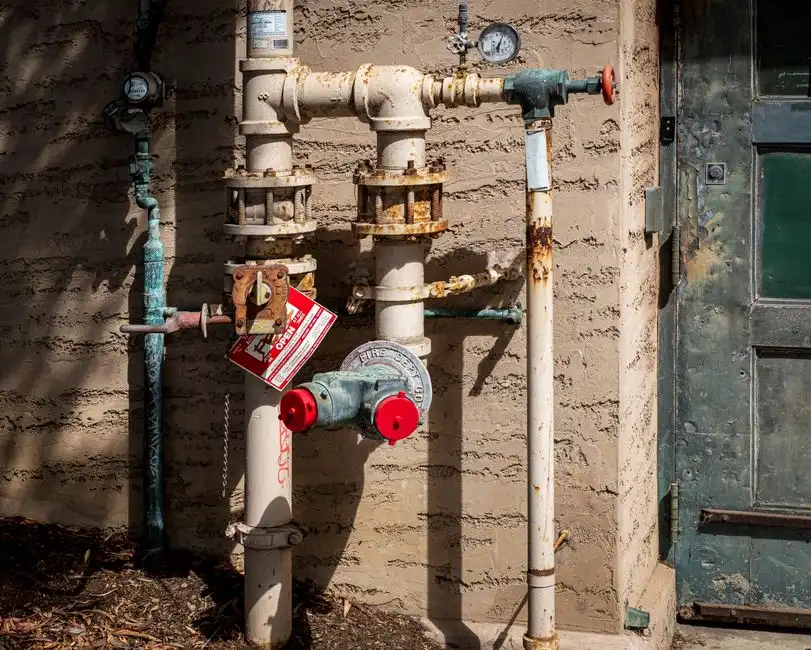
To shut off your main water valve before a pipe bursts, locate the valve where the water line enters your Pittsburgh home and turn it clockwise until it stops; for a lever handle, turn it one quarter-turn so it sits across the pipe. Find and test it before freezing weather arrives, because a cracked pipe can release gallons of water before you locate the shutoff. Knowing how to shut off your main water valve Pittsburgh homeowners rely on is a simple way to limit damage while you arrange a plumbing repair. A provider can cover where to look, how to operate the valve without forcing it, what to do during a leak, and when water damage needs professional drying.
How to shut off your main water valve Pittsburgh is a home-emergency procedure that stops incoming water when a pipe leaks, bursts, or needs plumbing work. The shutoff does not repair the pipe, but it can prevent a small leak from becoming a flooded basement or damaged ceiling.
How do you shut off your main water valve in Pittsburgh?
To shut off your main water valve in a Pittsburgh home, turn a round gate-valve handle clockwise until it stops, or rotate a lever handle 90 degrees until it crosses the pipe. Then open a cold-water faucet on a lower floor to relieve pressure and check that the flow slows to a stop.
Before an emergency, show every adult in the house where the valve is. Use a flashlight, clear boxes or stored items away, and take a phone photo so you can find the handle quickly in a dark basement. If the valve is stiff, corroded, or wet around the stem, do not force it; a broken shutoff can create another leak.
A typical main water valve is either a round wheel handle or a straight lever. A lever is open when it runs parallel with the pipe and closed when it sits perpendicular to the pipe. Wheel handles often need several turns, so keep turning gently clockwise until resistance tells you it is closed.
If you need help after water escapes, a provider can handle water damage restoration in Pittsburgh and focuses first on stopping the spread, removing standing water, and drying affected building materials. A provider may not replace a plumber: the water line itself needs a qualified plumbing repair when it has split or failed.
Where is the main water shut off valve located in Pittsburgh homes?
The main water shut off valve in a Pittsburgh home is usually near the point where the service pipe enters the building, often in a basement, utility area, or crawl space. Look along the wall facing the street, near the water meter, or close to the foundation where the incoming pipe appears.
In older Pittsburgh houses, the valve may be tucked behind a basement shelf or near a meter in a low-ceiling utility space. In a newer home, it may sit in a mechanical room or a labeled access panel. The exact location varies by layout, so trace the larger water line entering the home rather than searching beside individual sinks.
Some properties have more than one valve. The main house shutoff controls water to the building; smaller valves under sinks and behind toilets control only those fixtures. A curb stop or street-side valve is a separate utility control and should not be operated unless the water provider or emergency responders direct you to do so.
Homes in hillside neighborhoods and older areas such as Polish Hill and Lawrenceville often have basements with exposed piping, but additions and remodeled utility rooms can change the route. If you cannot identify the valve, ask a plumber to point it out during routine service. Mark it clearly once confirmed.
How to prepare for a Pittsburgh winter pipe emergency
Pittsburgh homeowners should prepare for frozen pipes before the region's November-to-winter temperature drops, especially when a water line runs through an unheated basement, crawl space, garage, or exterior wall. Knowing the valve location and keeping exposed pipes above 32°F reduces the time and risk involved in a freeze emergency.
During a cold snap, keep indoor heat at 55°F or higher even if you leave town, and open cabinet doors under sinks on exterior walls so warm room air can reach the plumbing. Insulate accessible pipes with sleeves, and seal drafts around foundation openings where cold air reaches the line. A slow drip from a vulnerable faucet can keep water moving during severe cold.
Before winter, check the valve once. Turn it only if it moves smoothly, then return it to its open position; do not use pliers or a wrench on a handle that resists. If the valve is seized, have a plumber replace or service it before you need an emergency water shut off Pittsburgh PA residents can operate safely.
For homeowners dealing with a burst line and wet walls or floors, pipe burst water damage restoration in Pittsburgh addresses the water damage after the plumbing failure. A provider can remove water and dry affected areas, while a plumber repairs or replaces the damaged pipe.
What to do if a pipe bursts
If a pipe bursts in a Pittsburgh home, close the main valve first, keep people away from electrical hazards, and call a plumber to repair the line. Once the water stops, document the damage and begin safe water removal; wet drywall, insulation, and flooring need prompt attention to limit secondary damage.
Use this order of operations if you can reach the valve without stepping into standing water:
- Turn off the main valve and open a low-level faucet to drain pressure from the plumbing.
- Shut off electricity to affected areas only from a dry location; never touch a panel or appliance while standing in water.
- Move valuables and furniture out of the wet area, and photograph the damage for your records.
- Call a plumber for the broken line, then contact a water restoration team to remove water and begin drying.
If water is near outlets, a furnace, or the electrical panel, leave the area and call emergency services or the utility provider for safe direction. Do not use a household vacuum to collect water. A wet-dry vacuum is only appropriate when the manufacturer permits it and the electrical supply is safe.
Water can travel under flooring and inside wall cavities even when the visible puddle looks small. A provider can use extraction equipment and moisture checks to find affected materials, then set drying equipment based on the wet area. A quick surface wipe alone will not dry a saturated wall bottom or subfloor.
Common mistakes when shutting off the water
The most common shutoff mistakes in Pittsburgh homes are turning the wrong valve, forcing a corroded handle, and waiting until water is already spreading to find the main. A few minutes of preparation can prevent a rushed attempt from damaging the valve or delaying the response.
- Turning a fixture valve: The small handle under a sink stops that fixture, not water to the entire home.
- Forcing a stuck valve: Excessive pressure can snap the stem or cause a leak at the packing nut. Stop if the handle will not move with gentle hand pressure.
- Assuming the valve is closed: Test by opening a faucet after you turn it. A steady stream means the valve may not have fully shut or another supply is feeding the line.
- Ignoring the meter area: A drip at the valve or meter can signal a deteriorated connection that should be checked before freezing weather.
Do not confuse the home's main shutoff with a water heater's cold-water inlet valve. Closing the heater valve will not stop a burst pipe elsewhere in the house. If you are unsure which handle controls the entire building, label the confirmed main valve with a durable tag after a plumber identifies it.
When to call a professional
Call a plumber for a split pipe, a valve that will not close, or water leaking from a supply line, and call water damage professionals when water has reached walls, ceilings, flooring, or insulation. The plumber restores the pipe; a provider can handle extraction and drying so moisture does not stay trapped in the structure.
A provider can respond to water loss by identifying affected rooms, extracting standing water, and checking moisture in materials that may not look wet. If the leak affected a basement, the provider's basement water damage restoration in Pittsburgh service can address soaked flooring, wall finishes, and stored contents. A provider can coordinate the cleanup side of the problem while you arrange the plumbing repair.
For an active leak that you cannot stop, leave the area if water is approaching electrical equipment and contact the appropriate emergency services. Once the site is safe, an independent provider can help you limit damage and plan the next restoration steps.
Frequently Asked Questions
How do I shut off my main water valve in Pittsburgh?
Turn the round handle clockwise until it stops, or rotate a lever handle 90 degrees so it sits across the pipe. Open a lower-floor cold-water faucet to release pressure and confirm that the flow stops. If the valve resists, do not force it; call a plumber to service it.
Where is the main water shut off valve located in Pittsburgh homes?
Most are near the incoming water pipe, commonly in a basement, utility room, crawl space, or beside the water meter. In older homes, storage or later renovations can hide the pipe. Trace the main line entering the foundation and ask a plumber to identify the valve if you are uncertain.
What should I do if a pipe bursts in my Pittsburgh home?
Close the main valve immediately, stay clear of water near electrical equipment, and call a plumber for the broken line. After the area is safe, photograph the damage and arrange water extraction and structural drying. Contact your insurer if needed, and keep damaged materials undisturbed until documented.
Who should I call for a burst pipe in Pittsburgh?
Call a plumber for the pipe repair and a water damage restoration company for water removal and drying. A plumber stops the leak at its source; restoration technicians address wet floors, drywall, insulation, and contents. For emergency cleanup, a provider can help assess water damage after the line is controlled.
How much does burst pipe repair cost in Pittsburgh PA?
The final amount depends on pipe material, access, damage, and labor. A plumber can price the repair after locating the break.
Get help with water damage repair in Pittsburgh
If a burst pipe has soaked your home, call to ask about a local provider for water removal and drying after the leak is controlled. Call (855) 920-5307 to speak with the local provider about water damage repair in Pittsburgh.