
Mold inspection vs mold remediation in Pittsburgh what is the difference
Mold inspection identifies where moisture and mold are present; remediation removes contaminated material and corrects the cause. Here is how to choose in Pittsburgh.
Mold inspection identifies where mold and moisture are present; mold remediation contains and removes contaminated materials, then addresses the moisture source. In Pittsburgh, the right first step depends on whether you need answers about a suspected problem or already have visible growth that requires cleanup. A provider can explain what each service covers, when testing helps, what local costs look like in 2026, and how to avoid paying for work that does not solve the underlying water issue.
Mold inspection vs mold remediation in Pittsburgh is the distinction between diagnosing a moisture-and-mold problem and carrying out the controlled cleanup. The two services can be coordinated, but they are not interchangeable. If water entered through a basement wall, roof leak, burst pipe, or backed-up drain, the repair plan also has to deal with the source and dry affected building materials.
What is the difference between mold inspection and mold remediation in Pittsburgh?
Mold inspection in Pittsburgh evaluates visible and suspected mold, moisture, and affected areas; mold remediation removes or cleans contaminated materials and controls the conditions that let mold grow. Inspection is the assessment. Remediation is the corrective work.
An inspection usually involves a visual review, moisture readings, and a discussion of the building's water history. Testing is an optional tool, not a required ingredient in every inspection. A remediation crew then sets up containment when needed, removes unsalvageable porous materials, cleans remaining surfaces, and verifies that the area is dry enough to rebuild.
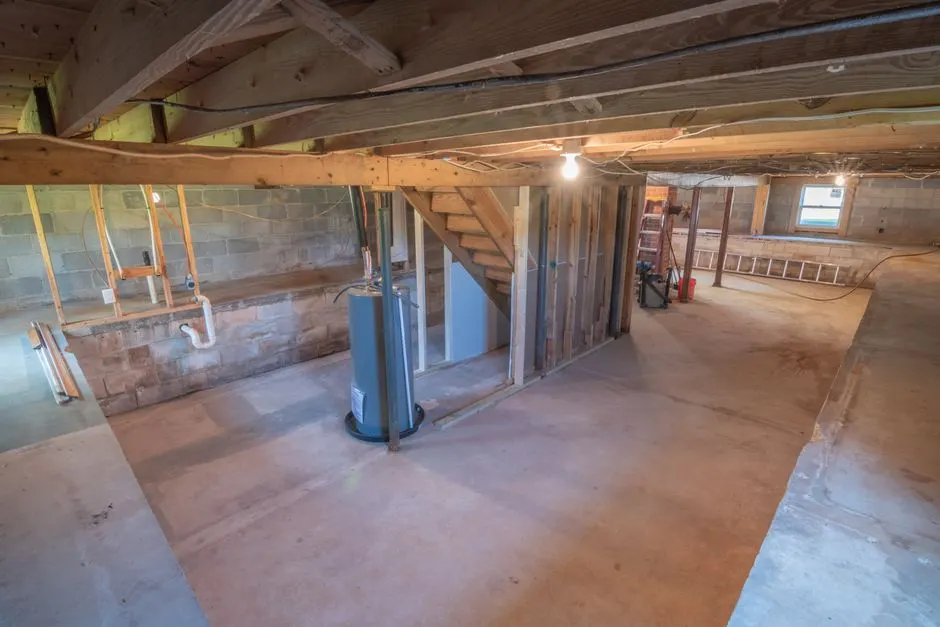
The local provider often sees the difference in a basement after heavy rain. A dark patch on a foundation wall may point to seepage, while a musty smell behind stored boxes can signal a larger damp area. A provider can start by identifying the moisture pathway, then determine whether the situation calls for assessment, cleanup, or both. For homes that have already taken on water, water damage restoration in Pittsburgh includes the broader restoration work that can prevent another round of mold growth.
One practical distinction matters: a mold test does not remove mold, and cleaning visible mold does not explain why the wall stayed wet. You need the right service for the problem in front of you.
What happens during a mold inspection in Pittsburgh?
A mold inspection in Pittsburgh checks visible growth, damp building materials, indoor humidity, and likely moisture sources before recommending next steps.
A provider can look for more than a spot of discoloration. Inspectors may use a pin or pinless moisture meter, an infrared camera to identify temperature patterns, and a hygrometer to measure relative humidity. These tools help direct the investigation, but an infrared image alone does not prove mold is present.
In older Pittsburgh houses, the inspection may include a stone or block basement, a finished lower level, and areas around plumbing penetrations. In row houses and tightly packed neighborhoods, a leak on one side of a shared wall can complicate the search. A provider can also check under sinks, around basement windows, near downspouts, and around HVAC equipment when those areas fit the reported symptoms.
Testing can involve air samples, surface samples, or both. Air sampling compares airborne spore levels from selected locations, while a surface sample checks a particular spot. Results need context: outdoor conditions, recent cleaning, open windows, and the sampling location can affect what a sample represents. If you want a focused assessment before deciding on cleanup, mold inspection and testing in Pittsburgh describes the assessment and sampling side of the work.
Testing is most useful when it answers a specific question-for example, whether mold may be present inside a wall cavity or whether cleanup appears complete. If there is obvious growth over a small area and the moisture source is known, a test may not change the work plan.
What does mold remediation include?
Mold remediation in Pittsburgh contains the affected area, removes or cleans contaminated materials, dries the structure, and corrects the moisture condition that caused growth. The work plan depends on the materials involved, the extent of contamination, and whether water is still entering.
For a contained job, a provider may isolate a work zone with plastic sheeting, use negative air equipment with HEPA filtration, and wear suitable protective equipment. A provider can remove materials that cannot be cleaned effectively, such as mold-damaged drywall or insulation, and clean salvageable surfaces with methods appropriate to the material. A provider may not treat a coat of paint as a fix.
Drying is a key part of the process. Wood framing, concrete, drywall, and insulation hold moisture differently, so the team checks the materials rather than relying on a single room-air reading. Dehumidifiers and air movers may run for several days; the actual drying period depends on how wet the assembly is and how much material needs attention. For the water-related work that often precedes mold, water damage restoration in Pittsburgh can address extraction, drying, and damaged building materials together.
After cleanup, a provider can look for remaining visible contamination and confirm the area has been cleaned and dried according to the job plan. If a wall was opened, repair and replacement follow only after the moisture problem has been corrected. This sequence matters in Pittsburgh's damp fall and winter months, when a cold basement wall can remain vulnerable to condensation if indoor humidity stays high.
Do I need mold inspection or remediation in Pittsburgh?
You need an inspection when the source, extent, or location of suspected mold is unclear; you need remediation when visible or confirmed contamination requires controlled cleanup. If mold is plainly visible and the leak or dampness is understood, an inspection and remediation plan can sometimes be handled in a coordinated visit.
Consider an inspection first if you notice recurring musty odors, unexplained staining, dampness behind furniture, or symptoms that seem worse in one room. It is also useful before buying or renovating a property if you have specific evidence of a past leak or persistent basement moisture. An inspection can map the problem without assuming every dark mark is mold.
Visible growth over a small area-often described as less than about 10 square feet in general public guidance-may be manageable with appropriate precautions, but the size alone does not settle the question. Contaminated water, HVAC involvement, hidden growth, or health concerns call for a more careful plan. If a pipe break or storm has soaked materials, stop the water source and dry the area promptly; mold can begin growing on damp materials within roughly 24-48 hours under favorable conditions.
When active water is involved, a provider can focus on stopping the damage first. In hillside neighborhoods and older basements, rainwater can enter through window wells, foundation cracks, or a sump system that cannot keep up. A basement water damage restoration in Pittsburgh plan can address the wet space that would otherwise keep feeding mold after surface cleanup.
How much do mold inspection and remediation cost in Pittsburgh?
Those ranges are planning figures, not a quote for your home. The final cost depends on the affected square footage, how much drywall or insulation must be removed, access to the area, containment needs, and whether the water source still needs repair. A small bathroom cabinet leak is a different job from mold hidden behind a finished basement wall.
For many Pittsburgh homeowners, the most expensive mistake is paying to clean a surface before repairing a roof, plumbing, drainage, or foundation leak. The problem often returns.
If you are comparing mold remediation cost Pittsburgh PA, ask what the price covers: containment, removal, cleaning, drying, and repair can be separate steps. Mold testing cost Pittsburgh PA also varies with the number and type of samples, laboratory analysis, and whether samples are taken before or after cleanup.
Common mistakes to avoid with mold
Homeowners in Pittsburgh often lose time and money by treating the visible mark without correcting the moisture problem behind it. Mold cleanup works best when it follows the water source and the affected materials, not just the surface appearance.
- Painting over growth: Paint can hide staining temporarily, but it does not remove contamination or dry the wall.
- Using bleach on every surface: A liquid treatment is not suitable for every porous material, and scrubbing can spread debris.
- Ordering tests without a question: Sampling is most useful when results will guide a decision, not as a substitute for inspection.
- Ignoring humidity: Keeping indoor relative humidity below about 60%-ideally near 30-50%-helps limit moisture conditions that support mold.
Do not seal a damp wall back up simply because the surface feels dry. A moisture meter can reveal water within a material that your hand cannot detect. Fix the leak, dry the assembly, and then complete repairs.
When to call a professional for mold in Pittsburgh
Call a mold professional in Pittsburgh when growth covers a broad area, keeps returning, affects HVAC equipment, follows contaminated water, or appears inside a wall or ceiling. You should also get help if the source is still active or you cannot safely reach the affected space.
A provider can help you sort out whether you need an inspection, mold removal near me, water extraction, or a complete remediation plan. If you have an active leak, standing water, or a wet basement, tell the provider where the water came from and how long materials have been damp; those details help the provider focus the visit. For an emergency mold remediation in Pittsburgh near me search, act promptly when water is still entering or materials remain wet, rather than waiting for a larger patch to appear.
Pittsburgh Water Damage Fix looks at the moisture source and the damaged materials together. A provider can explain the next steps plainly, whether that means testing, controlled removal, drying, or repair.
Frequently Asked Questions
What is the difference between mold inspection and mold remediation in Pittsburgh?
Mold inspection finds and assesses suspected mold and moisture; remediation contains and cleans or removes affected materials.
Do I need a mold inspection before remediation in Pittsburgh?
No, a separate inspection is not always necessary when visible growth and its moisture source are clear. An assessment is useful when mold may be hidden, the source is uncertain, or testing results will change the cleanup plan.
How much does mold inspection cost in Pittsburgh PA?
The number of rooms, samples, and laboratory analysis affects the final price.
Who should I call for mold in my Pittsburgh home?
Call a mold inspection or remediation professional if growth is widespread, recurring, hidden, or connected to a leak. For active water, contact a water damage repair team first so the source can be stopped and wet materials dried.
Does insurance cover mold remediation in Pittsburgh?
Coverage depends on your policy and what caused the mold; sudden, accidental water damage may be treated differently from long-term seepage or neglected maintenance. Call your insurer promptly, document the damage, and keep records of the water source and repairs.
Get help with water damage repair in Pittsburgh
If a leak, basement flood, or persistent dampness has led to suspected mold, an independent provider can help identify the next practical step. Call (855) 920-5307 to discuss water damage repair in Pittsburgh.